
Pricing Is an Identity Issue, Not a Math Issue
By
Elicia Crook
Give yourself the credit you deserve when considering a price increase.
When I first started massaging, I was convinced my hands were all I’d ever need. I got into this profession to help people, not to sell things, so I never had any products in my space. But when I started working at a day spa and suddenly had key performance indicators (KPIs) tied to retail sales, I’ll be honest—it felt uncomfortable.
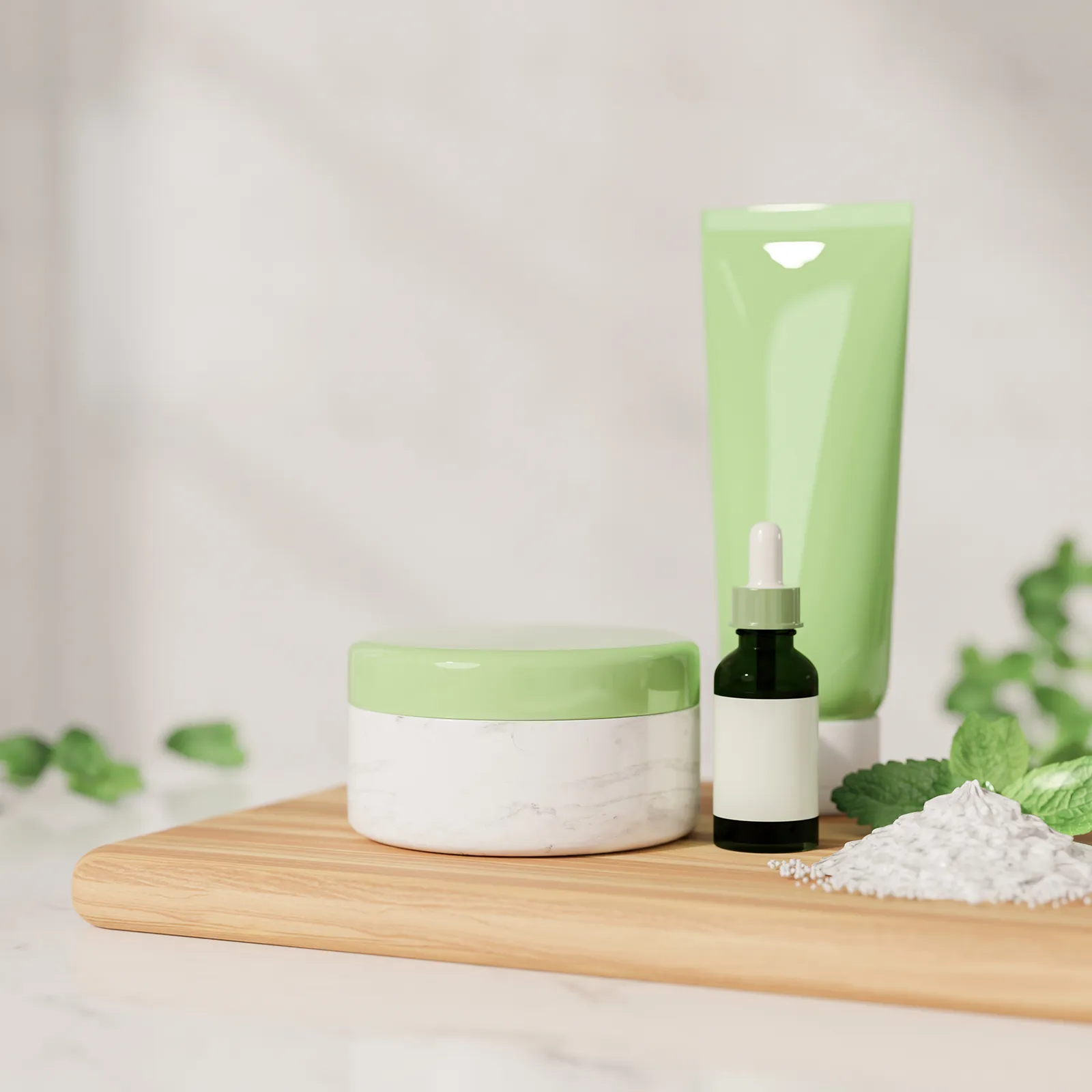
Over time, I learned more about the process, I saw the passion the spa therapists had for the range and quality of product offerings in the spa, and I experienced the results the products created, all of which changed my perspective.
Whether you’re a skeptic like I was or you’re a true fan of a product line you swear by, there are some undeniable benefits of selling retail products in your practice. Retail sales:
• Increase revenue without increasing physical output
• Protect your body
• Allow your income to grow without adding more sessions
• Can add to your clients’ therapeutic outcomes (believe it or not!)
For me, the shift was in my perception. For some reason I had always felt in the back of my mind that I was compromising my ethics if I sold products. I guess I was subconsciously influenced by all the pushy experiences I’d had with used-car-style salespeople (and I didn’t want to be like them!).
What I discovered from experience is that selling products feels awkward only when you don’t believe in what you’re offering. When a product is helpful to your client, it feels great to recommend it.
For example, when I ran my own practice with staff, we were sent a sample of a massage cream made in Australia. It looked nice enough, so I left the sample in the treatment room and told my staff they were welcome to try it. Within a week, each of them came to me separately and said, “Can we please order this? My hands have never felt better.”
That got my attention. What was in it? What did those ingredients do, and how was it helping?
When a product works, selling doesn’t feel like selling.
I made an order, and the staff started using it. Shortly after, we also stocked it for our clients to buy. We used it during treatments, especially on the neck when clients were lying on their backs. It smelled beautiful. It felt incredible. Clients loved it and asked about it every time.
It practically walked itself out the door, and my next order from the company was twice the size. That was the moment I realized something important: When a product works, selling doesn’t feel like selling.
Another example is from when I was a teenager with scoliosis and experienced significant muscle cramping, especially when lying down. I was recommended magnesium phosphate, a tissue salt that helps muscle cramps. It helped me enormously, and I still use it.
Later, after studying tissue salts during my Bowen Technique training, I saw how useful they could be to clients too, so I began recommending them to people who I felt might find them helpful. I would send clients to the pharmacy to get it, but they would come back with normal magnesium instead. Not the same thing.
I asked my clients if they would buy it from us? The answer was a clear yes. So, we stocked a cream and the tissue salt tablets. Both sold well because they were easy to recommend to the right clients, and they felt the benefits just as I did. So we added more retail items and had success selling those too.
If you are considering selling products, you can use the same strategy. Think about what you use between sessions. What do you do when your hands are sore? When you’re feeling flat? When you want to recover from a workout?
Start with one or two products you already love, because you’ll already know a lot about them and can easily and naturally recommend them when appropriate. Reach out to the manufacturer to see if you can get a wholesale rate to purchase. Often, companies will have information about this, or you may find wholesale catalogs that let you order a range of products in bulk at lower prices.
When you get the product, display it nicely near the reception area. Make it look attractive so people will notice it when they’re in the waiting room or as they check out. Put the pricing on it clearly so clients don’t have to ask. You might also include a pamphlet with photos and extra information to help explain the benefits. Sometimes the supplier will provide these for you, or you can make one with a basic design program with your logo on it. Printed material like this can be especially important if you’re selling higher-priced items because it gives your clients something more solid to connect with.
Also, remember that products on a shelf alone will not sell much, no matter how beautiful they look; the secret is being able to personally recommend any of the products you offer. The mantra I was taught at the day spa was “Don’t sell—recommend!”
In other words, be crystal clear about what each product does and how it benefits clients. For creams or supplements, you should also learn and memorize the key ingredients so you can help clients understand why they’re effective. Then, when a client comes in with a condition or issue that you know a product can help with, you can recommend it with integrity and in a way that feels natural.
If it’s a cream or other topical application, you can use it during sessions if that’s advisable (you can usually buy a larger container with a pump pack so it’s easier and more affordable for clinic use). Then, when the client comes out of their massage, show them the product and tell them you used it in their session and that it can help between sessions.
The vital moment comes when you’re at reception and they’re about to pay for their treatment. You can say something like, “Would you like to grab a bottle of that cream I recommended?” as you hand them one to hold. If they say yes, then great! Smile and add the products to their total, confident they now have a good product that you’ve been able to supply them with. And if they aren’t keen in that moment, pass them a pamphlet and let them take that instead. If it still applies at the next session, you can talk about it again.
Think about product sales like this: If your treatment is 60 minutes long, what supports your client for the other 10,020 minutes of their week? What if products can extend your care beyond the treatment room? Most people with issues are already trying other products or solutions during that time, so why shouldn’t they buy them from you? When you genuinely use a product and have experienced the benefits yourself, and when you understand how it supports your client’s outcomes, then it’s not “sales,” it’s care.
When clients feel supported, they don’t feel pressured. Supplying products that work can be seen as part of professional care, not just commerce. The difference is intention. Because sometimes the right product in the right hands can make your session last far beyond the hour on the table.
I remembered the experience I'd had selling massage cream and tissue salt tablets earlier in my career at the day spa. They’d sold a lot of different products, and here I was with a shelf of only two. We started adding to the shelf, but only things we as a team used or found helpful for treatment, which included:
• A homeopathic anti-inflammatory for clients who could not take nonsteroidal anti-inflammatory drugs (NSAIDs)
• A vegan, pea-based protein powder
• Books on topics like health, pregnancy, parenting, and well-being (only ones we had read and could recommend)
• Locally made wheat bags
• Magnesium phosphate tissue salts
• Homeopathic drops to aid relaxation
• The original massage cream we loved (it remained a great seller)
Give yourself the credit you deserve when considering a price increase.
Through ABMP, members now have access to a streamlined, modern solution designed to help clients find and choose you more easily.
Receiving bodywork provides an important reminder of what to do (and what not to do) in your practice.
Taking on too much can be a natural instinct. Reining in your over-functioning process can help you find your flow.