

Fascia: The Pericardium-Diaphragm Connection
Understanding how the pericardium relates to breathing can in turn help clients relax into their massage session.
The longissimus is one of several muscles on the back that run parallel to the spine. It is one of three muscles that form the erector spinae group. The iliocostalis and spinalis are also part of this group, which spans the entire posterior trunk from the sacrum to the base of the skull. The longissimus lies between the medially oriented spinalis and laterally oriented iliocostalis and is the largest and longest of the three erector spinae muscles, connecting the sacrum to the skull. The erector spinae group lies deep to the trapezius, latissimus dorsi, rhomboid major and minor, serratus posterior superior and inferior, and splenius capitis and cervicis.
The longissimus muscle is divided into three overlapping segments. The largest of the three segments, the longissimus thoracis, originates at the base of the spine, blends with the thoracolumbar fascia, then extends upward and laterally to the thoracic transverse processes and posterior surfaces of the lower nine ribs. Moving superiorly, the longissimus cervicis begins slightly medial to the insertion of the longissimus thoracis, at the transverse processes of T1–5, and extends to the transverse processes of C2–6. The third segment, the longissimus capitis, lies superficial to the longissimus cervicis. It begins at the transverse processes of T1–5 and articular processes of C4–7 and inserts on the mastoid process of the temporal bone, deep to the splenius capitis and sternocleidomastoid.
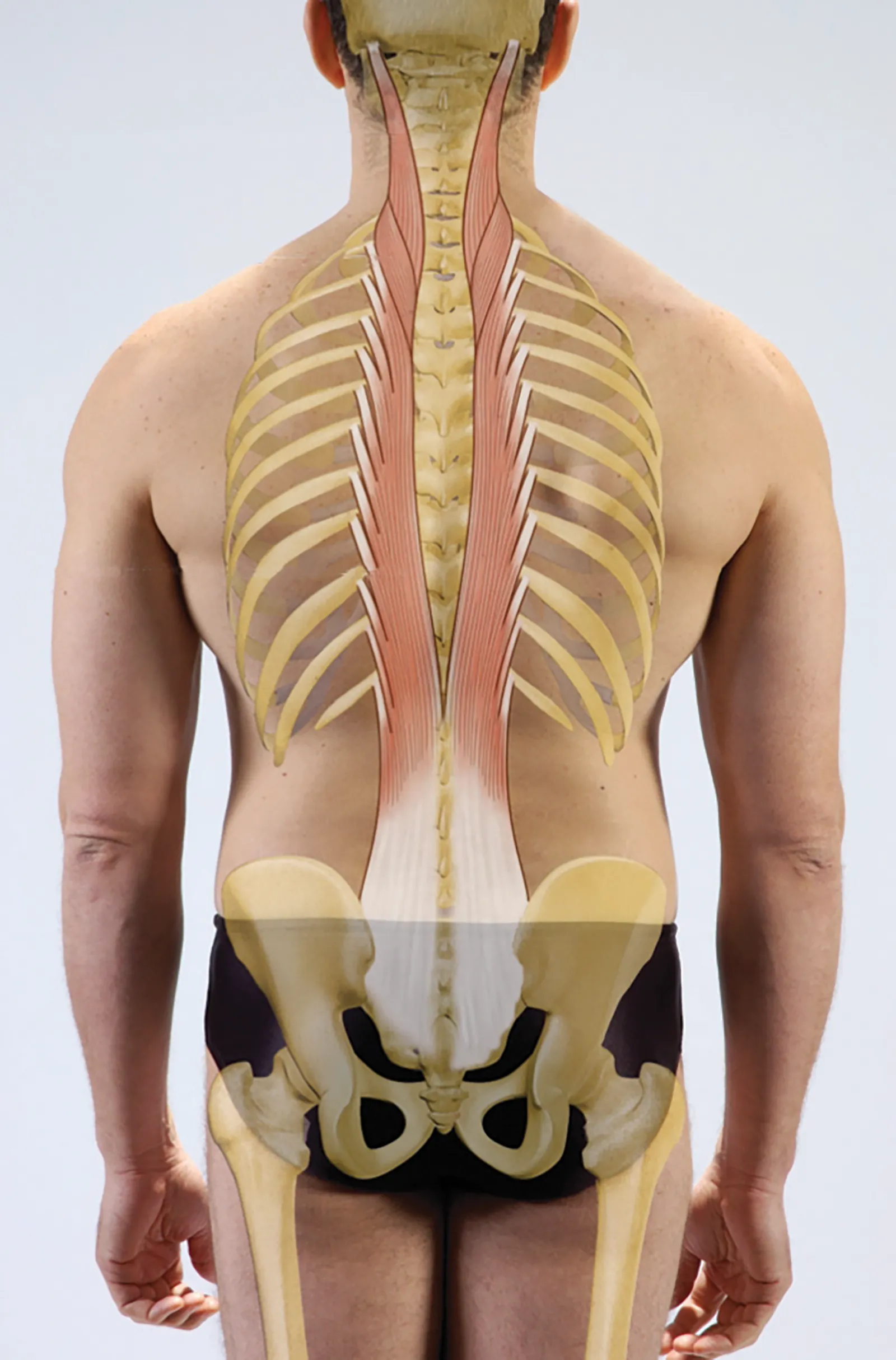
As a group, the erector spinae muscles connect, stabilize, and allow for broad movements of the vertebral column. They work synergistically with the deeper transversospinalis group to maintain upright posture against gravity. The smaller, more diagonally oriented rotatores and multifidi muscles of the transversospinalis group maintain alignment and position individual vertebra while the larger, more vertically oriented erector spinae muscles provide gross movement and support of the entire spinal column. The fibers of the longissimus are vertically oriented, making it a strong extender and weak lateral flexor of the spine. It also stabilizes and rotates the head and neck by pulling the mastoid process posteriorly and inferiorly toward the spine.
Dysfunction and pain in the longissimus occurs with improper lifting mechanics, stooped posture, and hyperlordosis. Poor activation of the deeper transversospinalis muscles may also create compensation and overactivation of the erector spinae muscles. The erector spinae group should be fully relaxed when the spine is properly aligned during sitting or standing. Postural deviations such as forward head, thoracic kyphosis, or excessive lumbar lordosis will force these muscles to remain active and can lead to overuse, fascial adhesions, and trigger points which refer pain into the low back and buttock (the longissimus thoracis) or into the neck, below or behind the ear, and behind the eye (the longissimus cervicis and capitis).
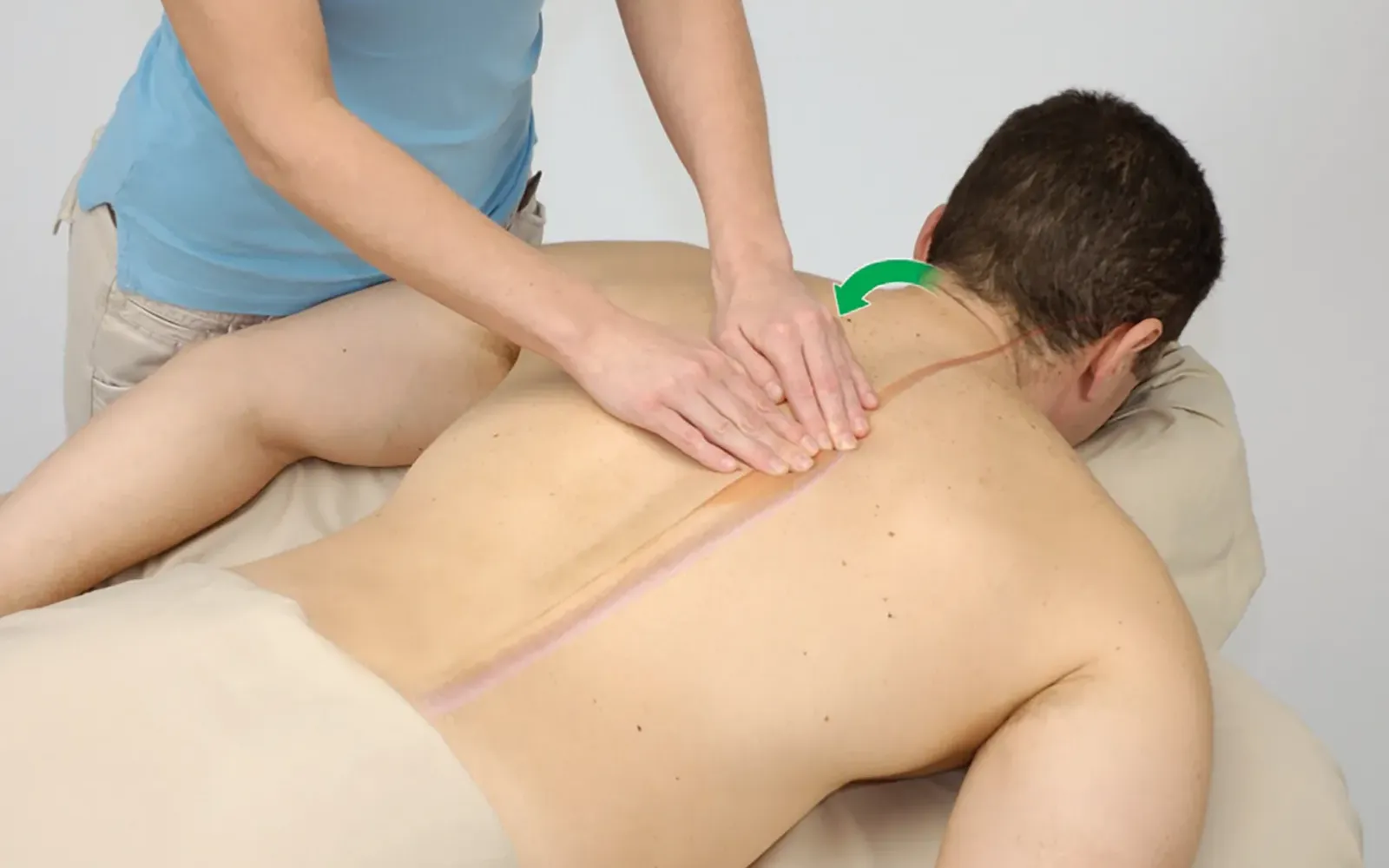
Positioning: client prone.
Finding Proper Alignment
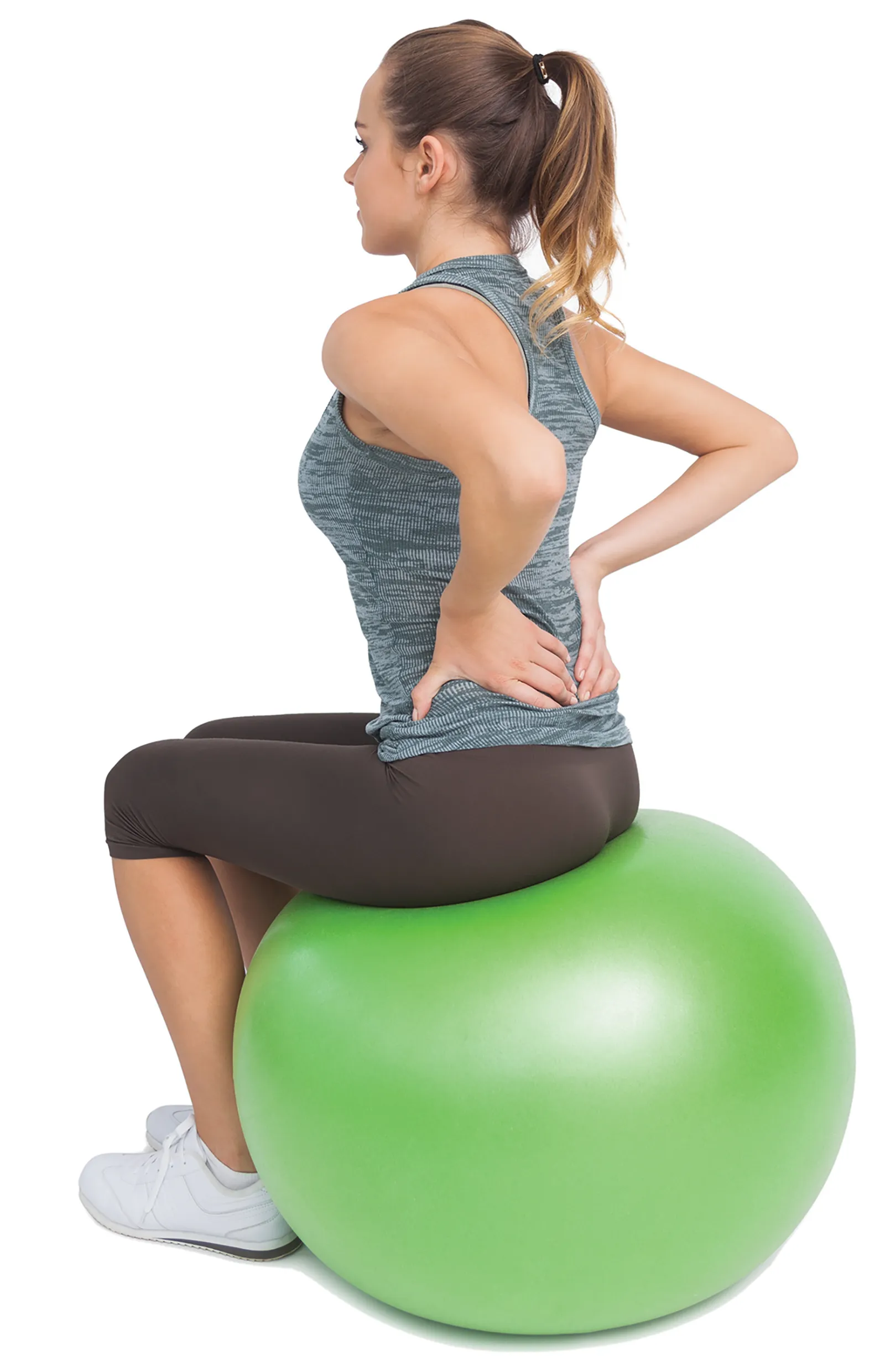
Editor’s note: The Client Homework element in Functional Anatomy is intended as a take-home resource for clients experiencing issues with the profiled muscle. The stretches identified in Functional Anatomy should not be performed within massage sessions or progressed by massage therapists, in order to comply with state laws and maintain scope of practice.
Understanding how the pericardium relates to breathing can in turn help clients relax into their massage session.
Superficial fascia may not get the same attention as deep fascia, but it plays an extremely important role in the organization of tissues and the structure of the body.
Understanding tendons—their shapes, lengths, and organization—improves an MT’s touch vocabulary and facilitates a more skilled touch.
While the neck is a bridge, a pathway, the position of the neck and head can also indicate a multitude of other things happening beneath the surface.