


Fascia: The Pericardium-Diaphragm Connection
Understanding how the pericardium relates to breathing can in turn help clients relax into their massage session.
The pectineus is part of the hip adductor group, joining the adductor brevis, the adductor longus, and the adductor magnus, as well as the gracilis, in pulling the thigh in toward the midline (hip adduction). These muscles connect the inferior, medial pelvic girdle to the femur.
The pectineus is the smallest of the adductor muscles, and its fibers slope inferiorly and laterally between the superior ramus of the pubis and the posterior, proximal end of the femur. Because it is located within the femoral triangle, this muscle can be challenging to palpate and treat.
Functionally, the pectineus pulls the femur in and forward. This motion helps position the lower extremity for heel strike during gait and pulls the leg forward during kicking motions. These activities occur with the foot free. When the foot is planted, the function of the pectineus differs: it helps stabilize the pelvis over the femur. Without it and the other adductors, the pelvis would shift medially over the knee, compromising stability and alignment in the lower extremity.
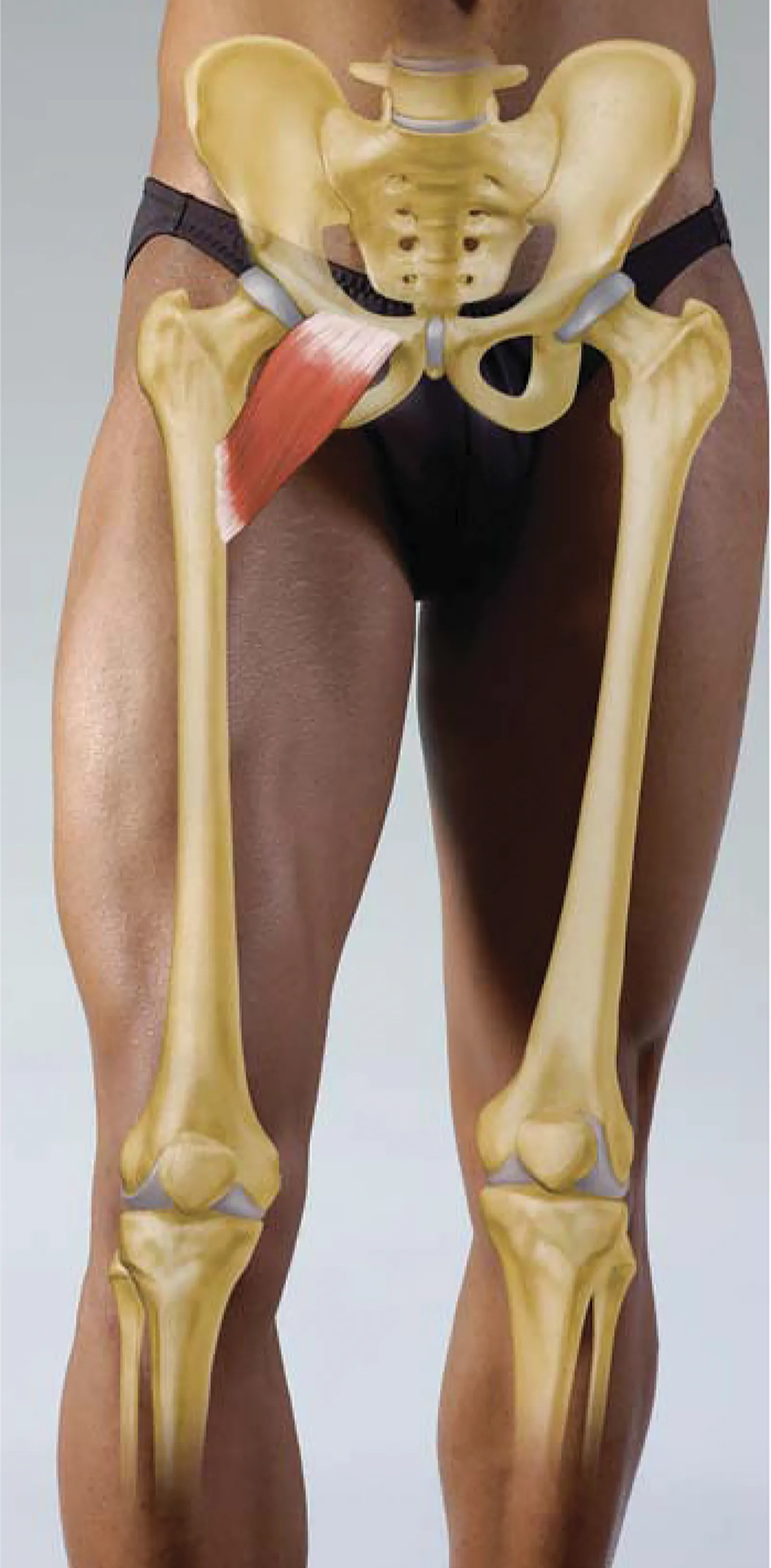
The role of the pectineus and the other adductors also changes with the position of the femur. When the hip is flexed and the femur forward, the adductor magnus joins the gluteus maximus, the gluteus medius, and the hamstring group to extend the hip in pulling the pelvis forward over the foot. During this activity, the adductor muscles stabilize the hip and help keep the body aligned over the leg when bearing weight. When the hip is extended and the femur back, the adductor longus, the adductor brevis, and the pectineus join the other hip flexors in swinging the leg forward. They also oppose abduction by the gluteus medius, maintaining position of the swinging leg in the sagittal plane. This alternating function also occurs during walking or running.
Shortening of the pectineus may occur with prolonged sitting, pulling the pelvis into an anteriorly rotated position upon standing. This postural deviation contributes to lumbar lordosis and sacroiliac joint dysfunction. Assess muscle length and tone in all hip flexors including the psoas, the iliacus, and the rectus femoris, as well as the anterior-oriented adductors (the adductor longus, the adductor brevis, and the pectineus) in clients with anterior pelvic tilt.
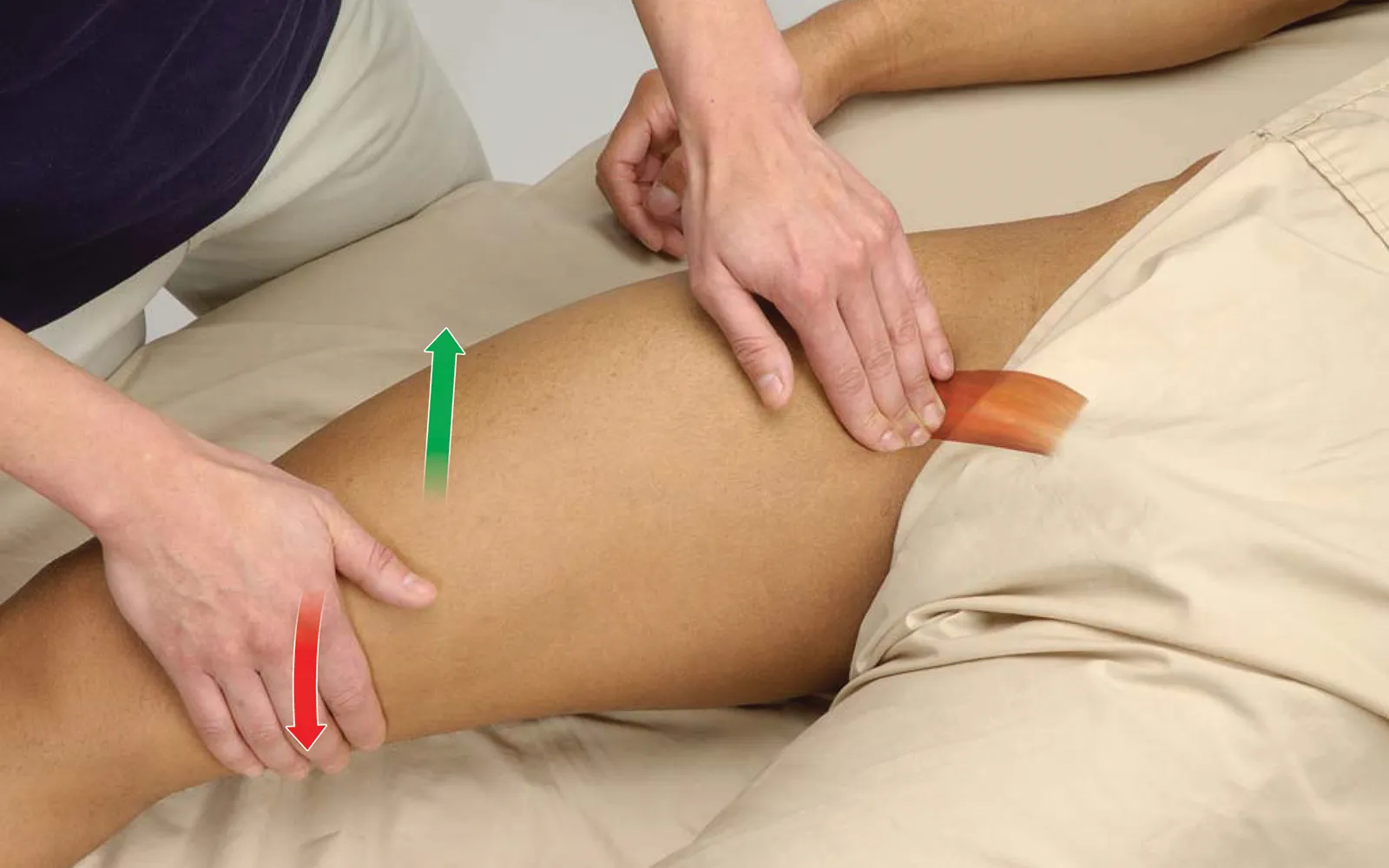
Positioning: client supine.
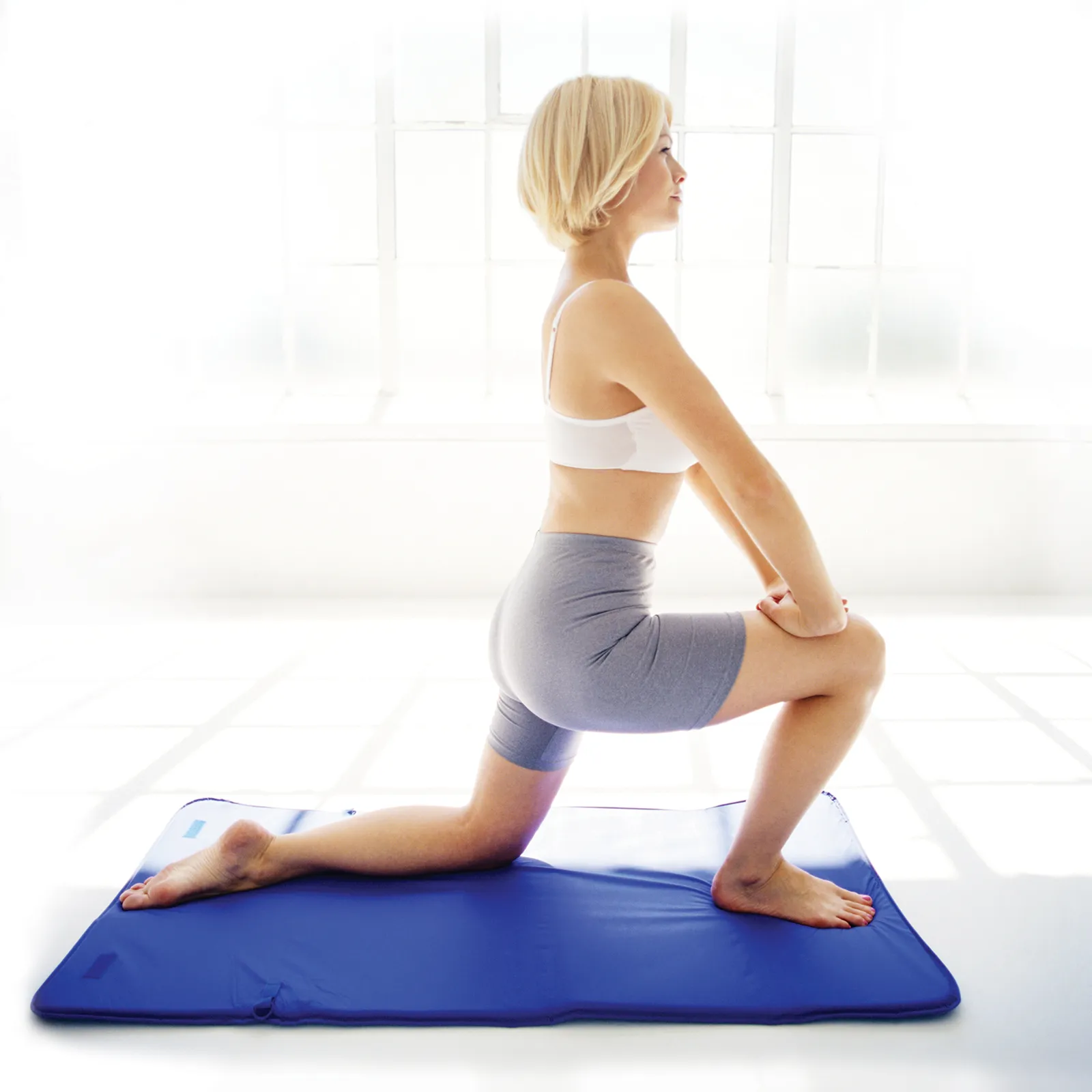
Editor’s note: The Client Homework element in Functional Anatomy is intended as a take-home resource for clients experiencing issues with the profiled muscle. The stretches identified in Functional Anatomy should not be performed within massage sessions or progressed by massage therapists, in order to comply with state laws and maintain scope of practice.
Understanding how the pericardium relates to breathing can in turn help clients relax into their massage session.
Superficial fascia may not get the same attention as deep fascia, but it plays an extremely important role in the organization of tissues and the structure of the body.
Understanding tendons—their shapes, lengths, and organization—improves an MT’s touch vocabulary and facilitates a more skilled touch.
While the neck is a bridge, a pathway, the position of the neck and head can also indicate a multitude of other things happening beneath the surface.