

Pricing Is an Identity Issue, Not a Math Issue
By
Elicia Crook
Give yourself the credit you deserve when considering a price increase.
Cultivating a massage business at the far end of the Earth isn't easy. In fact, sometimes it can be downright hazardous—like when the occasional dead whale washes ashore and residents are alerted to be on the lookout for hungry polar bears.
Things like this happen where Mark White runs his home-based practice, Ohana Massage—in the remote community of Barrow, the northernmost town in the United States, at the far northern tip of Alaska. White says there's something special about being an MT in this tight-knit community.
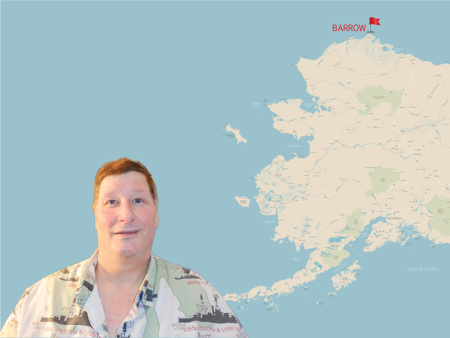
As a resident of this town of just over 4,000 people—many of whom are of Inupiaq descent—White says it's important for him to be respectful of cultural issues. With that in mind, White is considering holding a local contest to pick a new name and logo for his arctic massage practice, as Ohana (meaning "family" or "home") is Hawaiian and White wants to ensure his practice will be culturally sensitive to the town's native residents.
With all the challenges that come with running a massage business north of the Arctic Circle, it's not surprising that White's thoughts on what has made him successful over 16 years of practicing massage can be summed up in one word: resilience.
Give yourself the credit you deserve when considering a price increase.
Selling products can help support client outcomes even after they leave your treatment room and can provide a profit boost for your practice.
Through ABMP, members now have access to a streamlined, modern solution designed to help clients find and choose you more easily.
Receiving bodywork provides an important reminder of what to do (and what not to do) in your practice.