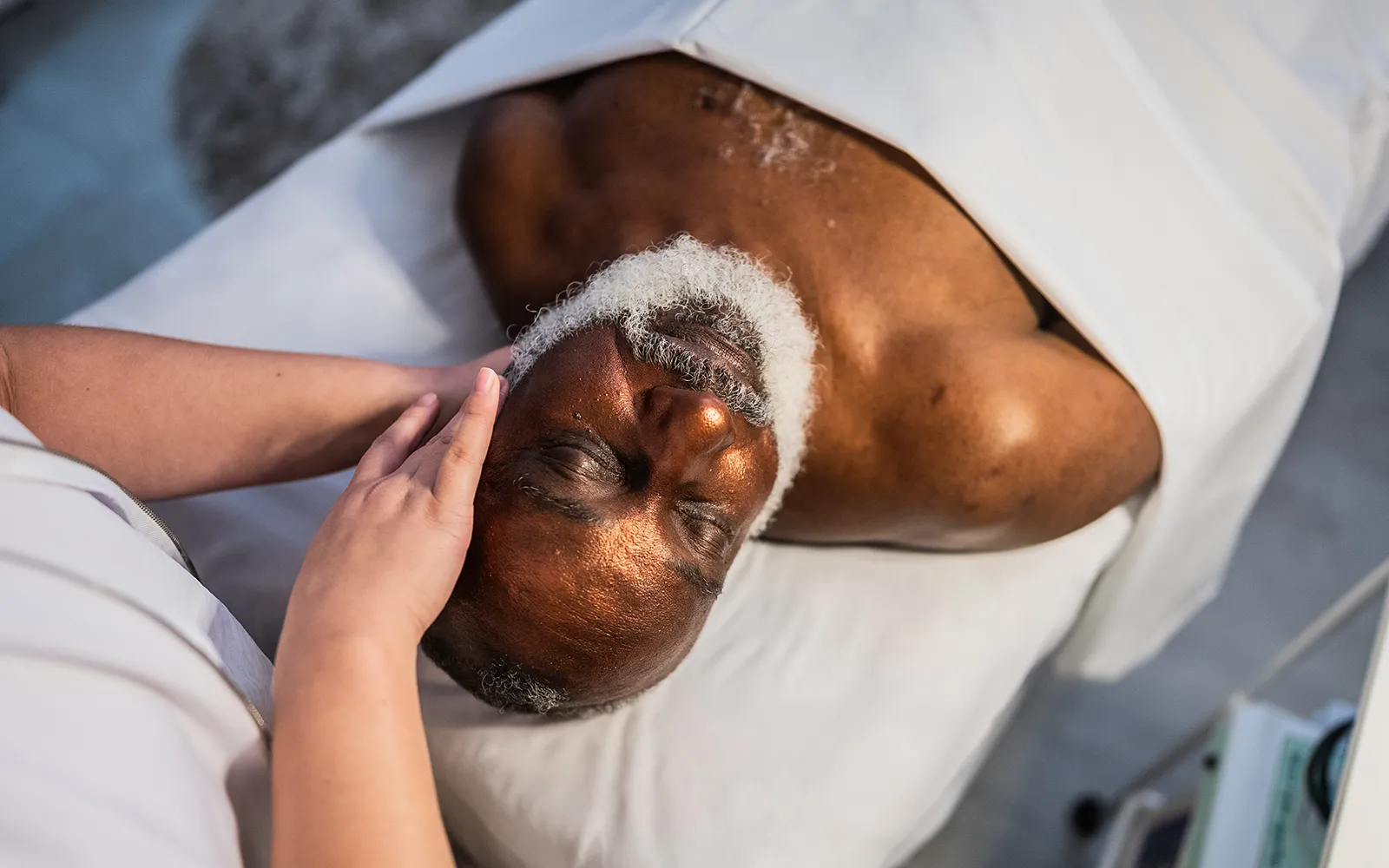
We often think of a client-therapist relationship as a one-on-one, isolated exchange within the context of massage therapy sessions. A massage therapist may serve a client one time only, like in a spa setting, or multiple times as an ongoing appointment at regular intervals. For the most part, however, “going to get a massage” is presumed to involve two people—the client and the therapist.
Getty Images.
But there are many situations in which a client receives care from multiple professionals, and communication between those professionals can be extremely important. Often, someone living with a terminal illness will have a team of specialists working together, each bringing their area of expertise. As each specialist contributes vital input into a client’s care, the specialists often work together to navigate the best path for that client. Without sufficient communication, though, the prescription of one professional may counteract the intended outcomes of another professional serving the same client.
Dive In
Learn more about working with aging clients at the ABMP CE Summit, May 12.
A segment of our population that’s often overlooked when evaluating the importance of a complete care team is seniors. If you’re interested in working with this population as part of a larger care team, you may want to start by asking yourself the following basic questions.
Do I Have the Skills to Responsibly Offer This Modality?
Your first step should always be to ensure your massage methods are doing the most amount of good for your elderly clients and not creating issues that may harm them.
How Much Do I Want to Work?
Perhaps you see yourself working full time or part time with an established entity or maybe on an on-call basis with individual clients.
Where Do I Want to Work?
You may prefer working at a retirement facility, skilled nursing unit, rehabilitation center, hospital, memory care establishment, senior center, board and care home, or active senior apartment. The possibilities are endless.
Ensure a Big-Picture Intake
If you answered the previous questions and are still curious, here are some unique considerations for working with this population and communicating with their care teams.
Today’s senior demographic is comprised of a wider variety of physical, mental, and functional activity levels than ever before. Within the crucial medical intake assessment performed with each new client, a massage therapist must navigate through these levels of abilities of their client in order to map a plan of action suitable for their sessions. For our elderly population, there is an additional category of “emotional tendencies” that should be examined closely to provide respect for the feelings of frustration, loss, and/or fear often associated with older clients.
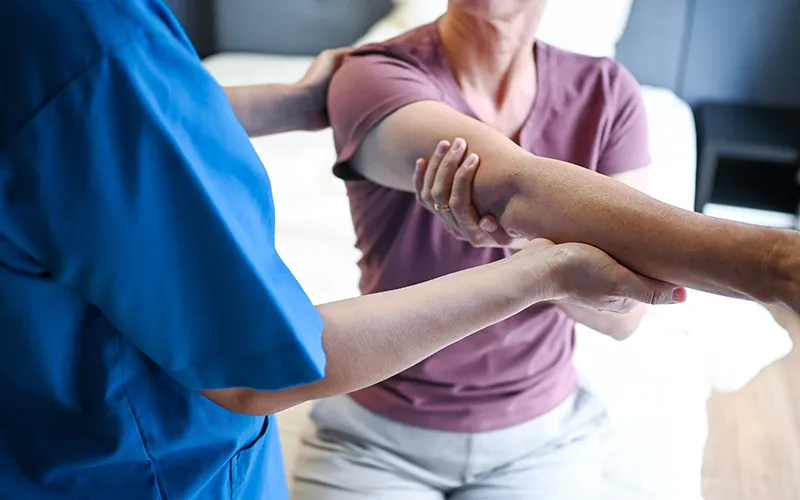
Caring for elderly clients, then, requires the massage therapist to have a keen awareness, not only of the characteristics unique to the client but also of the various members of the client’s care team. This team includes, but is not limited to, family members, personal caregivers, treating doctors, facility staff (nurse stations and resident assistants), and even an associate of the client who has power of attorney or medical directive responsibilities.
Getty Images.
Knowing what to ask during client intake and how to communicate to a larger group of caregivers is essential, especially for massage therapists and bodyworkers working with senior clients. It’s important for practitioners who take on a new senior client to discover and fully discuss the various members of the client’s care team so that safe and effective massage techniques are used during their sessions and so we can minimize risk responsibly. This may require a signed document from a client’s doctor or family member acknowledging and/or agreeing to the treatment plan. The extra step of seeing that these documents are processed is crucial to safe and effective massage and well worth the few moments it takes to accomplish the task.
Take a Whole-Person Approach to Health
Even within the maze of medical insurance plans and prescription benefits, an elderly person may be pursuing different avenues of conflicting therapies or counteracting medications simply because they are seeing multiple specialists for multiple conditions.
Many medical coverage plans have, for a long time, had their network of doctors and patient records connected by a main computer server, helping to instill more of a care team structure and ensure a more comprehensive care plan for their patients. Now, with the advent of further centralizing medical records through networks such as MyChart or other interactive patient care (IPC) systems, a greater awareness is evolving of this importance of treating the “whole person,” taking into consideration their full health picture and protocol before trying a new medication or method of treatment.
Marketing your services to this population requires understanding where they congregate in your community and their level of tech savvy.
As we embrace the idea of being open to different methods of healing and creating well-being in our lives, we begin to realize that each chosen method is an integral part of a holistic approach to our overall health and happiness. And, as we embrace the marrying of Western medicine practices with Eastern healing modalities, we realize that all the elements of our overall plan can—and do—work with each other as part of a larger picture.
So, how do massage therapy sessions figure into this network of shared information? If a massage therapist is not offering treatment as part of an established medical plan or doctor group, and is not part of any documented insurance claims, it is even more important for the massage therapist to understand the importance of reaching out and establishing contact with their client’s medical team or, at the very least, the client’s treating physician regarding the safety of including massage as one of their therapies.
Sharing the work you’re doing and communicating with the larger group of professionals attending to the client creates a more thoughtful, integrative team. Massage therapists can take on a crucial role as part of a client’s health-care team, all working together to bring to the client the best state of health they can enjoy.
Connecting Through Marketing
If you’re not currently serving this population in your practice, how do you get started? Let’s break this down into three easy-to-understand marketing steps and adapt them for a target audience of older clients: laying the foundation, gathering your tools, and breaking ground.
1. Laying the Foundation
In the same way an architect organizes ideas and structures a plan, this step involves getting specific about your preferences. Dream a little and see where it takes you!
Brainstorm about your brand image and how you want to present it to others. In this step, organize your thoughts about a logo design, a mission statement or plan of purpose, and ways to reach out and present what you are offering to others. These tools can quickly develop your vision for your business into concrete methods of inspiring interest in what you offer.
2. Gathering Your Tools
For a generation of clients who grew up without the internet, it’s helpful to think of marketing materials as physical and simple. A business card is a concise, handy way for people to reach you by phone, email, or website. A brochure is handy for sharing details about your services, philosophy of business, and passion for what you do. A flyer is an easy way to give details specific to a certain place or date you will provide massage to a community.
A simple, clean website can be a great way to point folks in the right direction to either learn more about what you provide or give them a variety of ways to contact you, all in one convenient place.
3. Breaking Ground
This step is the art of simply opening a conversation with potential clients and their caregivers. There are many ways to reach out to potential clients, their families, the places they congregate, or the places they live.
Call your local Council on Aging and ask how you can network together.
Call a few senior-assistance organizations and pursue a way to help each other in a common goal.
Reach out to your local city or county offices to ask about free classes they offer and networking events they organize to promote small businesses in their communities.
Attend a chamber of commerce meeting, a city council meeting, or a variety of patient support groups and talk with others in attendance or one of the meeting coordinators.
Visit with a retirement community or assisted-living facility’s wellness director or activities director to discuss the best way for you to provide massage therapy to their community.
It’s surprising how just “showing up” can spark all kinds of connections that can benefit both your business and the goals of the groups you encounter.
Meaningful Work
Being part of a larger care team for elderly clients can be an incredibly rewarding experience, both for the results you can bring your clients and for what you can learn from other professionals as you join in support.
To understand tissue-tension barriers, MTs must be constantly present and mindful. Too light and we will not become efficient at creating the healing change that is needed.