Seeing the smile on her face, I knew exactly what the physical therapist was thinking. We were both watching our shared client/patient walk across the hall, moving with a fluidity that two weeks earlier seemed impossible. He no longer needed someone holding onto his gait belt for stabilization. This shared smile acknowledged a delightful moment of celebration in which we both played a small role. Much more improvement to come, but we were well underway.
Unsplash.
Meeting Our New Client
The client we were observing presented to my office about a month earlier, having been referred by his physician and multiple friends. A few weeks earlier, he suffered a stroke affecting the right side of his brain and, therefore, the left side of his body. He had an excellent medical team in place, and his family and friends had rallied to help, creating an impressive support team. One of the family members accompanied him to our first appointment.
Fortunately, this stroke primarily affected his sensory information, not his motor function. His muscles functioned at full strength, but his sensory perception was altered and controlled movement was difficult. One very big advantage was his history of athletic exploits, accomplishments, and discipline. Multiple triathlons, marathons, and a long history of biking long distances would serve him well during the recovery process. He brought all that discipline into a difficult recovery journey that would severely test anyone’s resolve.
Our First Session: The Test
His major concern was the confusing physical sensations he experienced. As his brain recovered, he felt a plethora of sensations on his left side, but tightness of his left upper quadrant, lack of control of his left hand, and a sense of restriction in his left ankle were most distressing.
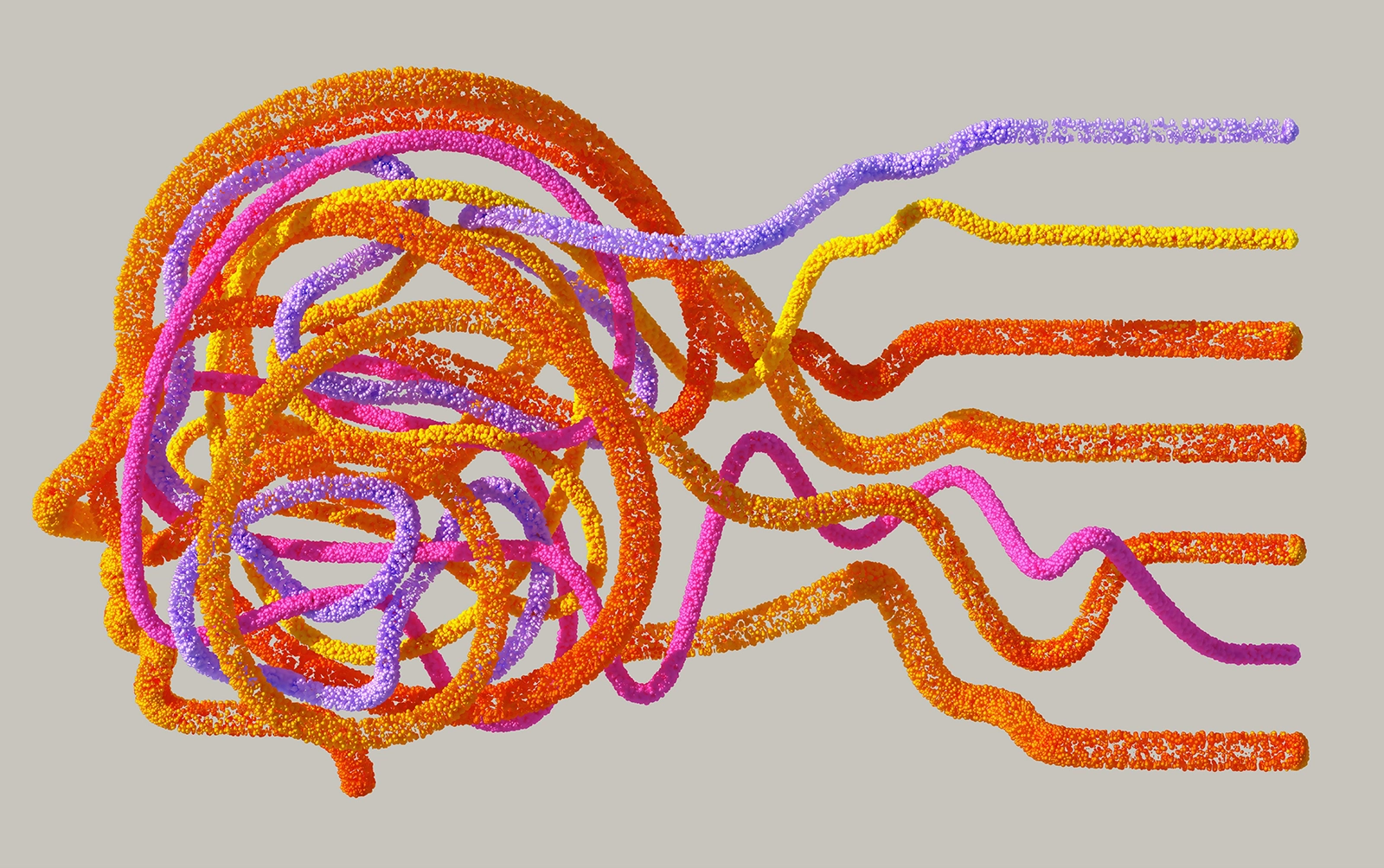
Before we began hands-on work, I took the time to explain that the way his brain received and processed sensory perception was disturbed by the stroke. In a way, we needed to update the “software,” helping his brain reinterpret the confusing signals it received. The process would take time and have its share of struggles, but the chances of success were quite high. I wanted him to know that this wasn’t simply optimism, but rather that he had several factors in his favor that increased my confidence. We had a very connected conversation, and it became abundantly clear that he was both brilliant and deeply insightful and that working with him would be a very special experience.
It was vitally important for his brain to compare and contrast the sensations from the affected side with the sensations from the unaffected side of his body.
We began the session by addressing his left upper trapezius, anterior shoulder, and chest, which he found extremely beneficial. Spending a few minutes there, I switched to treating the right side, replicating the work done on the left. It was vitally important for his brain to compare and contrast the sensations from the affected side with the sensations from the unaffected side of his body. Returning to the left side once again gave him another opportunity to process the sensations he felt and let his brain reacclimate.
The left hand was an area of concern, as he had multiple sensations that were strange and uncomfortable. At one point, I began massaging each finger and had him watch the process to merge the tactile information with visual input. I would then have him close his eyes to receive only tactile information, then watch again to add visual input to the tactile experience. Massaging up the arm followed the hand treatment, tracing back up to the anterior shoulder area once again.
Moving to the left foot, I began addressing the retinacular area in the anterior ankle, an area of tension he felt made walking very difficult. Moving to the toes, he had difficulty discriminating which toe was being touched. Using that as a springboard, we had his head elevated so his foot was clearly visible. With his eyes closed, I would massage a toe, then ask him to identify which one I was touching, much like we did with his fingers. Opening his eyes, he would check his answer, then watch the toe being massaged to feel and identify the sensation. We did this for several minutes, until it was mentally fatiguing and his accuracy started to wane.
The Process of Recovery
Subsequent sessions, which were twice weekly, followed a similar protocol. As I mentioned, a family member attended each session, observing all that was done. This person also replicated the massage practice daily, working on his hand, shoulder, leg, and foot. Because of that consistent work, the progress made was substantial. His brain was flooded with tactile stimuli, and his brain reintegrated sensation and improved function.
During this week’s session, his improvement was obvious, and he began setting ambitious goals for the future. The first: walking the Camino de Santiago in Spain; second, since he and I are both cyclists, we made a date to do a ride together next summer.
To understand tissue-tension barriers, MTs must be constantly present and mindful. Too light and we will not become efficient at creating the healing change that is needed.