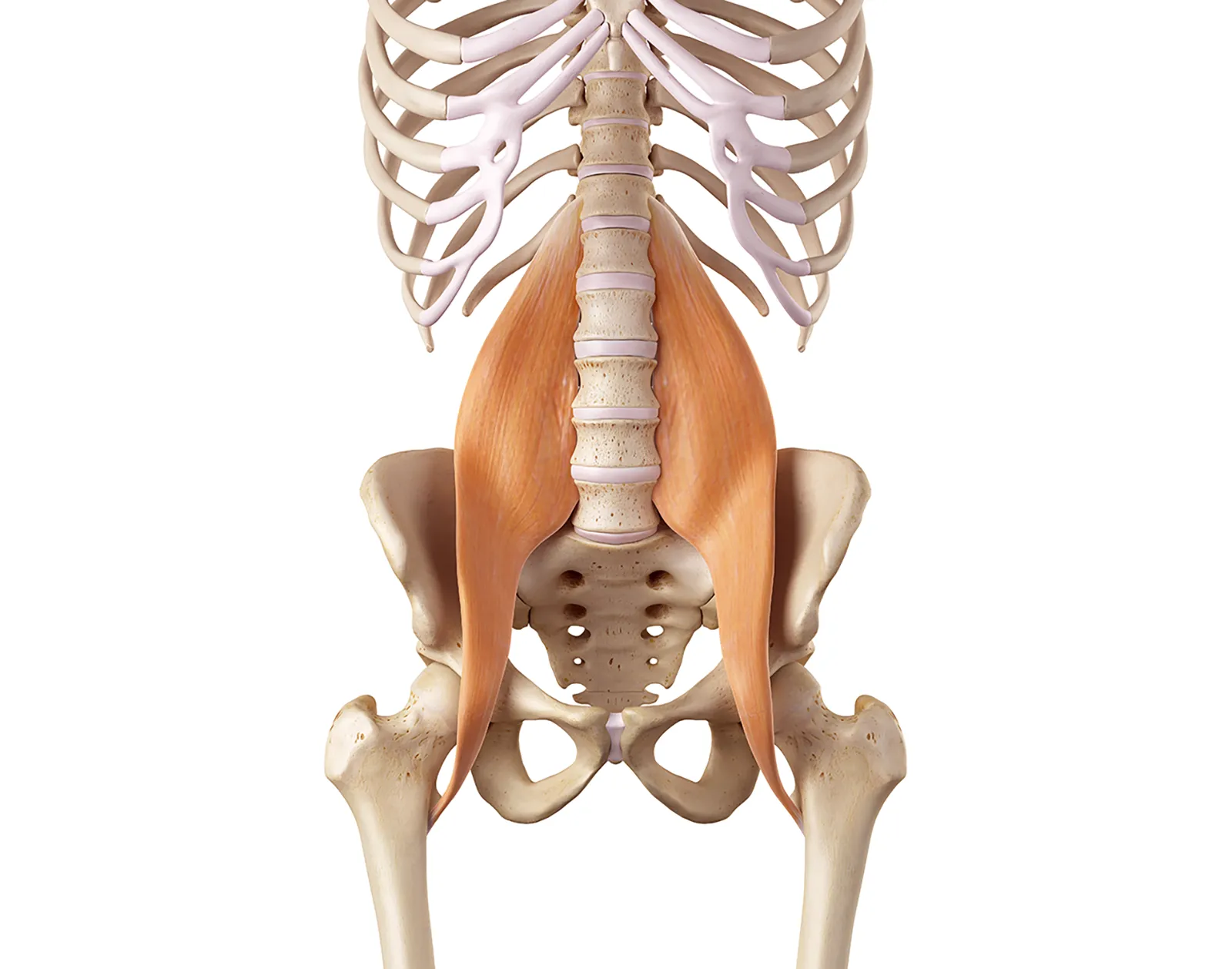
The seat of the soul. The source of ego. The fount of multidimensional wisdom and emotion. The psoas has quite a reputation in the multiple traditions and religions that work to define this muscle and its importance in the human body.
Structurally, the psoas is the deepest muscle in our core. It connects the upper body to the lower body, and is a major player in steadying the spine on the legs. Balance in this muscle is key for optimum function: a tight, short psoas can cause an anterior pelvic tilt, while an overstretched psoas creates a posterior pelvic tilt. The irony is that your clients may present with both.
iStock.
Read more about the psoas in the following feature stories:
The multidimensional psoas can be the undiagnosed culprit for low-back, hip joint, knee, or pelvic pain, but accessing it requires advanced knowledge of anatomy and assessment. The psoas is not a muscle that is easily addressed, but this center of movement, this center of balance, this seat of emotion, wisdom, and origin, begs to be heard in the treatment room.
Here, we offer a window into the psoas with three experts well-versed in its mysteries. From Joe Muscolino's comprehensive overview of psoas palpation techniques to Thomas Myers's perspective of the psoas and diaphragm as a muscle complex critical to core support and Liz Koch's interpretation of the "wild psoas" as a core messenger, we hope this package of articles inspires you to think more deeply about this often-untouched muscle.
To understand tissue-tension barriers, MTs must be constantly present and mindful. Too light and we will not become efficient at creating the healing change that is needed.