


Fascia: The Pericardium-Diaphragm Connection
Understanding how the pericardium relates to breathing can in turn help clients relax into their massage session.
Take a minute and interlace your fingers. Now look at your hands and notice which hand is on top. Do your right thumb and fingers start the lineup, or do your left fingers?
This can be considered your habitual way of interlacing your fingers. It is the way you always fold your hands, and it is comfortable and familiar to you. Now, change your position so your other hand’s fingers are on top. Yuck, right? This position feels weird and unfamiliar. This is your nonhabitual way of folding your hands.
The way you fold your hands, in the big scheme of things, really doesn’t matter. However, your postural habits do have an impact on the quality of your body mechanics as a massage therapist.
Postural habits start forming from the beginning of life and continue until we die. The neuroplasticity of the brain allows us to not only learn new patterns, but also change the ones we already have. This is exciting news, because it means we have control of our habits and can choose to keep the ones that serve us well and change the ones that don’t.
In the classic text Habits: Their Making and Unmaking (Liveright Publishing, 1949), psychologist Knight Dunlap writes, “The process of learning is the formation of a habit,” which he defines further as “a way of living that has been learned.” As we develop body awareness, we begin to recognize that some of our habits are healthy, whereas others are not. Bad habits are harmful to our health, to others, or to the pursuit of our goals, whereas good habits promote our health and well-being, help us achieve our goals, and/or contribute to the well-being of others and the planet.
As you become more mindful of your postural habits, you become aware of how your habits regulate the way you move and express yourself.
Postural habits are patterns of movement that we repeat, often without being aware of it. For example, the way we move when we walk, the posture we hold when standing, and how we gesture when talking are all elements of our postural habits. Indeed, most of our postures and movements are habitual. As creatures of habit, we transfer postural habits from one task to the next and from one environment to another.
As a manual therapist, you are likely to transfer many of your everyday postural habits into your working environment. For example, when standing and waiting in a line, which leg do you tend to put more weight on—your right leg or your left? Now, think about standing at your massage table. Do you stand on the same leg? The answer is probably yes. The truth is, standing on both legs equally would serve you better, but everyone has a preferred standing leg, so it’s nothing to feel odd about. Your everyday postural habit has slipped into your work environment.
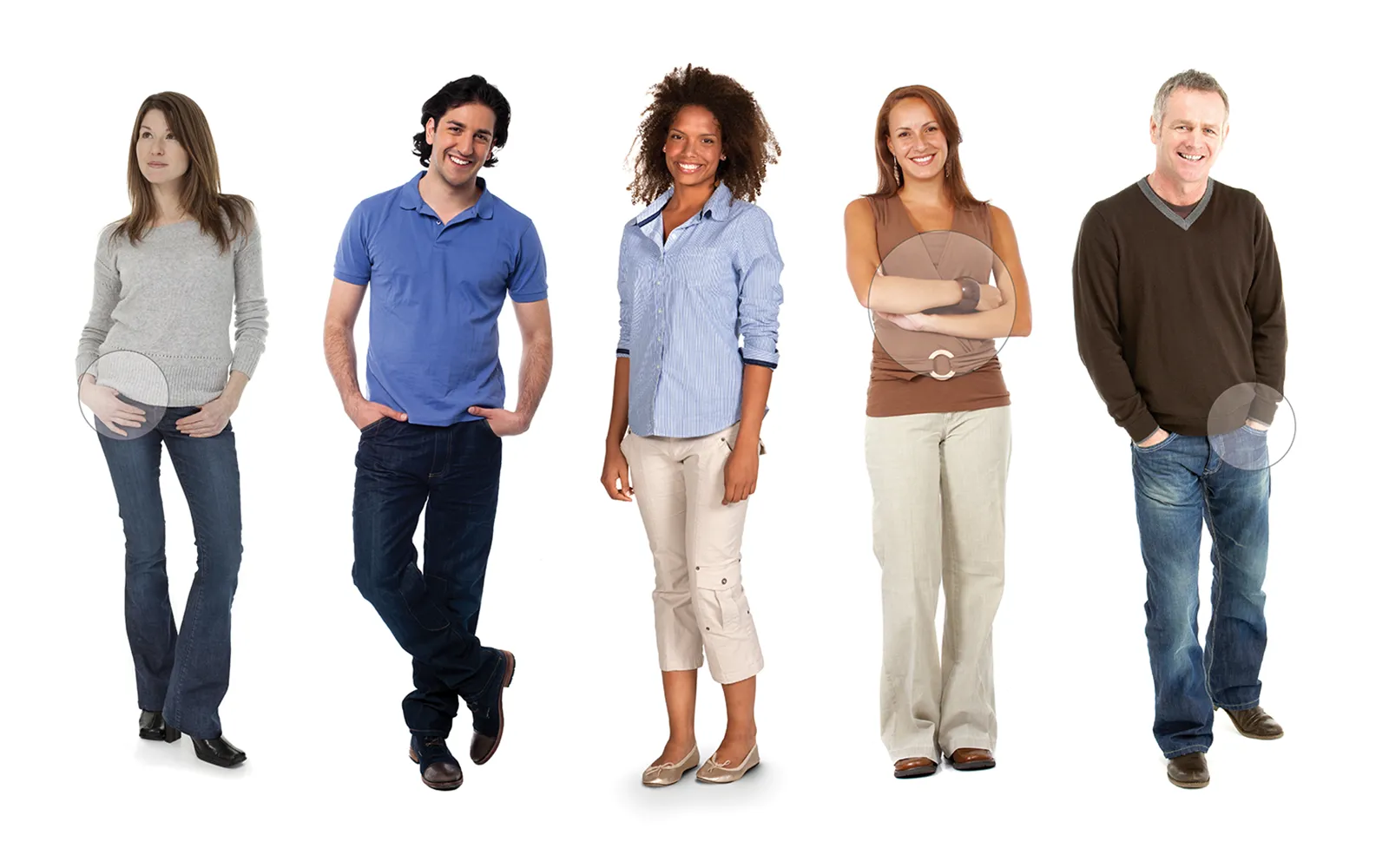
Becoming aware of your everyday postural habits is the first step toward understanding how you integrate them into your body mechanics during manual therapy. The following practice will help begin this exploration.
Stand as if talking to a friend you just happened to meet. While standing, answer the following questions:
Stand beside your therapy table, as if you were going to work with a client. While standing, ask yourself the questions listed above. Then, give yourself some feedback.
Repeat aspects of this exercise, as appropriate, during other activities throughout your everyday life. With practice, you will come to recognize which postural habits you are transferring to your body mechanics.
Understanding how the pericardium relates to breathing can in turn help clients relax into their massage session.
Superficial fascia may not get the same attention as deep fascia, but it plays an extremely important role in the organization of tissues and the structure of the body.
Understanding tendons—their shapes, lengths, and organization—improves an MT’s touch vocabulary and facilitates a more skilled touch.
While the neck is a bridge, a pathway, the position of the neck and head can also indicate a multitude of other things happening beneath the surface.