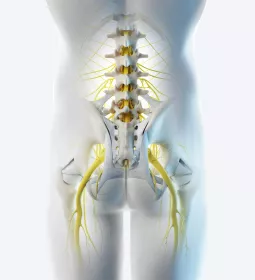




When it comes to hands-on work, how much of what helps is the pressure we apply and how much is everything else? That question lies at the heart of a recent study from Bezmialem Vakif University in Istanbul, Turkey, which explored how a simple suboccipital myofascial release technique affected pain sensitivity, neck mobility, and proprioception. The researchers compared a traditional, pressure-based technique with a sham version that involved only light touch.1 The surprising finding? Both approaches helped.
That result may challenge some of our long-held assumptions—but it also highlights how complex, subtle, and powerful touch can be. Whether we press deeply into tissue or rest our hands with still attention, something meaningful happens in that interaction between practitioner and client.
The Study
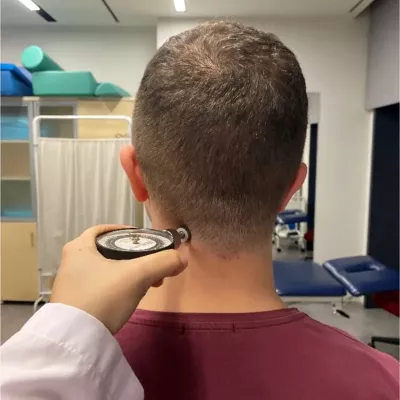
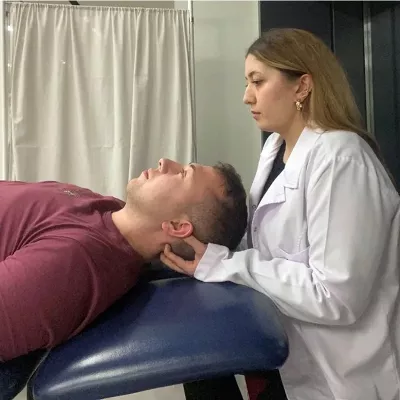
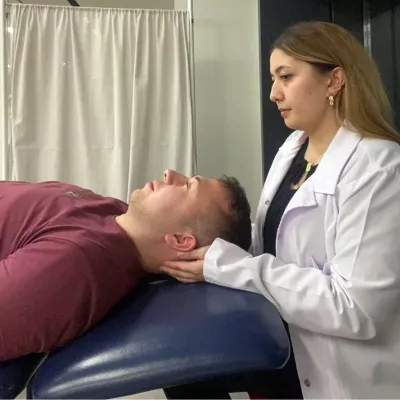
Thirty healthy adults received one of two five-minute interventions under the base of the skull: either sustained fingertip pressure into the suboccipital tissues (myofascial release) or simple, light touch in the same position (the sham treatment). Participants were tested before and after for neck mobility, for how much pressure it took to elicit discomfort (or their pain-pressure threshold, a standard measure of local pain sensitivity and tissue tolerance), and for accuracy in head repositioning (a measure of proprioceptive refinement).
The precision, sensitivity, and anatomical awareness we develop through practice are a powerful part of the therapeutic context.
In both groups, all three factors improved—whether they received full-pressure or light touch, subjects showed greater neck flexion, tolerated more pressure before reporting pain, and demonstrated more accurate sense of position. But statistically, there was no significant difference between the pressure group and the light-touch group. In other words, five minutes of gentle holding worked as well as five minutes of specific, pressure-based technique.
Context Counts
At first glance, that might seem to undercut the value of technique. Yet, rather than proving technique irrelevant, the finding points to the potent contextual factors woven into every therapeutic encounter: safety, attention, trust, expectation, and presence. In research language, these are sometimes grouped under placebo or nonspecific effects. But in practice, they are anything but nonspecific.
As manual therapists, we don’t simply apply pressure; we create a context where touch is received, interpreted, experienced, and integrated. The room’s lighting, our pacing, even subtle cues of confidence or care all shape how our clients’ nervous systems respond. In that sense, the how of touch may be at least as influential as the what.
Technique Still Matters
Does that mean skill is irrelevant? Hardly. The precision, sensitivity, and anatomical awareness we develop through practice are a powerful part of the therapeutic context. A practitioner’s grounded attention communicates safety; their anatomical clarity helps organize and focus a client’s proprioceptive awareness.
In this study, both light and firm touch helped subjects perceive their head position more accurately—yet the researchers didn’t track how practitioner experience or palpatory refinement might have influenced outcomes. Anyone who’s received touch from both a novice and a seasoned hand knows the difference. Experience shows up not just in pressure, but in timing, listening, and the subtle dance of following tissue response. Those qualities, too, are potent contextual forces.
Measuring the Immeasurable
Clinical trials depend on isolating variables. That’s how we learn which ingredients matter most. But in manual therapy, variables intertwine: the therapist’s touch, the client’s experience, and the shared moment. Trying to tease them apart can yield “sterile” results that may miss the living essence of practice.
Still, such research has value. Studies like this invite us to ask: What exactly changes when touch helps? Is it muscle tone, fascial properties, local circulation, interoceptive awareness, or the meaning our clients assign to being met with care? Likely, all of the above.
The Magic in the Ordinary
Perhaps the real marvel is that simple, mindful touch—light or firm—can measurably change how someone perceives pain and position in just five minutes. For those of us who spend our days working through our hands, that’s both humbling and affirming. Technique gives our work structure; context gives it life.
So, next time you cradle someone’s head, remember: Whether your fingers press deeply or merely rest, you’re part of a complex, meaningful exchange. And that, research reminds us, is where the
magic happens.
Note
1. Ertuğrul Safran and Yaren Kaya, “Contextual and Placebo Effects of Suboccipital Myofascial Release: Evaluating Its Influence on Pain Threshold, Cervical Range of Motion, and Proprioception,” BMC Musculoskeletal Disorders 26, no. 502 (2025), https://doi.org/10.1186/s12891-025-08741-6.