

Professional Jealousy Is Not Professional
We’ve all experienced jealousy in our lives. It may be harmless, wishful thinking, such as, “I wish I had been the one to win that lottery! I’d quit my job and be on my way to Europe for six months!” Or, it could be as simple as, “I wish my hair looked that good.” But there is another type of jealousy—professional jealousy—and it’s not professional.
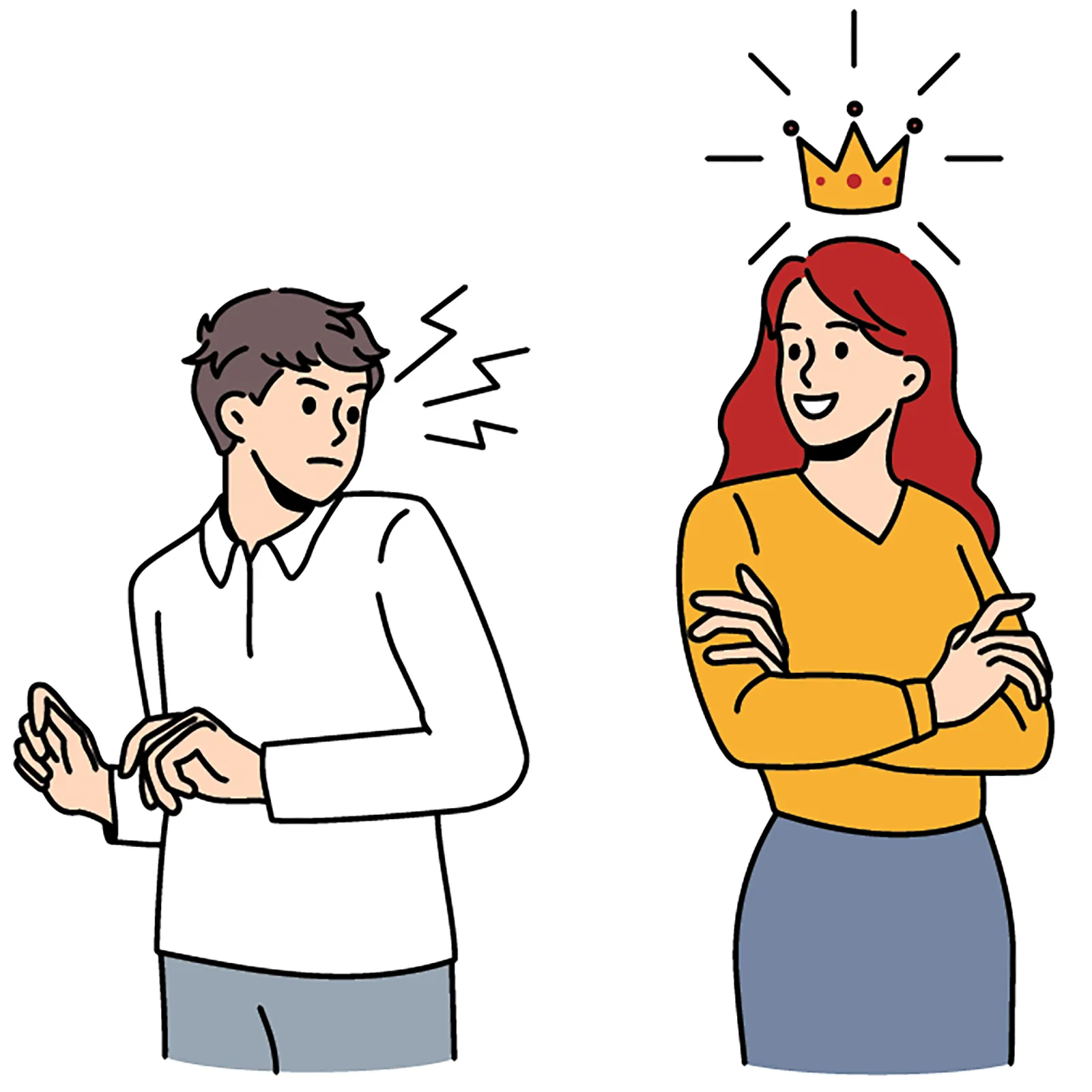
I recently saw a social media post from a CE provider about an educational event they were hosting. The first comment was from another provider: “I have a much bigger mailing list than you do, and my event is cheaper!” News flash: That is unprofessional. It didn’t make the CE provider who made the original post look bad, but it did make the person who made that comment look bad, and they got called out on it by several people (including me). It’s not a contest. Trying to make someone else look bad does not make you look good.
If you find yourself feeling envious of another therapist, take time to reflect on the specific attributes or accomplishments that prompt these feelings. What is it about them that makes you feel jealous? Consider their education and skills, rates, location, or other attributes that differ from yours.
Taking responsibility for your circumstances is crucial. For example, if you’re self-employed, don’t be jealous of someone who charges $150 an hour while you charge half that. That person didn’t set your prices, you did. The cost of living continuously rises, and no one expects you to keep charging the same rate you did five years ago. Evaluate your pricing yearly. Seeking guidance from a coach or mentor can also help you objectively identify your own blocks, determine areas for improvement, and facilitate growth.
Even the person you’re jealous of may be willing to impart some knowledge. Book a massage with that therapist and see what they do that’s so great. A nicer office is rarely the only reason for someone’s success. Maybe they’ve taken advanced education in something you’re not trained in. Maybe doctors regularly refer to them.
If teaching is the direction you desire to take, attend a CE class with a provider you envy. Ask them how they built their teaching business. Many will be glad to share. It’s likely a combination of their skill, knowledge, demeanor, and professionalism that helped them succeed.
Instead of resenting others’ achievements, focus on creating your own success. There’s enough to go around! Ultimately, the professional community thrives when individuals respect each other, support each other’s progress, and applaud each other’s achievements. Who knows? One day, you may find yourself mentoring others to help improve their circumstances.
You may also like
-
-
How Therapists Can Protect Themselves from Sexual Assault
Predatory sexual behavior by any potential or current clients is a serious issue. Let’s review ways in which therapists can advocate for their own safety and for safe working environments.
-
The Session Surrounding the Session
By Cal CatesA new theoretical framework for massage considers how intention before, during, and after a session can profoundly impact the efficacy of your work.
-
Managing Relationships with Colleagues
By Laura AllenWe may not like everyone in the workplace equally, but we should treat all of them as professional colleagues.