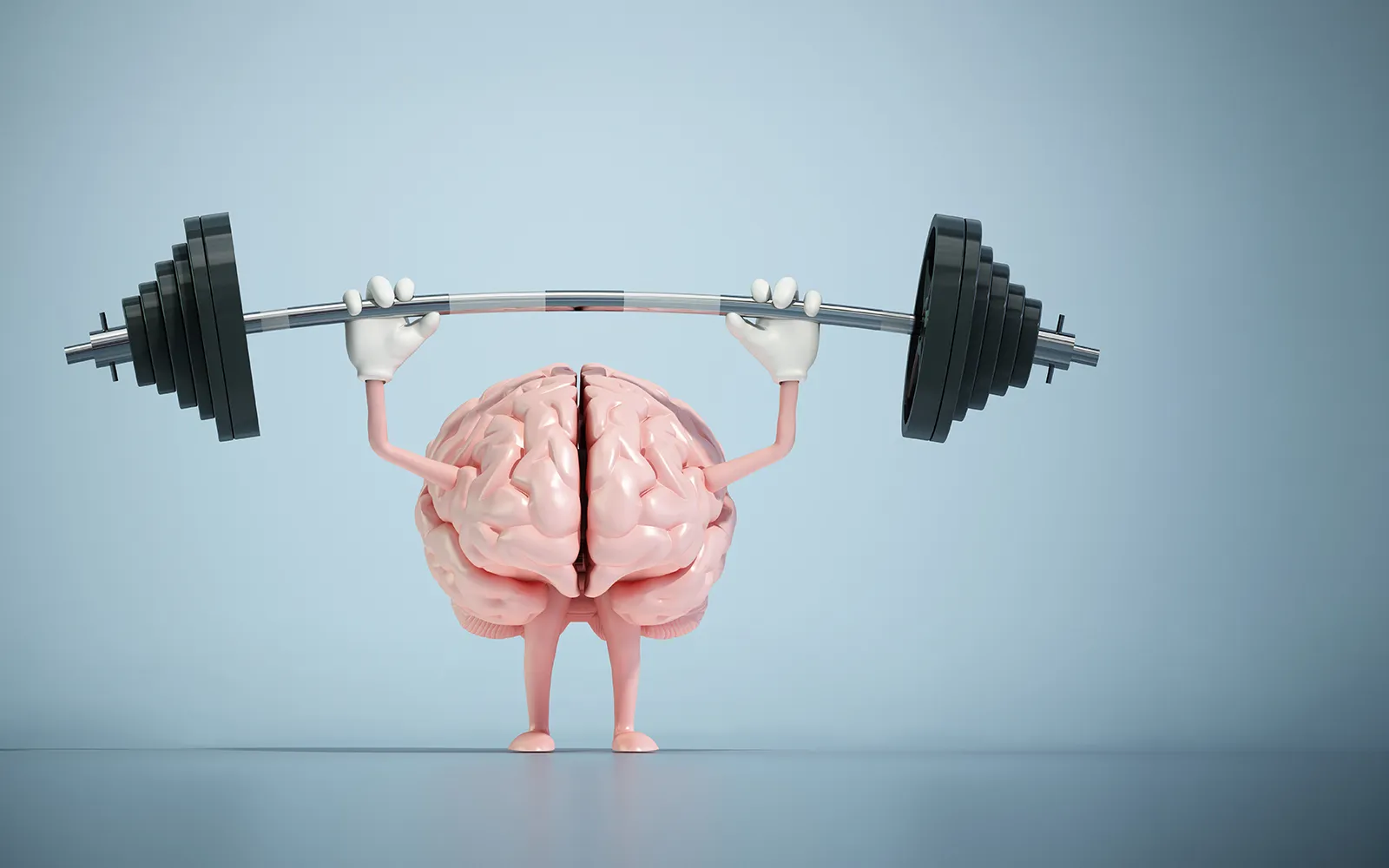
Muscles are stubborn, kind of like humans. We say we want a new heart, more courage, or a bigger brain, but all too often, we are so thoroughly entrenched in wacky patterns that staying the course is easier than facing a new challenge. So, we wait for someone to point us the way to the great Wizard of Oz who will grant our requests. This only ever happens in the movies though. Real life is different. There are no Munchkins singing to us as we move toward the yellow brick road. And change? Well, real change is hard work.
Getty Images.
Our muscles would also love a good musical accompaniment to feel better. When clients come to see us, working on their issues can be frustratingly exhausting. Trying to convince guarding patterns, over- or under-firing patterns, or needy trigger points can feel like speaking vegetable to a teenager— monotonous with no relief in sight. Techniques fail, implementing new behaviors fades, and getting them to adapt to a new reality can feel as impossible as becoming the Wizard himself.
So how do you get a muscle to change when it doesn’t want to? Excellent question. First, we only want to tackle this quandary when we know it is a genuine case of stubbornness. There are many scenarios (diseases, genetics, etc.) when accepting and managing the dysfunction might be the better choice. But if a person with a stubborn muscle decides it’s time, establishing a yellow brick road—a path to the Wizard of Happy Mobility—is where you come in.
Shifting Habits
Getting a muscle to leave bad habits behind and embrace new ones comes down to three things: a seismic shift, a hard truth, and a life lesson.
1. The Seismic Shift
This first moment—the day your client walks in and decides they are done with their current ways—is the tectonic slip their muscles need. Becoming fed up with chronic pain or dysfunction is real, but when the client hits that proverbial wall, their muscles can feel it deep down. Their nervous system fires new signals, their endocrine system pumps out fresh feelings, and their muscular system picks up what they’re putting down. There is a new vibe in this anatomical town. This is the perfect moment for you to map out next steps.
2. The Hard Truth
This hard truth lands a little easier once there has been a shift for the client. However, this part might present more obstacles for you, since this is the moment when you have to reassess past techniques and dissect what needs to happen next. Maybe you stick with your current approach. But often, the hard truth is that sessions for this client will need to look different.
Here’s an example. Your client has a trigger point that has made itself at home in their right quadratus lumborum (QL). It usually whispers, but every so often, it yells. And when it does, it leaves a lot in its wake—everything from walking to sleeping to even breathing becomes anger-inducing pain. After many weeks, months, or years of this pattern, your client finally decides they’re at their limit, and, as the therapist, you need to navigate what comes next.
What exactly is this QL doing that is so wrong? How does this person move through the world? I’m not just talking about gait patterns and one-sided bag carrying. I’m talking about how they sit, stand, cook, clean, work, rest, and interact with the world around them. Where is the hard truth that is hanging on to some habitual rhythm that has created this downward spiral? It’s usually not obvious, but with some diligence and patience, it will reveal itself. This step of the process is where you’ll start putting in the work.
3. The Life Lesson
Finally, it’s time for a good old-fashioned life lesson. We become familiar with them when we experience our first heartbreak or our first financial stressor. But the older we get, and the older our soft tissue gets, the more muddied these lessons become. To go back to the example with the QL: A young, strong gluteus medius might step in to help, or a more adaptable psoas might readily accommodate. Older muscles and fascia, though? Not so much.
There’s a saying that the key to staying young is to never stop learning. This also holds true for our muscles.
Helping clients motivate themselves in this new direction will be the yellow bricks you lay down that lead to that Wizard of Happy Mobility. Offer some empathy when clients tire from their efforts. Cheer them on when they recognize an unproductive movement pattern on their own, and remind them of their main goal, which is easy to lose sight of when they are tired and just want to lean into old muscle memory patterns. It’s a huge win when clients finally break these patterns.
In Short
Growth can be painful. Everyone knows that. But there’s a saying that the key to staying young is to never stop learning. This also holds true for our muscles. Our job as hands-on practitioners is not limited to trigger-point therapy or myofascial release. It’s a role that includes bricklaying, problem-solving, warding off doubts and fears, and hopefully eventually opening the gates to Oz.
To understand tissue-tension barriers, MTs must be constantly present and mindful. Too light and we will not become efficient at creating the healing change that is needed.