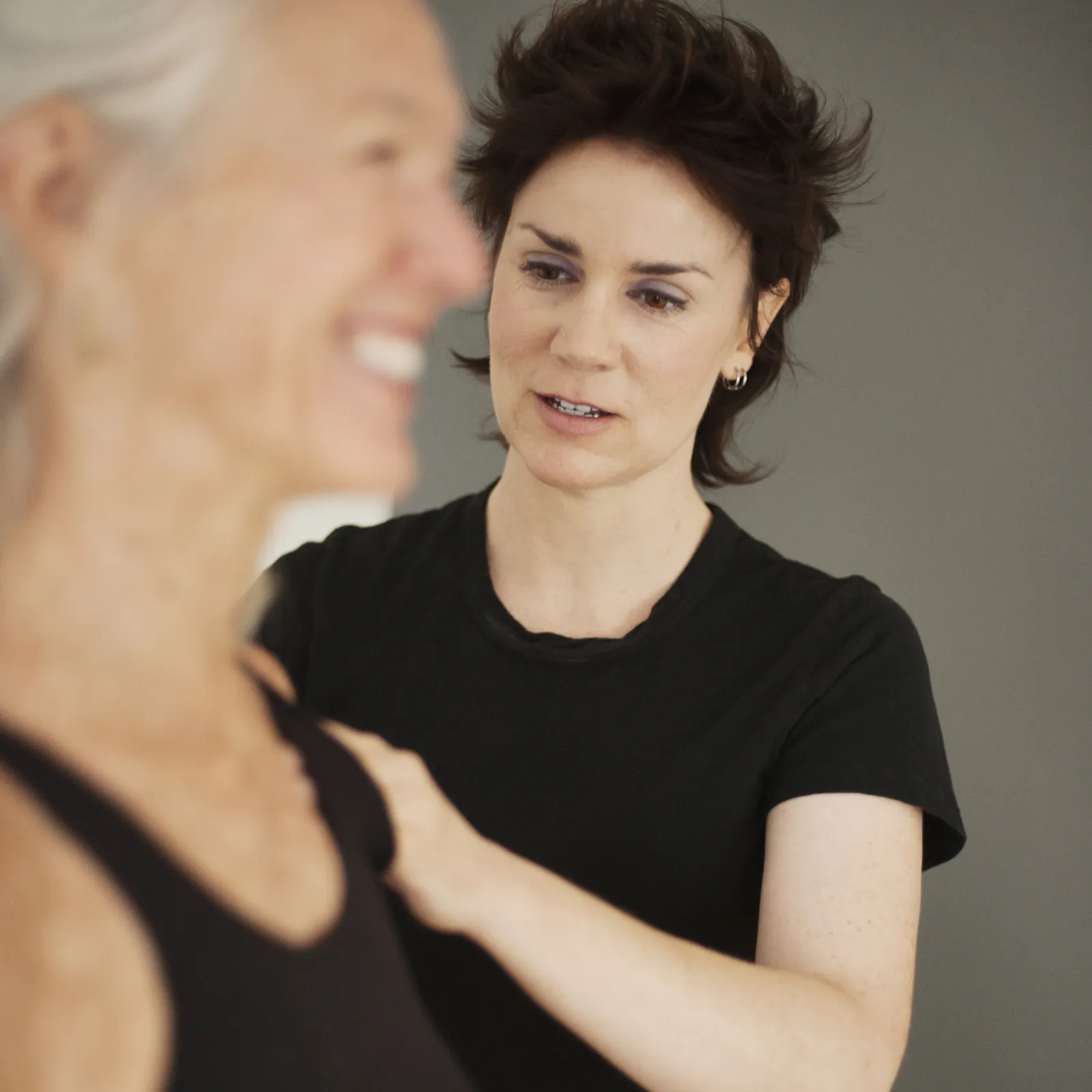
In the last decade, massage therapy has gained recognition in mainstream health-care settings. At the same time, America’s aging population continues to increase, with elders in retirement communities and nursing homes representing a growing clientele that requires a specialized type of practice.
As public awareness about the benefits of massage grows, these facilities are acknowledging the value of adding massage therapy to the programs and services they offer. This synergy is creating opportunities for a growing elderly population to receive much-needed massage therapy, and for massage therapists to expand their practice into a growing market.
Why Now?
What are the forces driving this increased opportunity? Part of the answer can be found in demographic and societal changes. Call it synchronicity or just old-fashioned good timing, but the end result is that those of us who are interested in practicing geriatric massage are in the right place at the right time. Here are some trends to consider:
The Number of Older Adults Is Increasing
It’s no secret that the fastest-growing segment of our population is people aged 65 years and older—and the greatest increase is occurring in those 85 and above. The number of Americans aged 65 years or older during the next 25 years is expected to increase to 72 million.
People Are Living Longer
In the last century, our country has experienced an enormous change in how long people live. In 1900, the average US life expectancy was 47.3 years. Today it is 78.8. Advances in medicine and health care, along with lifestyle changes, have contributed to people living longer.
The Types of Diseases Have Changed
In 1900, the leading causes of death among adults were infectious diseases such as pneumonia, tuberculosis, and influenza, as well as accidents. Today, adults are affected by more chronic illnesses, living for years with conditions such as heart disease, diabetes, Parkinson’s disease, and Alzheimer’s disease.
More Older Adults are Turning to Complementary and Alternative Therapies
Their reasons include an increased desire to participate in their own self-care, concerns regarding side effects of medications, concerns about health-care costs, and consumer dissatisfaction with conventional medical care. Adults over 65 are motivated to use complementary modalities for pain relief, to improve quality of life, and to maintain health and fitness. The complementary and alternative therapies most commonly used by older adults are chiropractic, herbal medicine, and massage therapy.
The “Culture Change Movement” is Impacting Nursing Home Care
The "culture change movement" is a grassroots movement aimed at transforming the culture of aging in America and bringing person-centered care to the nursing-home industry. Spearheaded by the Pioneer Network, the movement is about fundamental change in nursing homes that creates a less institutionalized and more humane environment to support the elder’s life, dignity, rights, and freedom.
An Opportunity for Growth
So, what does all this have to do with you? If you feel drawn to work with elders, it has a great deal to do with you. As our population ages, greater numbers of older adults will be seeking ways to live well longer or to find relief from the symptoms of the conditions affecting them. If you have the knowledge, skills, and sensitivity to meet their needs, there is potential for your practice to thrive. But serving this population requires a unique combination of knowledge, skill, and personal awareness.
Be Informed
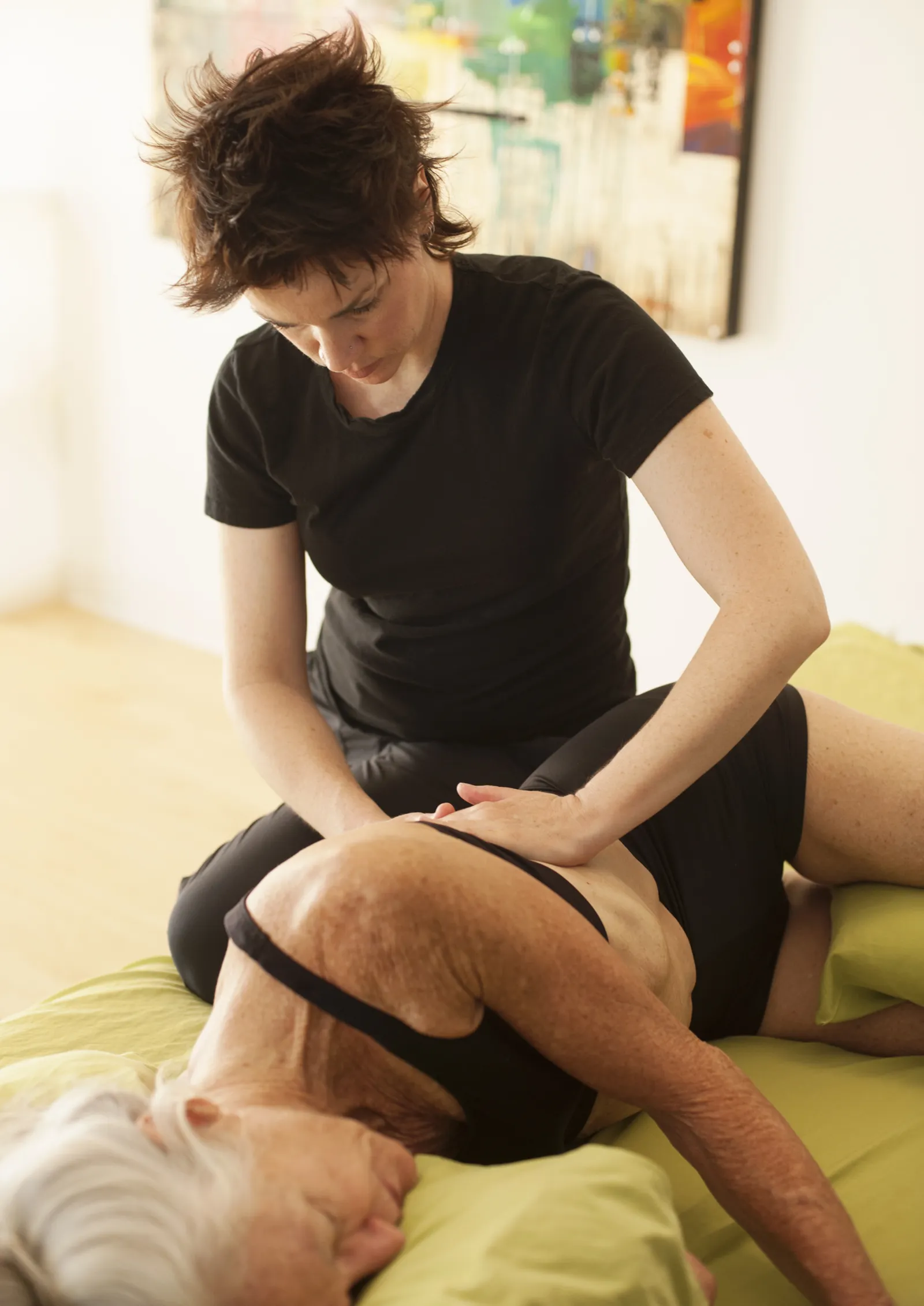
Knowledge gives you a foundation from which to act. When you are informed, you can offer your care with confidence and ease. It is essential to be informed about the characteristics and needs of this special population, including:
- Age-related changes. It is important to understand the typical physical and functional changes of aging versus changes that are manifestations of a disease process.
- Common conditions found in eldercare settings. If you work in long-term care, you will encounter individuals living with the effects of stroke, Parkinson’s disease, Alzheimer’s disease, hip fractures, and cancer, among others. A basic understanding of these conditions, precautions, and how to modify your approach will ensure that you provide safe, effective, and meaningful service.
- Special needs of elders in facility care. Those who live in care settings are often dealing with loss, grief, feelings of helplessness, lack of control, boredom, touch deprivation, and feelings of isolation. Your awareness and compassionate acknowledgement of these sensitive issues will deepen the therapeutic relationship with your client.
- Benefits and effects of skilled touch. Identifying the specific physical, mental, and spiritual effects of your touch for those with special needs will help others understand the far-reaching value of your service.
- How to work within the long-term care system. This can be intimidating if you aren’t informed about the way the system operates. Although you may feel confident in your skills as a therapist and comfortable with elders, knowing how to navigate the system is necessary to succeed in expanding your practice to this setting.
Develop Your Skills
Working with elders in facility care requires skills that go beyond traditional massage techniques. While being skilled in massage techniques is important, this work often requires creativity and flexibility because of environmental barriers, positioning needs, or communication challenges.
- Techniques. Some modalities are well suited for the person living with the effects of aging, disability, or dementia, while others are inappropriate. It is important to learn modalities that are safe and beneficial for the variety of conditions and individuals you will encounter.
- Adaptability. Letting go of techniques and expectations is often called for in order to respond to the needs of your client in the moment.
- Communication skills. There will be times when your client is unable to speak, or speaks with garbled speech that is difficult to understand. Others will be confused or have severe memory loss. Still others will want to share their feelings and stories with you. Many will be hard of hearing. A variety of communication skills is required to relate to the individuals you will serve.
Cultivate Self-Awareness
Working with this population will challenge you to learn about yourself and will teach you about the profound nature of service.
The following questions reflect awareness that arises if you let those you touch be your teacher and allow yourself to grow from your experience.
- What are my attitudes and beliefs about aging or death and dying?
- How might I handle the emotional impact of this work?
- What personal gifts do I have to offer?
Approaching Potential Employers
The people who may benefit the most from massage—and who make up a big portion of this market—are often embedded in a system that is full of intimidating obstacles. You may discover the door into these organizations seems closed, not because you lack skill or passion for the work, but because you don’t understand the system or how to get past the gatekeepers to the potential client. Before proposing your services, it’s important to understand the perspective of leadership in the facility. What follows is a description of some of the needs or concerns of nursing homes and how your service impacts them.
Activities
Need: Nursing homes have staff who provide leisure and recreational activities for the residents. Nursing homes must meet federal guidelines from the US Centers for Medicare and Medicaid Services requiring person-centered, one-to-one activities for those individuals confined to their room or bed who cannot participate in group activities.
Impact: Massage therapy sessions represent an innovative one-to-one bedside activity. Providing documentation of your sessions to the facility’s activities department helps satisfy this requirement.
Pain Management
Need: Guidelines require care facilities to offer both medication and nonpharmacological treatment options for pain management.
Impact: Massage is a well-known solution for reducing pain. When a nursing home has access to a massage therapist, it helps the organization demonstrate it is using nonpharmacological treatment options.
Dementia Care
Need: Nursing homes must demonstrate a reduction in the use of antipsychotic medications for behavioral and psychological symptoms of dementia. In 2012, the US Centers for Medicare and Medicaid Services developed a national partnership to improve dementia care and optimize behavioral health. This has prompted more nursing homes to explore nonpharmacologic approaches.
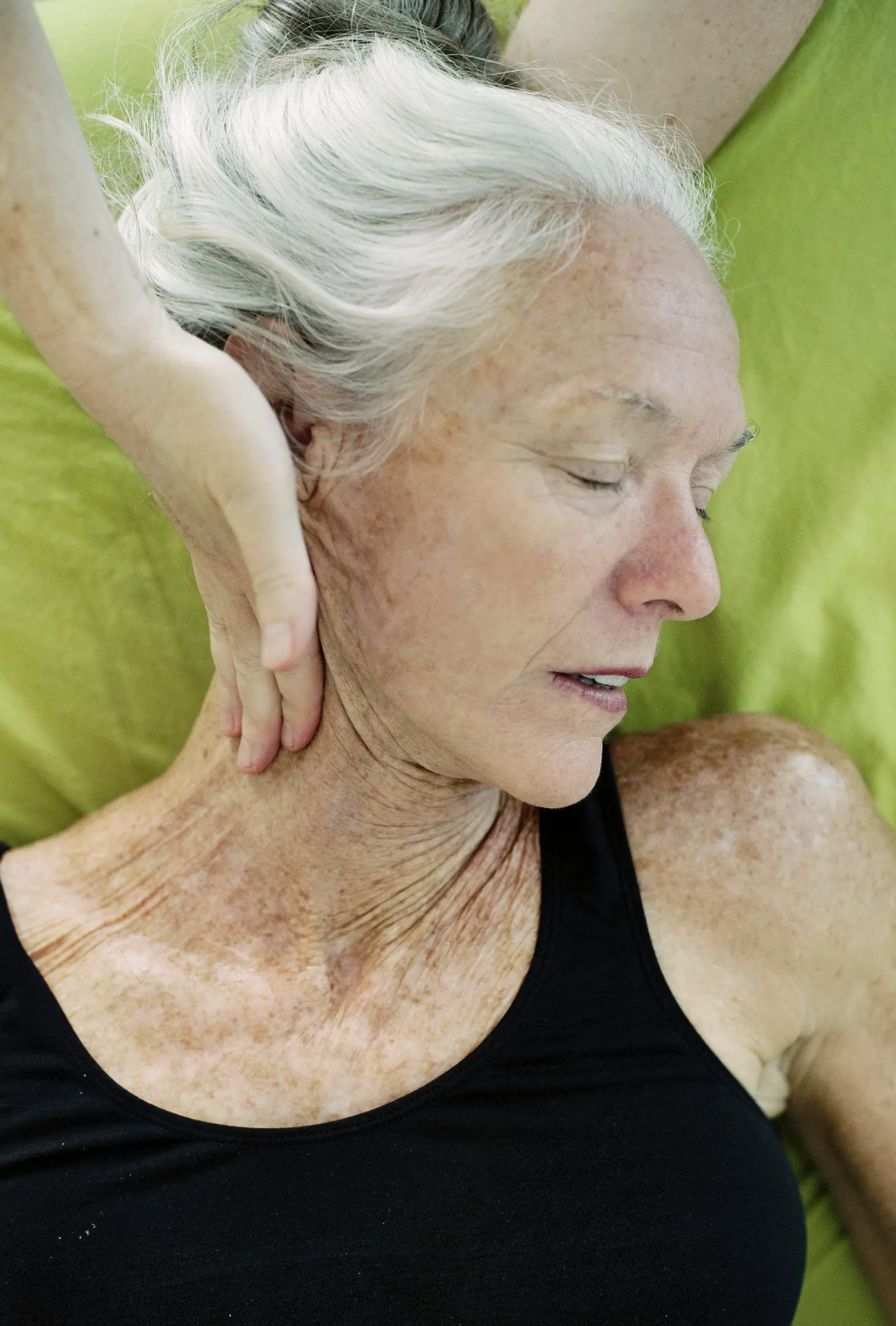
Impact: Skilled touch helps ease distress that leads to challenging behaviors and agitation for those living with dementia, and may help reduce antipsychotic medication use.
Innovative Programs
Need: Long-term care organizations are very competitive. They must offer programs that set them apart in order to attract customers and referrals.
Impact: The services of a massage professional with specialized skills represent an innovative program that consumers are looking for, giving the facility a marketing edge. This is often the reason massage programs are added. Family members enjoy the positive response of their loved one to this comfort care, leading to greater peace of mind and confidence in their choice of facility.
Staff Satisfaction
Need: Facilities must attract and retain staff. Staff turnover and burnout are a huge, costly problems in eldercare.
Impact: Increased staff satisfaction. Staff members win in two ways: indirectly, when the elders in their care have fewer complaints and are more content, and directly if they, too, receive an occasional massage, easing caregiver stress.
Culture Change
Need: Nursing homes are challenged to adopt culture change practices. Culture change (also known as person-centered care) is the name of a movement to transform senior services and the long-term care medical model to one that nurtures the human spirit while meeting medical needs.
Impact: Having a massage therapy program in place demonstrates the organization’s engagement in person-centered care and culture change. The Institute for Caregiver Education, which offers continuing education and professional development to health-care managers, identifies massage as a best practice in culture change, indicating the following benefits:
- Fostering well-being without medication.
- Building strong bonds between caregiver and resident.
- Reduction in weight loss, pain, agitated behaviors, sleeplessness, and falls.
- Increased resident and staff satisfaction.
Opening the Door
There are many ways you can offer your services to this population. First, I suggest becoming familiar with the various types of eldercare organizations in your community.
Assisted Living
The emphasis in assisted-living settings is to support mentally or physically limited persons who need help with activities of daily living, but do not need the skilled medical care provided in a nursing home. Facilities consist of private rooms or apartments, as well as common areas. These facilities provide 24-hour staffing, meals, housekeeping, social activities, and limited nursing services such as management of medications. Some assisted-living facilities provide specialized care for elders with Alzheimer’s disease.
Skilled Nursing (Nursing Home)
People usually enter a nursing facility as a result of illness, injury, or mental or physical debility that requires 24-hour nursing care and continuous assistance with activities of daily living. Some require this level of care temporarily, and then return home. Others require permanent care. Facilities consist of semiprivate or private rooms, a common dining room, and social areas. In addition to 24-hour nursing, services include personal care, meals, psychological and spiritual support, and planned social and recreational activities. Physical, occupational, and speech therapy, as well as specialized care for those with Alzheimer’s disease, may be available.
Continuing Care Retirement Community
This is typically a campus setting with multiple levels of care including independent living, assisted living, and skilled nursing. Residents can remain in the same community even if their needs change. Communities provide an array of services and amenities including dining, housekeeping, recreational activities, health-care services, personal care assistance, and nursing care.
Knowledge Is Power
Many organizations may not have considered massage as an ancillary service. The following questions will be on the mind of a potential employer, so be prepared to answer them.
How Does Massage Help Our Residents?
Not all administrators share your knowledge of the benefits of massage. Remember, you are the expert about how massage therapy impacts the body, mind, and spirit.
1. Massage alleviates aches and pains, resulting in:
- A possible reduction in need for pain medication.
- The ability to perform activities of daily living with greater comfort.
2. Massage increases circulation, contributing to:
- Improved skin condition.
- Decreased risk of pressure ulcers.
3. Massage provides tactile stimulation, which:
- Alerts the senses.
- Increases body awareness.
4. Massage induces a relaxation response, leading to:
- Improved quality of sleep.
- Greater ease of breathing.
- Calmed agitation.
5. Compassionate and caring touch supports emotional well-being by:
- Providing a pleasing way to interact with others.
- Offering a means for nonverbal communication.
6. Focused touch enhances spiritual well-being, resulting in:
- Being grounded in the present moment.
- A greater sense of self-worth.
How Do Massage Services Benefit Our Organization?
Eldercare organizations are in business, too. They will want to know how massage services will improve their bottom line. Tell them that an organization that offers massage:
- Is in step with consumers’ increased use of massage therapy.
- Will be recognized as raising their standard of care. This may give the organization an edge in a competitive marketplace. Barbara Clayton, a Missouri nursing home administrator, says, “Providing massage for our residents puts us a cut above other facilities—going above and beyond what’s required.”
- Enhances resident, family, and staff satisfaction. This is a win-win-win situation. The resident wins by directly reaping the benefits of massage. Family members enjoy the positive response of their loved one and, as a result, may also begin to seek out therapeutic massage. As mentioned earlier, staff members win in two ways: indirectly, when the elders they care for have fewer complaints of discomfort and are more content; and directly, if they, too, receive an occasional massage.
- Augments the special care of residents with Alzheimer’s disease or other forms of dementia. The Alzheimer’s Association states, “Residents who are not ambulatory can be meaningfully engaged and stimulated by such activities as massages.”
How Does Massage Therapy Help Meet Federal Guidelines?
Massage services can be integrated into the resident’s plan of care. Documentation of your service contributes evidence of a nonpharmacological approach for relieving pain, calming agitation, and aiding sleep, and an innovative one-to-one bedside activity for low-functioning residents.
Who Pays for Massage Therapy Services?
The answer to this question lies in the structure of the agreement you have with the organization. You may be hired as a staff member, in which case you would be paid a salary to provide massage with or without employee benefits. Or, you may be brought on as an independent contractor. In this case, there are two possible options for payment.
Option 1: The organization pays you an hourly rate for a set number of hours per month. This offers the facility two advantages: any resident or patient may receive massage, and they can offer your services as a value-added amenity, something that may be attractive to their potential customers. The advantage to you is reliable hours of work. The organization may also agree to pay you for staff massages or educational presentations.
Option 2: The organization permits you to offer massage on a fee-for-service basis. In this case, the resident or patient, or his responsible party, hires you directly; therefore, you would work only with those individuals who have contracted your services. With this arrangement, there is no cost to the organization, which may appeal to the management. The challenge is that you have to attract and retain clients. Ask the director to help distribute information about your services. One suggestion is to place your service brochure in the materials that all new residents receive upon admission. Offer to give a short presentation about massage at facility meetings or create a display for the lobby to announce the new service.
Is a Physician’s Order Required for Massage Therapy?
No. But there are instances where you should consult with the physician to ensure safety—for example, if the resident has had recent surgery, acute illness, or chemotherapy.
Can Our Staff Receive Massage?
Absolutely! Care professionals can benefit from on-site massage to reduce the effects of job-related stress and prevent burnout. Massage is perfect for incentive programs that reward employees for a job well done! Offer to provide this service on a regular basis.
What Qualifications Should the Massage Therapist Have?
Provide your license or certification credentials and proof of professional liability insurance. Highlight any specialized training in meeting the needs of people in later life stages.
Bring Your Pioneering Spirit
Consumers today expect eldercare organizations to provide innovative programs that reflect the changing face of aging. Your services help these organizations be in step with this growing trend, while at the same time profoundly impacting the well-being of people living in long-term care. Including this special population in your practice can be professionally and personally rewarding. It requires specialized skills, sensitivity, and compassion—as well as a bit of a pioneering spirit. You can succeed in opening the door to eldercare or hospice organizations, and in doing so, positively affect those who need your touch.