

Pricing Is an Identity Issue, Not a Math Issue
By
Elicia Crook
Give yourself the credit you deserve when considering a price increase.
When you started out as a massage therapist or bodyworker, you may have fantasized about the breathtakingly exquisite space you would someday create for yourself and your clients. I know I did. But now, having built my own thriving massage practice, I realize that the functionality of my treatment room has contributed just as much—or more—to the success of my practice as the beauty of its décor. Like massage itself, the ideal massage space comes from an understanding of both form and function.
My husband, Shane (who is also a massage therapist), and I have been married for about 20 years, and early on in our relationship it became clear that our esthetic tastes lean in opposite directions. Whereas I tend to favor a cozy, Bohemian, eclectic (he might say “cluttered”) style, he leans toward a minimalist, modern (I might say “stark”) esthetic. Needless to say, we’ve both had to make some compromises when it comes to our home and business spaces.
Whether or not you need to directly accommodate the tastes of a business partner when designing your massage space, there’s more to consider than just your own inclinations.
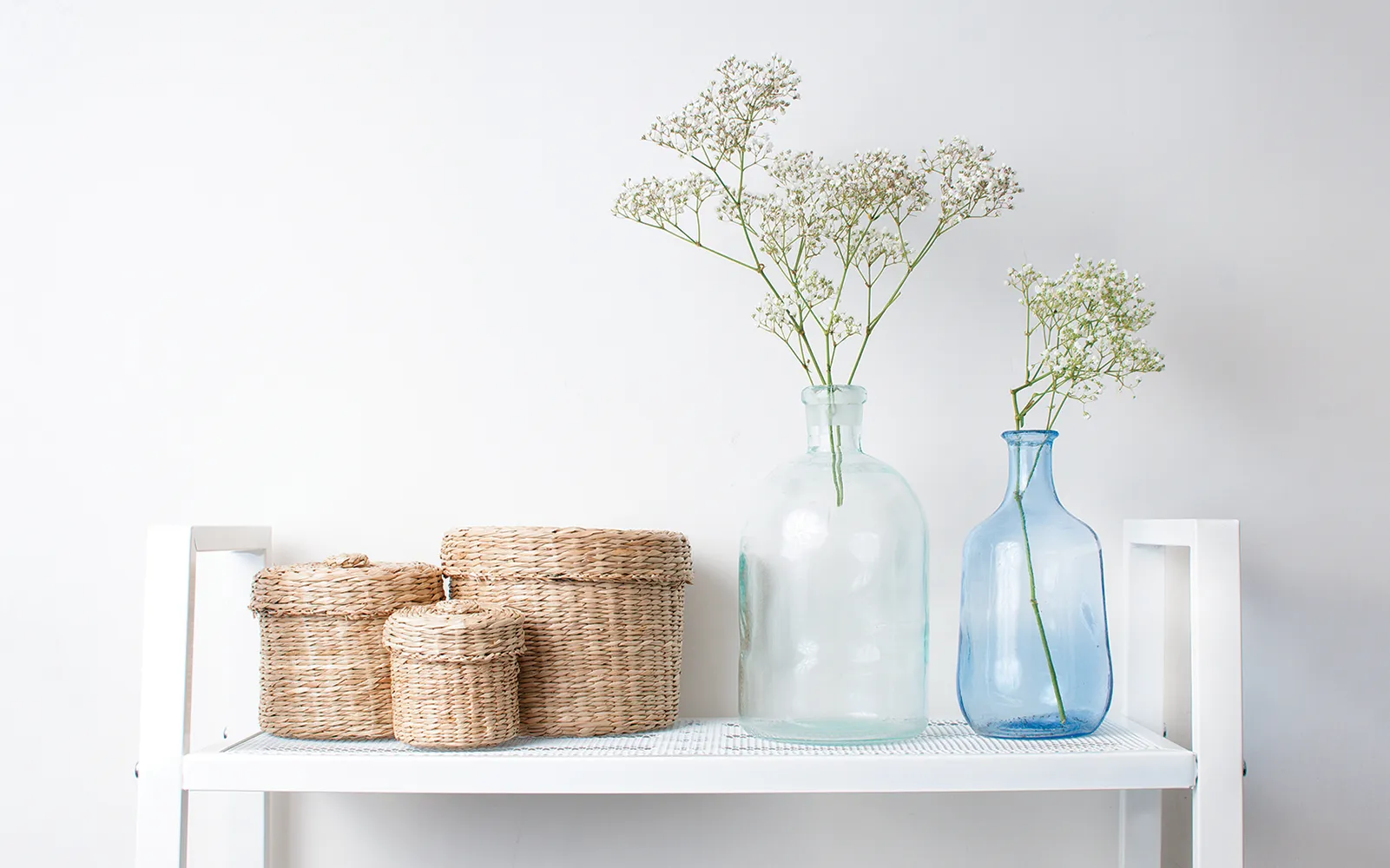
Minimalism was born from the concept in Japanese interior design that the contents of a space should be reduced to only the necessary elements. If you opt for a minimalist approach to your massage space, the main concern is that your design might come across as stark, harsh, sparse, or simply boring, rather than sophisticated and polished. There is a fine line between “minimalist” and simply “empty.”
Here are some ways to overcome this challenge:
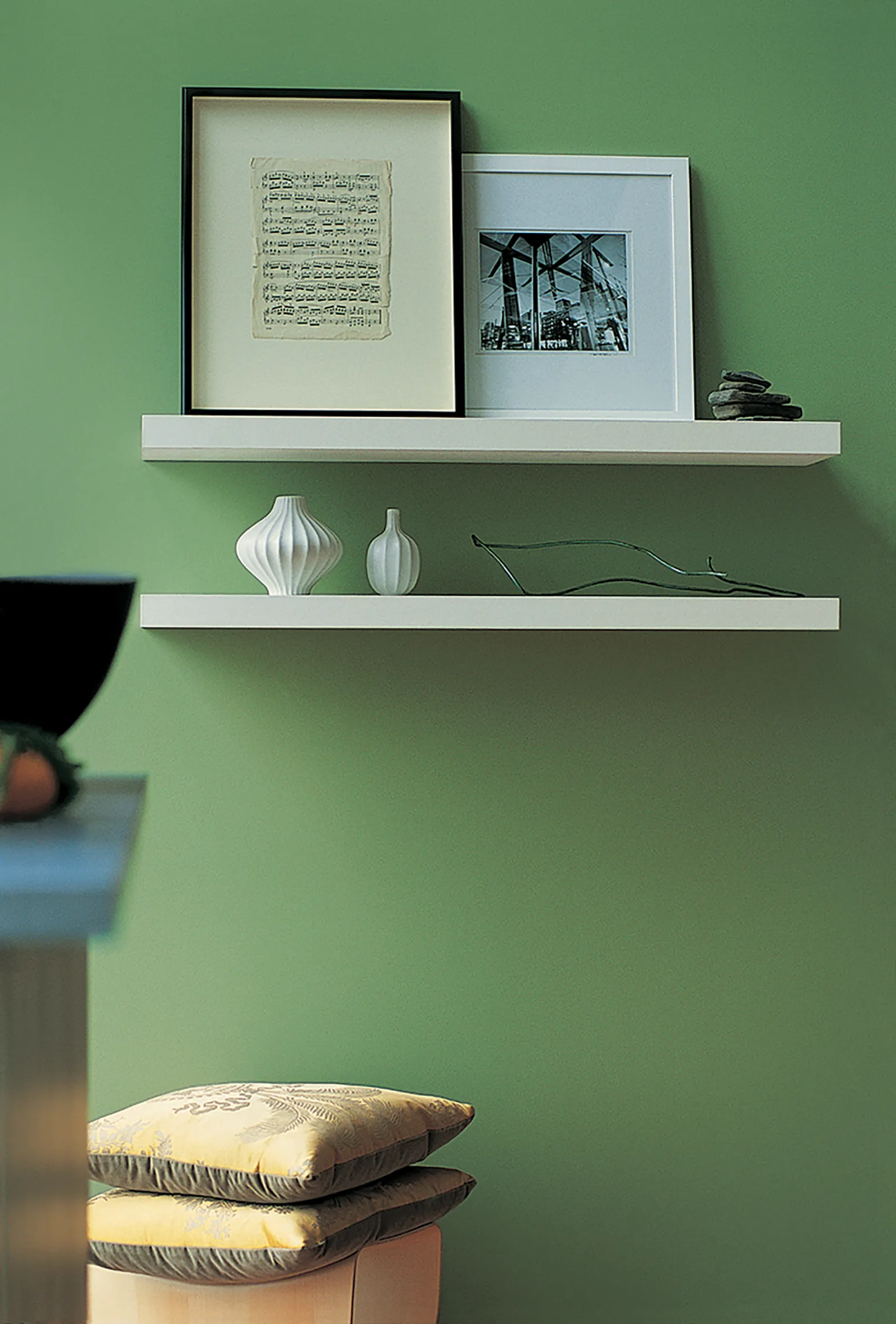
More embellished esthetic styles can include rooms planned around a specific style (French antiques or Tuscan countryside, for example) or a more varied and eclectic menagerie of items (such as combining African masks with Chinese buddhas and Indian textiles). No matter what type of embellished esthetic you choose, here are some potential pitfalls to avoid:
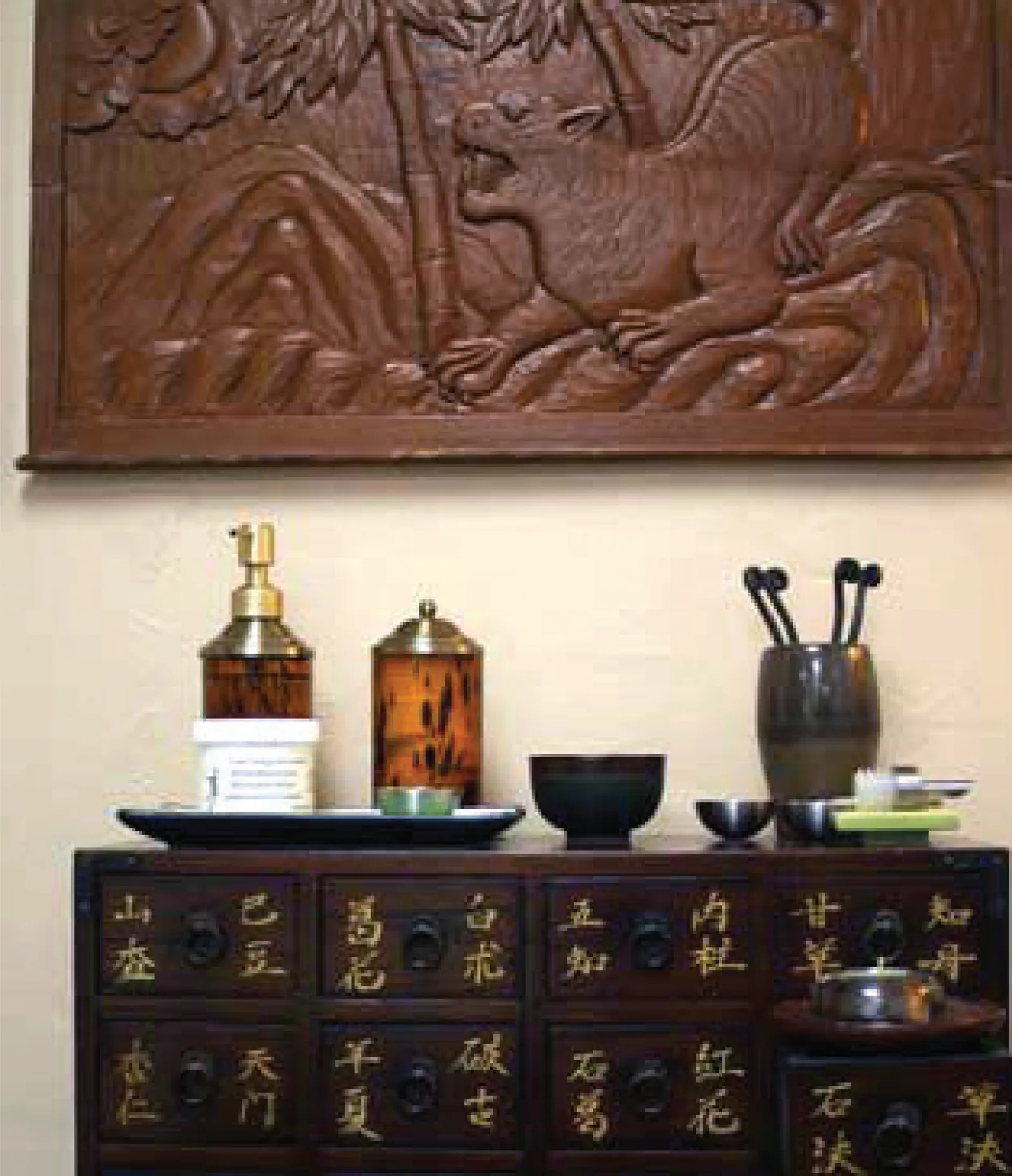
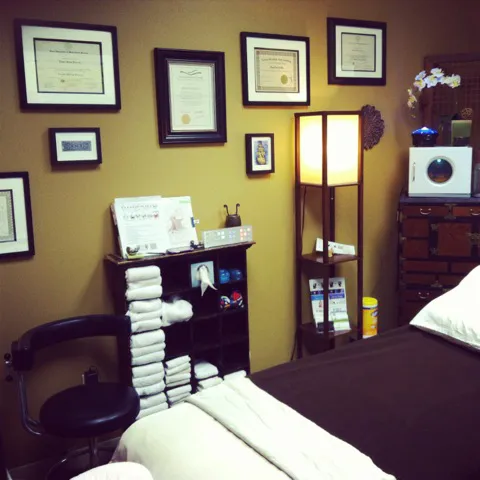
The need for storage is something a lot of massage therapists tend to underestimate. If you have a closet in your room, that’s great. However, for those without built-in storage available, what I’ve found to be the most efficient solution is a chest of drawers (see top right). I use the top surface as a work space (where I can place my hot stone heater, my hot towel cabinet, and all of my lotions and potions), and the drawers are filled with supplies, linens, and other necessities kept tidily out of clients’ view.
There’s a lot to be said for having quick and easy access to linens and other supplies you use frequently throughout the day. Grabbing clean sheets from a drawer a few feet from your massage table, versus having to walk into a separate room to get them, can mean the difference between being ready or not when your next client arrives.
Not only is it important to keep supplies out of sight for the sake of tidiness and professionalism, but your state massage board’s requirements may mandate that certain supplies like linens be stored in a closed drawer or cabinet, as opposed to on an open shelf where they can collect dust. Familiarizing yourself with these requirements will help you be compliant and save you the hassle of being fined or penalized in other ways.
If you find yourself inhabiting a very small massage space, choose multipurpose furnishings over pieces that serve only one function. Each and every piece you bring into your environment must earn its keep. Look around your room: apart from essential equipment like your massage table, how many items serve only one function (or worse, no function)?
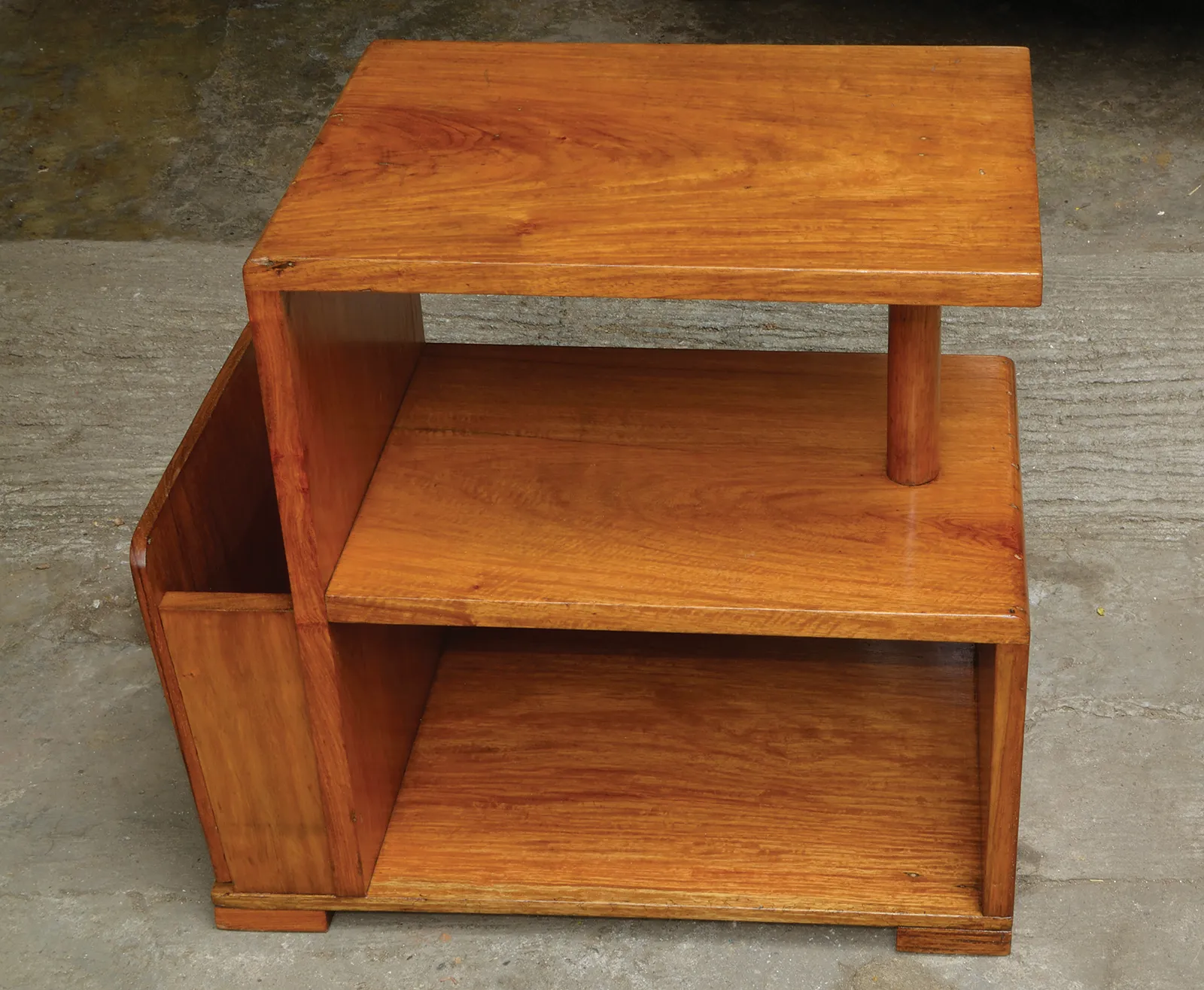
Take, for example, the two tables shown (see bottom right). Both have the same purpose, but the table with shelves is going to provide much more functionality than the one without. While you may prefer the look of the table with no shelves, you must allow practicality to trump your esthetic inclinations if you want to make the most of a small space. If you have plenty of room, that’s another story.
Diplomas and licenses both offer the opportunity to proudly announce to your clients that you’ve completed certain training and that you’ve been recognized by your state or other regulatory body as having met professional requirements. What better way to instill confidence in your clients? When framing diplomas, licenses, and other types of professional certification, always choose substantial, quality frames to give them their proper respect and to convey to clients that your accomplishments deserve recognition.
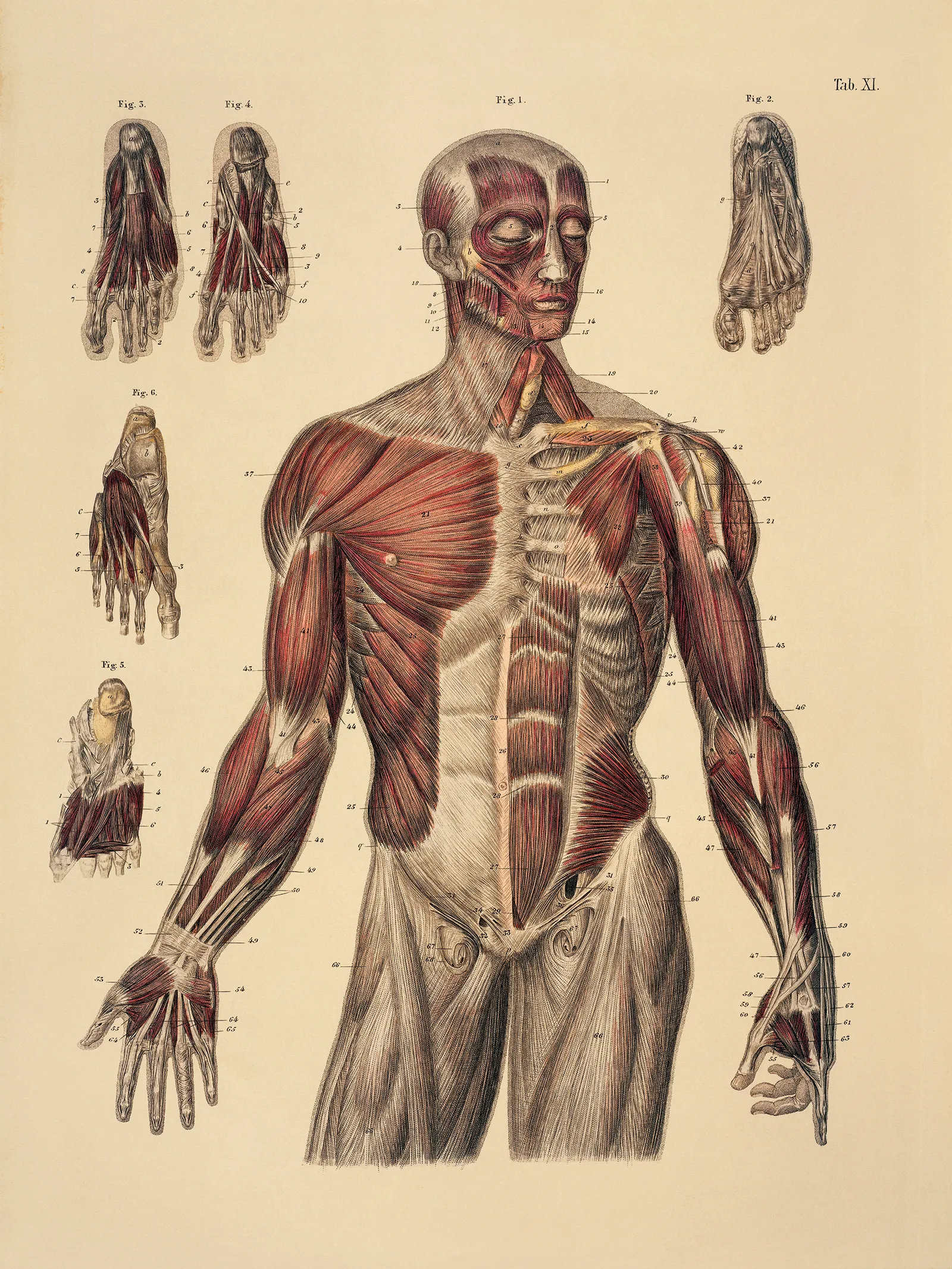
Technical charts, graphs, and diagrams can be more difficult to incorporate into a soothing and cohesive interior design. The colors can often be difficult to work with, and sometimes the imagery isn’t very pretty (anatomical models of the body’s interior are not the most handsome “pinup boy” for most of our clients).
However, these charts often play an integral role in assisting us in our work and can be invaluable when explaining something to a client. They also lend an air of authority, seriousness, and respect to your space. Therefore, even though they may not be the most attractive element in my treatment room, for me, their presence is non-negotiable. While I like to offer a spa-like environment, I can’t let the esthetics of my space get in the way of doing my job.
If you have charts you need to keep visible, here are a few options to consider:
However you decide to display your charts, they should be located in a place that serves your needs. If you know you have to reference them often, putting them behind a curtain on the far side of the room isn’t a functional solution for you. In my treatment room, I’ve made sure the trigger-point chart for the head, neck, and upper body is located near the head of my massage table, and the chart for the hips and lower body is near the other end. This may seem like common sense, but when decorating a massage space, it’s easy to lose sight of little details like this.
When my husband and I signed the lease on our first massage office, we had a shared room and a miniscule budget. You may find yourself in the same boat, needing to set up your massage space on the cheap. If so, these tips will help you put some pizzazz into your practice without breaking the bank.
1. If you’ll be painting, consider asking for “mis-tinted” paint at a home improvement store. These are paints that were mixed incorrectly and didn’t turn out exactly the right color. You’re likely to find a shade that will work great for your project. I’ve purchased 1-gallon cans of mis-tinted paint for as little as $5, and 5-gallon buckets for $20.
2. Many museum and gallery gift shops operate online stores where they offer affordable posters and prints of famous art pieces in their collections. (Did you know you can even browse the gift shop of The Louvre in Paris online?) If you’d like to make a reproduction of a piece of your own artwork or a favorite photo, you can create a customized canvas print quite inexpensively using local or online sources.
3. Purchasing secondhand items can save you a bundle. Craigslist, thrift stores, garage sales, flea markets, estate sales, and local classified ads can be great sources. Prices are usually negotiable, especially on Craigslist, if the item has been listed for some time and the ad is due to expire soon.
4. When shopping garage sales and estate sales, note that Fridays are usually the first day of the sale, so you’re likely to find the best selection then. However, by Sunday, you’ll have a better chance of negotiating the prices.
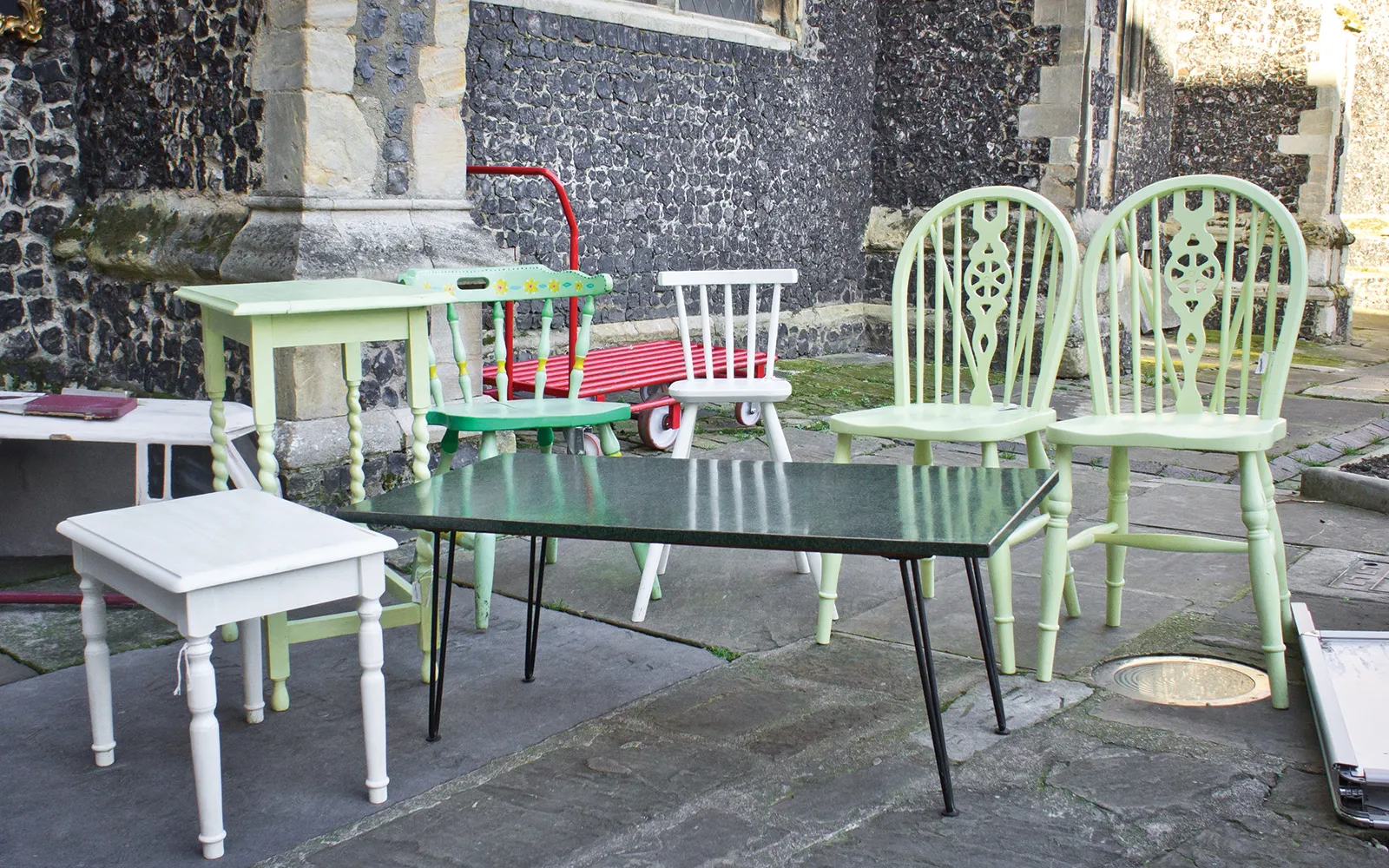
5. Before shopping for décor elements, create a “look book” that includes photos and measurements of items you’ve already acquired, samples of your color scheme, swatches of fabrics, paint chips, and other visuals you can reference while shopping. This helps ensure you’ll only purchase items that will fit into your design (both esthetically and dimensionally). Pinterest is a digital way to collect photos of items you admire, plan to purchase, or already own. Whipping out your phone or tablet at the store, perusing your “pin boards,” and comparing prospective purchases with items that have already staked their claim in your design can save you tons of money and time.
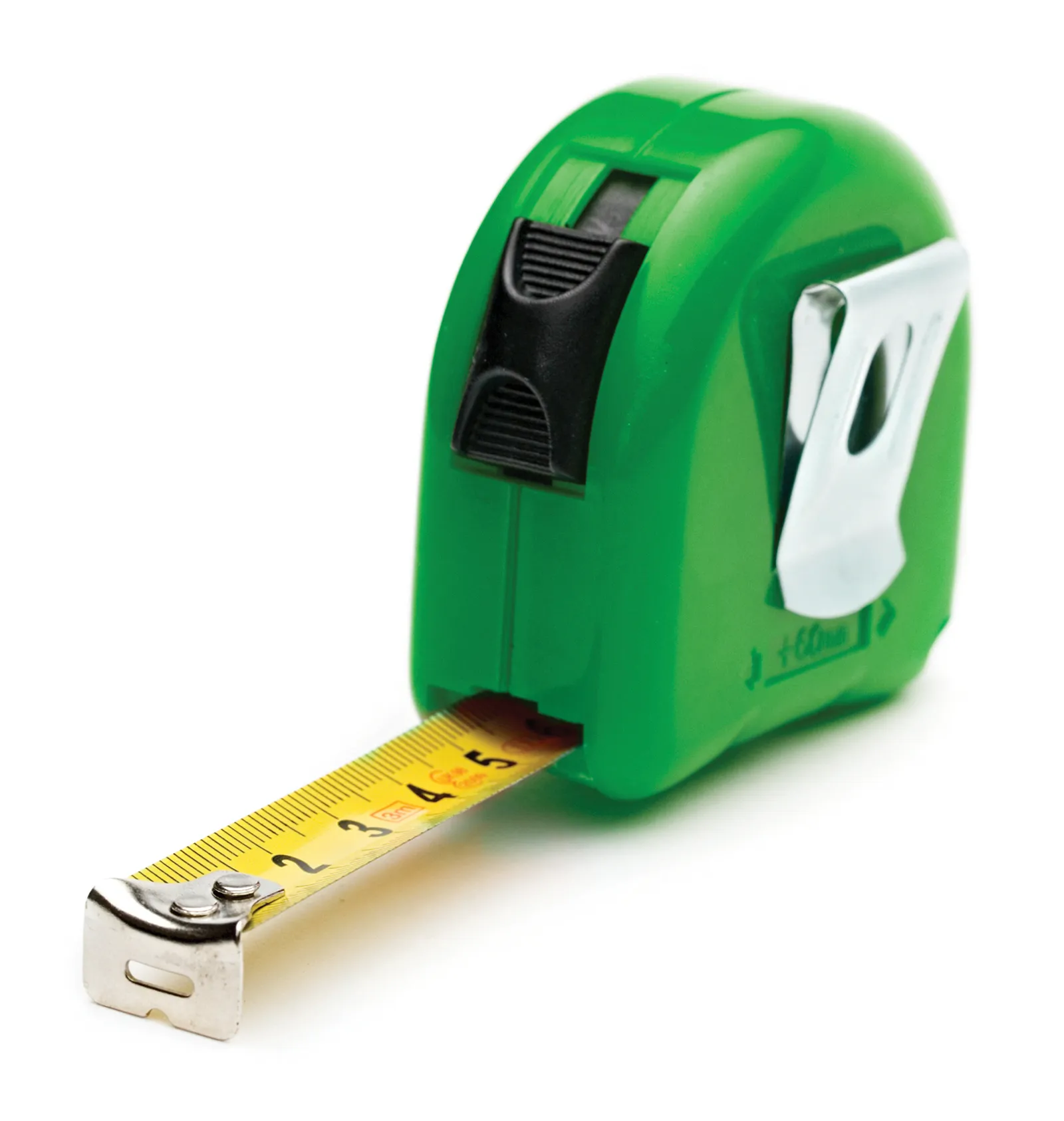
6. In the same vein, be sure to have all your room measurements when you go shopping. Knowing the width of that wall space next to your treatment room door, the measurements of the available footprint for a chair, or the height of the shelves in your bookcase can help you make informed, dynamic decisions regarding purchases and prevent wasted time returning items that won’t work in your space.
7. Be armed with a camera when you go shopping. Taking photos of pieces you like, even if you don’t buy them right then and there, will provide inspiration and help you decide whether they’ll really work for you.
8. Freecycle.org is a fantastic resource for thrifty decorators. This nonprofit is dedicated to connecting people who own stuff they no longer want with people in the same local community who would love to have that stuff. It’s like Craigslist, but everything is free!
9. Trading services for items you need is another economical way to outfit your massage space. Put the word out to clients that you are in need of specific items and offer them a free massage, a discount, or an upgrade in exchange for their castoffs. Include this offer in your client email newsletter, or spread the word via cleverly designed flyers.
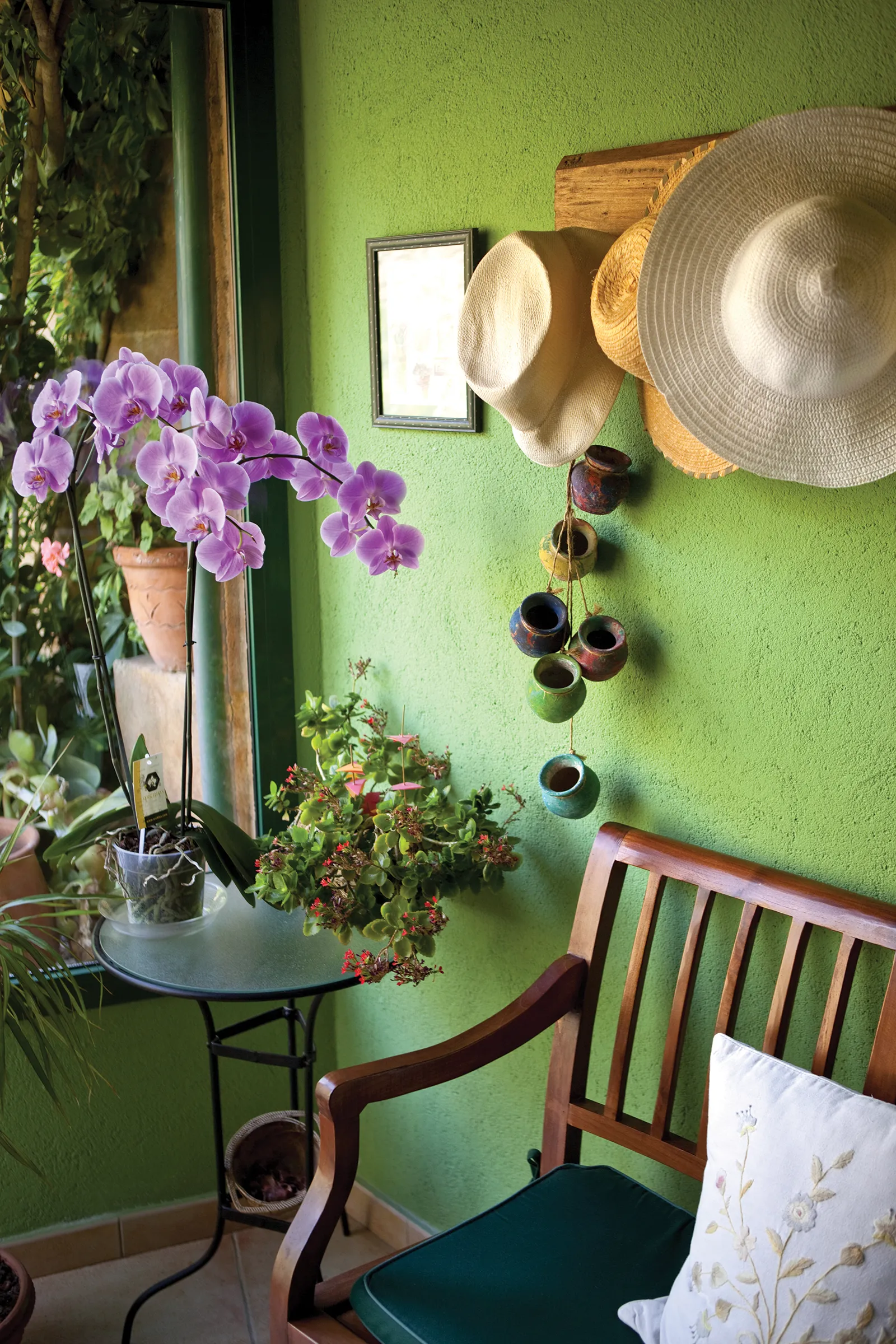
10. Swap parties are a fun way to collect the items you need. Invite friends over and ask them to bring décor and houseware items they no longer want. Collect a bunch of your own belongings you are ready to purge, and enjoy a fun evening of swapping. Everyone is bound to go home with some new treasures and no money will have changed hands! You can even gather wish lists from everybody to send to all guests before the party.
Give yourself the credit you deserve when considering a price increase.
Selling products can help support client outcomes even after they leave your treatment room and can provide a profit boost for your practice.
Through ABMP, members now have access to a streamlined, modern solution designed to help clients find and choose you more easily.
Receiving bodywork provides an important reminder of what to do (and what not to do) in your practice.