
Pricing Is an Identity Issue, Not a Math Issue
By
Elicia Crook
Give yourself the credit you deserve when considering a price increase.
When you get in your car and drive to a neighboring state, your driver's license is still valid and recognized there without any need for another license. This is because states have a provision that allows licensed drivers to move freely from state to state. But is your massage license still valid when you cross a state line or move from one state to another?
License reciprocity—or the ability to practice your profession in one state based on holding a license in another—has different meanings for different professions.
True reciprocity does not exist for massage licensees. Your state license, even your national certification, does not allow you to practice massage freely outside your state. Most of the time, a license in the new state must be obtained before you can legally work as a massage therapist. This means filling out an application, paying fees, submitting additional paperwork (license verifications, transcripts, or exam scores), and displaying a lot of patience.
In the massage field, we often use the word endorsement instead of reciprocity when talking about transferring a license to another state. Endorsement refers to the process by which a licensed massage therapist from one jurisdiction (state) becomes licensed in a new jurisdiction (state). For instance, a state board may grant a new license if the massage therapist's previous license was held in a state or jurisdiction where the licensing requirements are equal to, or exceed those of, the new state.
If you are moving, most state massage board websites have instructions for out-of-state applicants applying for a license by endorsement.
Even with endorsement, the process of obtaining a new massage license can be complicated and expensive. Regulation of massage varied drastically in the past, and it has since changed rapidly. Here are some of the problems frequently seen due to these rapid changes.
When establishing massage laws and rules, some states issued licenses to applicants who had no formal massage training. It is very difficult for these people to transfer a license, due to their lack of minimum training hours and passage of licensing exams. This means people who were grandfathered into licensure and have safely practiced massage for 30-plus years have a difficult time continuing to practice massage if they move, unless they return to school.
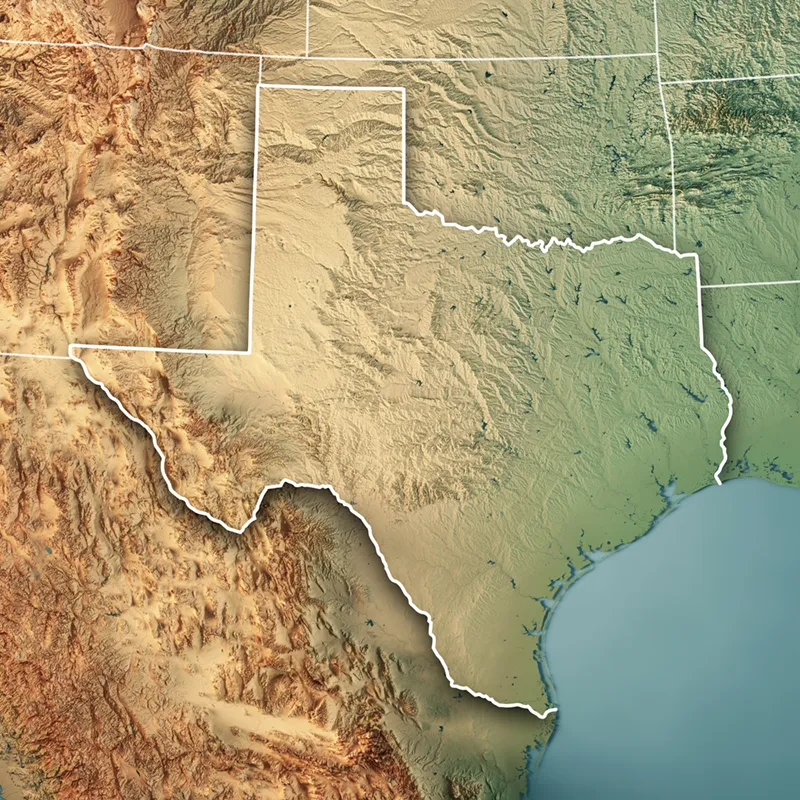
Most states require completion of a minimum of 500 hours of training. A few states require 600, 750, or 1,000 hours. So, what happens when a massage therapist in Texas, where the requirement is 500 hours, moves to Arizona, which requires 700 hours? It is hard to say. Every state is different.
Florida, for example, makes no exceptions for training hours. An applicant must complete 500 hours of training, regardless of experience.
If you do not meet the minimum hours of training for the state in which you wish to obtain a license, contact that state's board office to see whether they accept applications for a variance.
True reciprocity does not exist for massage licensees. Your state license, even your national certification, does not allow you to practice massage freely outside your state.
By Laura Embleton and Nancy Potter
From 1996 to 2016, the primary government relations energies of Associated Bodywork & Massage Professionals (ABMP) were directed to states initially adopting statewide regulation of massage therapists. We worked for regulation fairly balanced between public protection and equitable treatment of massage therapists, including grandfathering provisions for long-established practitioners. During that period, the number of states regulating massage grew from 20 to 46. More recently, ABMP government relations staff has spent its time advocating for our members in states adopting establishment licensing laws and implementing regulations. It's a dynamic, evolving universe. ABMP never loses sight of fair, reasonable rules for massage practitioners.
ABMP's position on license portability is that massage therapy licenses should be fully portable between states. However, most state massage boards are currently very concerned about fraudulent massage license applications, and, as a result, are increasingly requiring out-of-state licensees to satisfy the same license application requirements as people getting a license for the first time. We work with state massage boards whenever there is an opening to do so to increase license portability, but we face strong headwinds in the current board climate.
Currently, the MBLEx is the entry-level licensing exam required by most state massage boards. One of the missions of the Federation of State Massage Therapy Boards (FSMTB), the administrators of the MBLEx, is:
"Support efforts among member boards to establish compatible requirements and cooperative procedures for the legal regulation of massage therapists in order to facilitate professional mobility and to simplify and standardize the licensing process."1
However, not every state currently requires completion of an entry-level licensing exam like the MBLEx. Also, there are still a few states that use their own licensing exam in lieu of the MBLEx. For example, Massachusetts did not require a licensing exam for applicants until 2010. If a Massachusetts massage therapist (licensed before 2010) wants to work in Connecticut, according to the Connecticut licensing requirements, the applicant will need to show proof of passing the MBLEx.
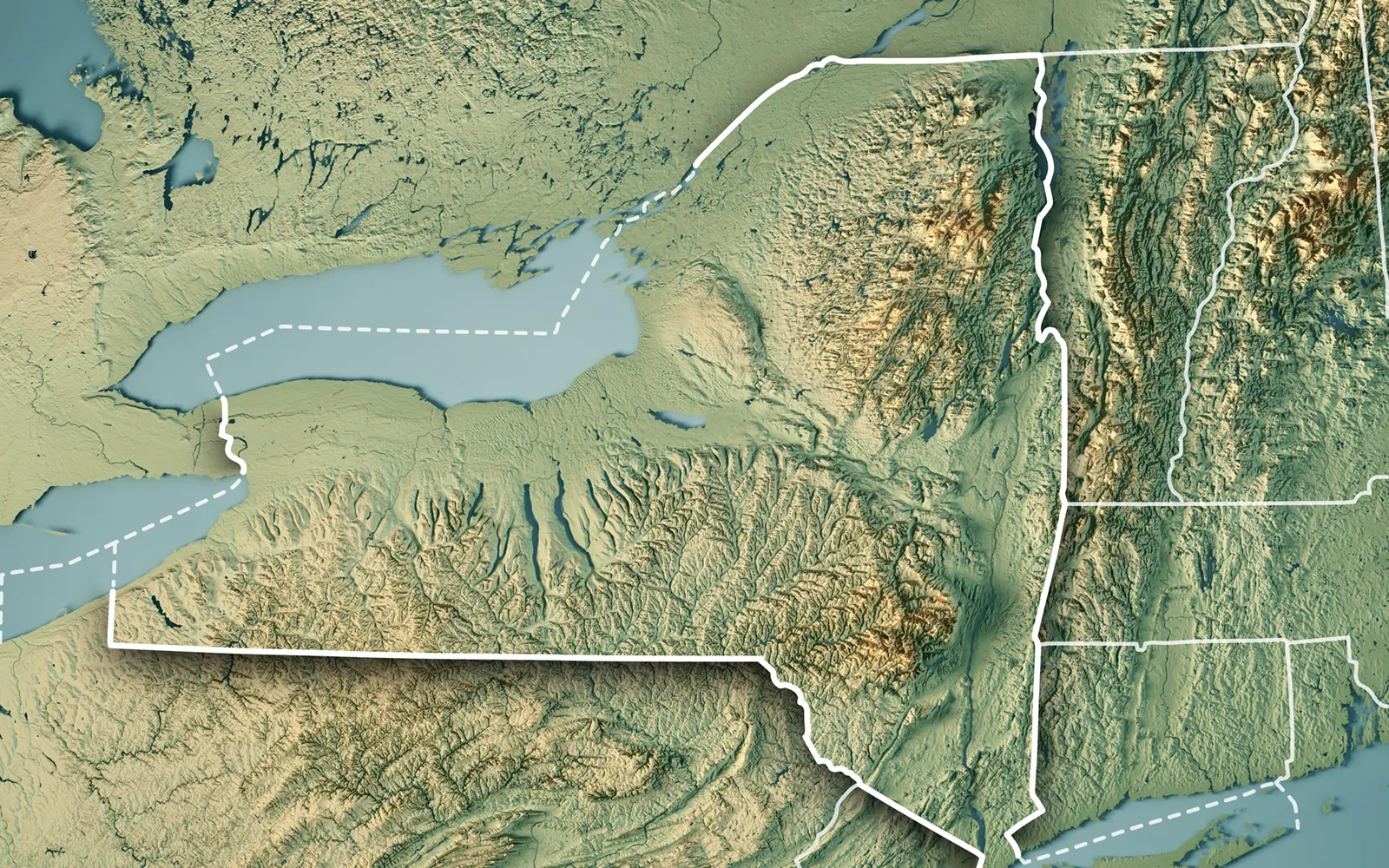
Hawaii and New York still have their own state licensing exams. Anyone moving to either of these states must take the state massage exam, even if they previously passed the MBLEx or NCETMB.
The good news is that for most states, you will not need to take a licensing exam again. Your exam scores from a previously passed licensing exam (like the NCETMB or MBLEx) can be "reused" when applying for a new license. It just requires a small fee and filling out a mobility form.
The best thing to do when considering a move is to look at the state board of massage website and application (available at www.abmp.com/practitioners/state-requirements). If you have questions about specific requirements, call or email the state board office. Board office employees have heard nearly every situation that exists in the massage field and will provide you with the most up-to-date information.
Here are a few examples of requirements you may need to complete, along with a new application and license fee.
Florida: 10-hour Law and Rules course
Texas: Juris Test
Background screenings (several states)
Washington: Four-hour HIV/AIDS course
Oregon: Practical exam
Yes! One license does not negate the other. If you are living in New York and plan to spend winters in Arizona, there are no regulations that say you can only have one license.
The number of states that do not require licenses is dwindling. Only a handful remain. States without licensing may still regulate massage or massage establishments at a local level.
In 2017, the Council of Nursing Boards (similar to FSMTB) announced the creation of the Nurse Licensure Compact (NLC, www.ncsbn.org/nurse-licensure-compact.htm). The goal of the NLC is to increase access to care (telehealth or disaster response) while maintaining public protection at the state level. Under the NLC, nurses can practice in other NLC states without having to obtain additional licenses. About 30 states currently take part in the new compact.
Is something similar to this possible in the massage field? With regulations currently all over the place, it is hard to imagine that a similar compact could exist for massage professionals anytime soon. However, wide acceptance of the MBLEx certainly has opened the door to the possibility of license portability. Only time will tell whether it becomes a reality.
1. Federation of State Massage Therapy Boards, "Mission and History," accessed November 2018, www.fsmtb.org/about-fsmtb/mission-and-history.
By Laura Embleton and Nancy Potter
Give yourself the credit you deserve when considering a price increase.
Selling products can help support client outcomes even after they leave your treatment room and can provide a profit boost for your practice.
Through ABMP, members now have access to a streamlined, modern solution designed to help clients find and choose you more easily.
Receiving bodywork provides an important reminder of what to do (and what not to do) in your practice.