

Pricing Is an Identity Issue, Not a Math Issue
By
Elicia Crook
Give yourself the credit you deserve when considering a price increase.
What constitutes professional success in the field of massage and bodywork? Is it a six-figure income? Is it a collaborative partnership with the medical community? Is it professional fame?
Only the individual therapist can define what success means in these terms. But success measured by longevity is much less subjective. A therapist who stays comfortably in practice for decades has clearly found a successful path: it’s impossible to fake a 40-year career.
So, what does it take to achieve professional longevity? Let’s hear from some longtime massage therapists and bodyworkers who have paid their dues, found great success, and collectively helped thousands of people live a healthier, pain-free life. How did they get there?
Don’t tune it out just because you’ve heard it a million times: self-care is critical to your professional success. “Self-care is a big component of [doing good work],” says Colorado-based massage therapist and educator Clint Chandler.
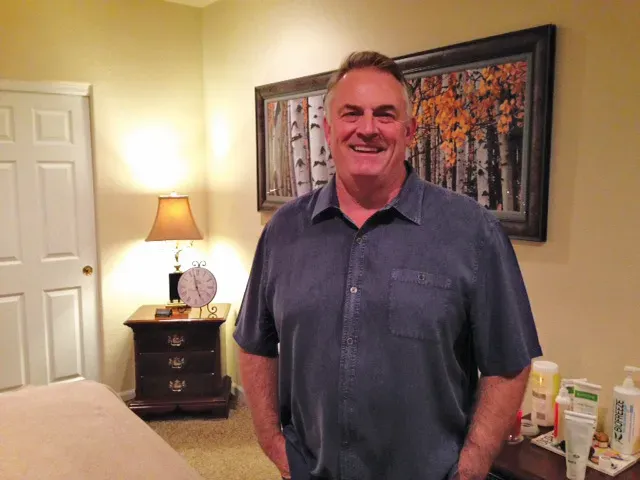
Chandler, who owns and operates Corrective and Restorative Massage Therapy Services in Boulder, has been practicing and teaching massage since 1990. He knows the importance of self-care from personal experience. Quite simply, if you can’t take care of yourself, how can you possibly care for others?
“Getting bodywork is a big thing for me,” Chandler says. But it wasn’t always that way. “I didn’t do that in my early years. I didn’t have the time or the money in the beginning.” Today, though, Chandler trades services with three bodyworkers, all former students he’s mentored over the years. “We help each other out. It’s a big component of my longevity.”
Client care also begs for attention, and finding a balance between the two is a true art form and a real predictor of success as a practitioner. “It all starts with the very first client who walks through your door,” says Chandler, who won the 2002 Jerome Perlinski National Teacher of the Year award during his tenure at the Boulder College of Massage Therapy. “With our short attention spans, being fully present with that client for the whole hour is no easy task,” he says. “It’s a hard thing to teach, but I think it’s inherent in each person. You can tap into it. The caution is that you don’t have too much giving and not enough getting back. Self-care comes from figuring out what you need to balance that out.”
As a longtime educator and a member of the profession’s Entry-Level Analysis Project (ELAP) work group, Chandler says he worries that some new therapists don’t set their self-care boundaries or realize their limitations soon enough. “Sometimes these young people get into jobs where they are worked eight hours a day. Nobody can hold up under that. It’s not a profession where you can do 40-hour weeks. Those are the people who don’t last after two years. They’re done. Their arms, their fingers, their backs—they’re done.” His advice? Figure out the schedule your body can endure and live by it—it will benefit you and your clients in the long run.
Moral of the story: Walk your talk. Book your massage today and your vacation tomorrow. Encourage your clients to do the same. Don’t try to be a superhero. Find the sweet spot between your needs and your clients’ needs and honor that place of balance.
Clint’s Top Tips
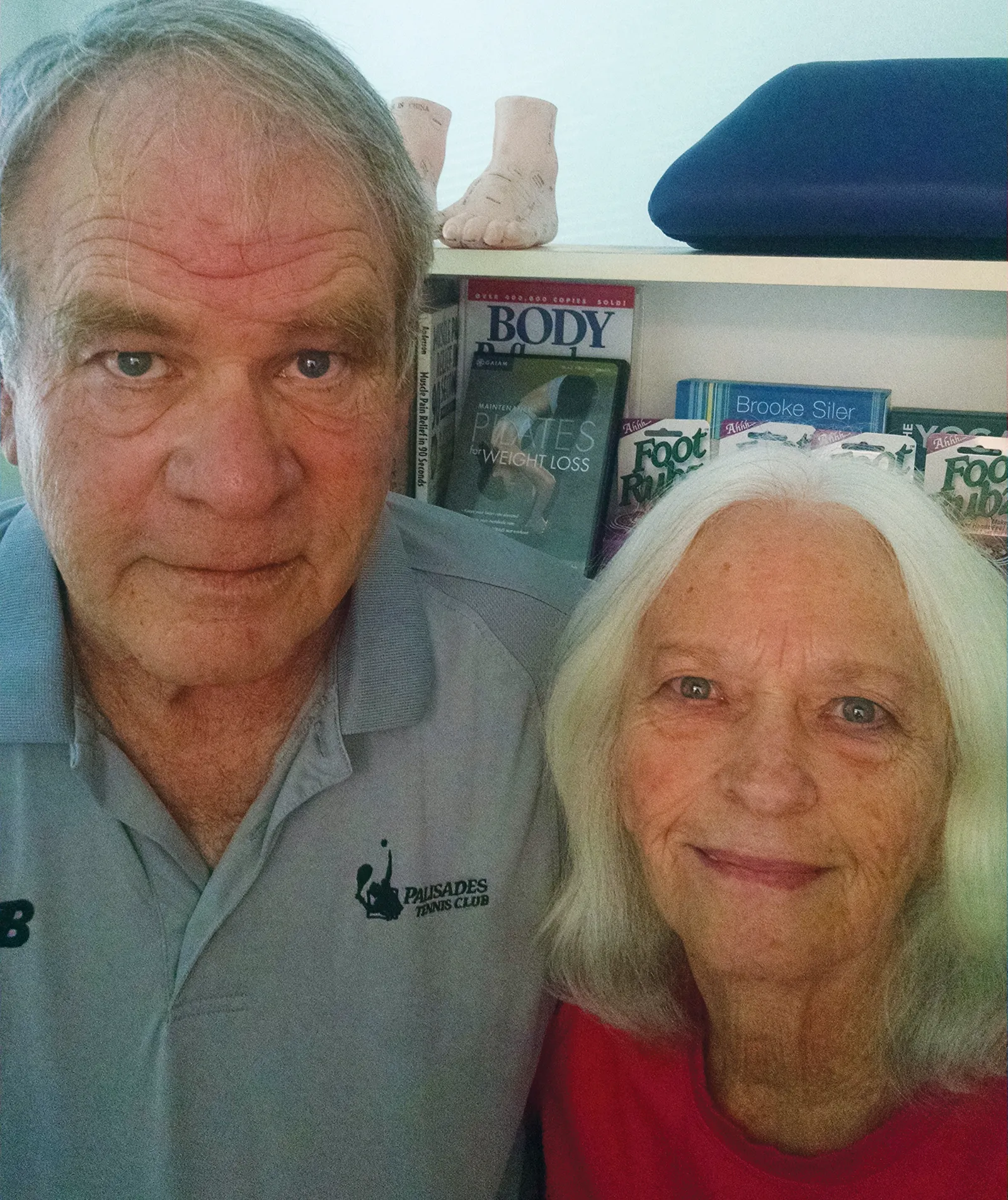
Ken and Alma Carroll’s successful 43-year careers started with a little good luck and a lot of courage. It was 1973, and the couple had been dabbling in massage for a few years, working with clients but mostly as a means to address each other’s chronic pain issues.
When a client told them to reach out to the owners of a new tennis club being built in Newport Beach, California, the Carrolls were hesitant. “We didn’t think we had the confidence to say, ‘If you aren’t considering a massage space, you should,’” recalls Alma. But they found the confidence, reached out, and before the couple knew it, construction plans for the John Wayne Tennis Club were revised to include space for a massage therapy room.
“Very few places had massage therapy at the time, let alone a husband-wife team,” Alma says. “We were fortunate; we were willing to go where we had to go. The doors opened for us.” It didn’t hurt that John Wayne himself was an advocate for massage. Although owners have come and gone over the years, and the facility is now called the Palisades Tennis Club, the Carrolls continue to practice there today. “We were at the right place at the right time.”
Alma says people need to think creatively about what they want to do. “If they have the right education, the right experience, the right motivation, the right vision, anyone can find places to start a practice within a facility. Anyone who has the heart to do it can create a pathway for themselves in this industry.”
Courage was also a factor in helping the couple overcome the stigma massage battled over the years. Even within the athletic environment of the tennis club, the “wink-wink” attitude prevailed. “The jocular attitude of a lot of the men about a guy being a ‘masseuse’ was very difficult for me,” Ken says. “Over time, that mentality has dissolved, but in the ’80s, massage was almost a joke for a lot of people.” Still, there were those who understood the benefits, including a lot of politicians and Hollywood types who visited the club. “Ken had a lot of powerful people he worked on,” Alma says. “They were very dedicated to him.”
Today, the couple continues to work on notable tennis players (including Maria Sharapova), as well as housewives, college students, and anyone else who ventures into the tennis club. Each day, one or both of the Carrolls will trek the 60-mile (one-way) commute to their office.
“You have to have a heart for it,” Alma says. “People who embrace the work and its application for helping others—I think those are the ones who are going to stay in the work the longest. The money is what pays our bills, but what keeps us coming back is the positive feedback. When our clients regain their wellness and confidence, we enjoy being a part of that. It never gets old or boring when you are able to provide services of aid and comfort to another person.”
Moral of the story: Don’t be afraid to dream big, tell others why they need you, or boast about your good work.
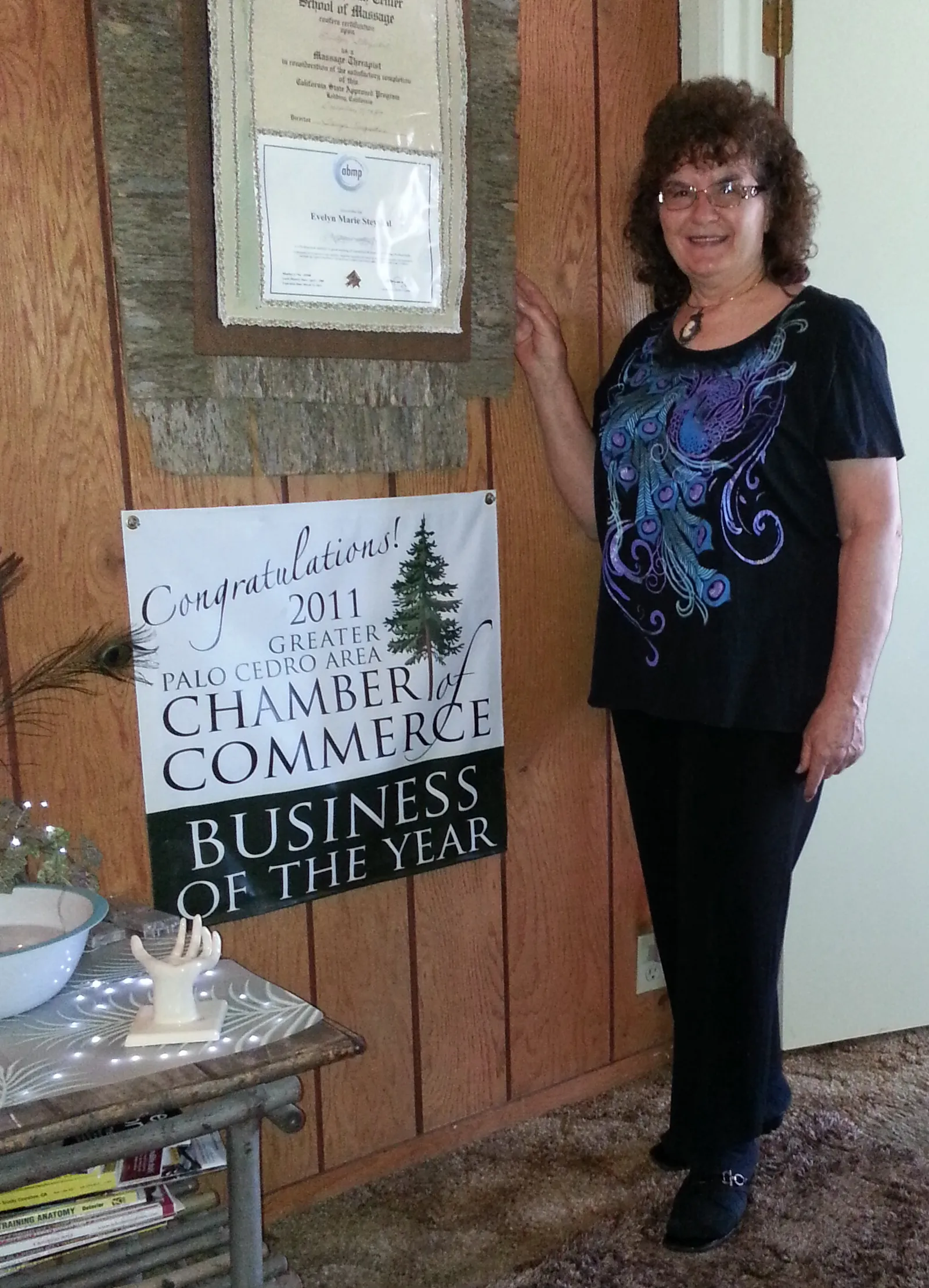
After 25 years as a floral designer, Evelyn Steyskal wanted to pursue greater challenges in life and set out for a second career in massage therapy at the age of 43. In December, after nearly 27 years serving clients, Steyskal put her massage table away for the last time and began her retirement at age 70. She decided it was time to travel, see family, and enjoy her good health. She’s earned it. “I’ve been on a steady, five-day-a-week schedule for a long time.”
Steyskal says she’s seen massage flourish and flutter through good economic times and bad. She watched the massage school she attended open and close, and she’s seen the number of therapists in her small town of 1,200 peak at 13. They’ve come and gone, but Steyskal has remained.
From the beginning of her career, Steyskal worked hard to build her client list. It wasn’t an overnight success, but a slow, steady ride. “I started in my home, bought all the equipment I needed, and sent out letters to all the friends and businesspeople I knew personally to see who would want to try massage. I knew I could always close up shop and do something else if it didn’t work.”
Steyskal’s business, Cameo Massage, grew through word of mouth, and in 1988 she decided to lease an office space in Palo Cedro, California. She’s been there ever since. “It’s the perfect size, with enough room for one table and a waiting room.” And it’s been filled with clients since the first day she opened her doors.
In fact, Steyskal says 75 percent of her clients have been with her 20-plus years. And she’s still turning clients away even today. “I figure I must be doing something right.”
And what’s kept clients clamoring for more of Steyskal’s hands-on work over the years? One component of massage therapy Steyskal has especially embraced is its artistry. “When you’re working on someone, it’s almost like painting a picture—working the grooves of the muscles, the curves of the body; it is artistic.” After nearly three decades, Steyskal is still able to recognize the simplistic beauty in the work she does, the artistry it entails, and the appreciation her clients have for her as a result. She says these are the aspects of bodywork she’ll miss the most in her retirement.
Moral of the story: Be persistent in your quest for success. Don’t let challenges hinder your forward progress, but also be realistic in the journey—it doesn’t happen overnight. Have faith in the work you do, and remember it’s not only a place of science that you’re working from. Massage is also a craft reliant on artistry and compassion.
1. “Take care of yourself. Eat right, exercise, drink water, and get massages. I get a 1½-hour massage once a week; I’ve been trading with someone for 20 years.”
2. Consider your tools. “I’ve had an electric table since 1999. It’s easier for the client and for me. It’s been a lifesaver. I also wear Z-Coil shoes and have a Body Support System I’ve been using for more than 18 years.”
3. Build a calm, relaxed pace into your work. “I space out my massages so I can take a walk outside. I try to put 20–30 minutes between clients, giving me time to change the sheets, answer the phone, and refresh the room.”
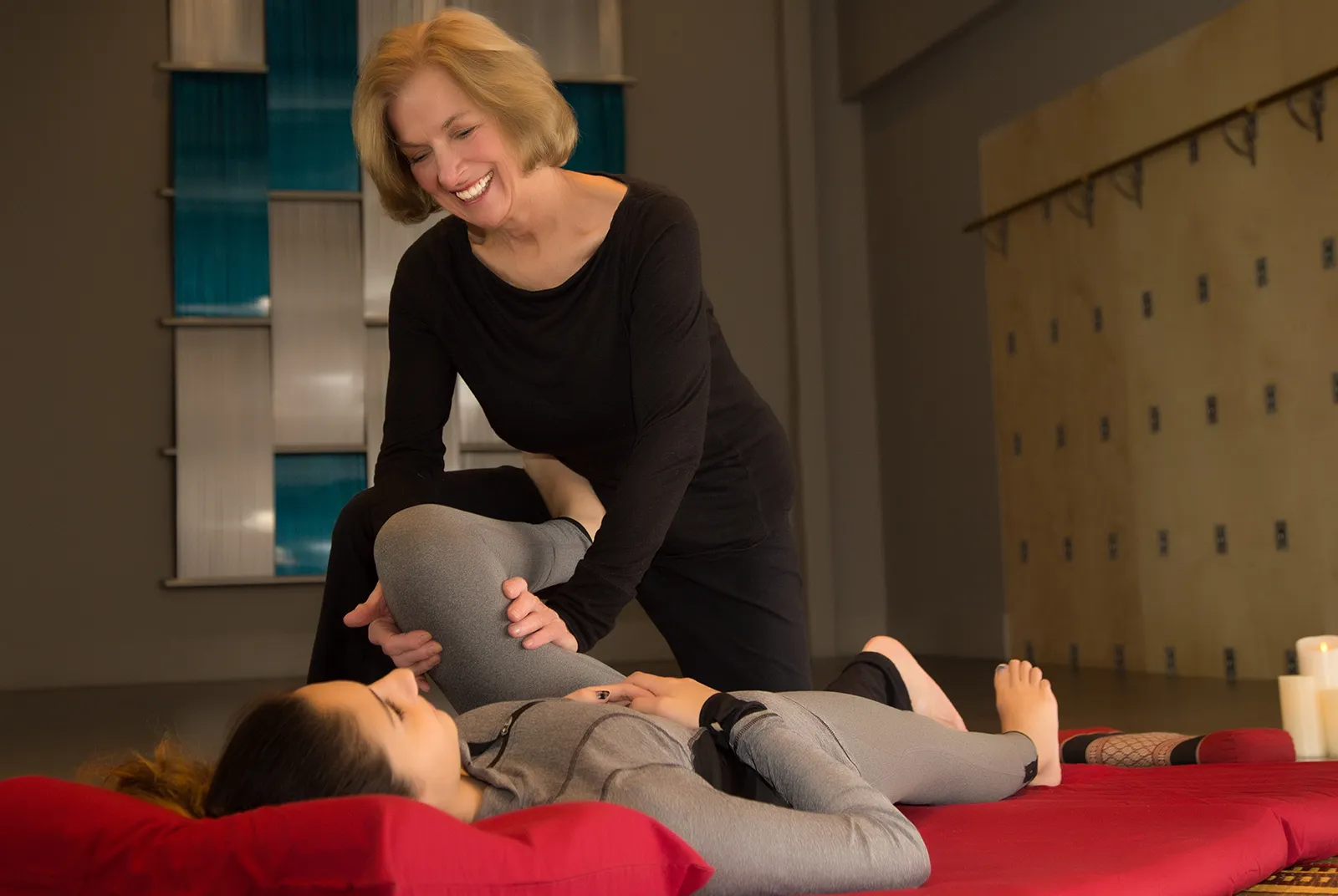
“Do what you love, love what you do.” Prema Lindsay Smith, owner of Inner Balance Therapy in Ann Arbor, Michigan, readily admits she is fortunate to live by this mantra. “I believe this path chose me,” Smith says of her 42-year career as a massage therapist and educator. In fact, the path may have been unveiled to her during a yoga retreat in New Mexico, before she ever considered massage as a profession. “We were in silence and the yogi walked by me, stopped, looked right into my eyes and then at my hands. He said, ‘You will be a good healer.’” It was soon thereafter that Smith officially began studying Swedish massage through a mentoring relationship in 1972. “I thought it would be an interesting adventure for a short period of time,” Smith says.
Now, having taught with and assisted some of the profession’s most notable educators (including the late Robert King, cofounder of the Chicago School of Massage Therapy), and adding nearly 2,000 hours of continuing education to her repertoire over the last 42 years, Smith says the profession continues to nourish her. “I am grateful that I can assist people to become healthier, and to be a positive influence in my clients’ lives,” Smith says. “In return, I have learned to take better care of my health, and to become more diligent to be authentic.”
Throughout her lengthy massage career, Smith has found ways to add fuel to her fire when needed, including earning a nursing degree and working in that field for 16 years, while still practicing massage.
She says it’s her passion for learning that keeps her content, and her massage clients are her best teachers. “This profession nourishes my thirst to continue my education and my practice for many more years to come.”
Just as massage fuels her passion, Smith says it can offer something more for clients, too. “Massage can be more than something on the client’s to-do list, and more than short-term pain relief. It can be instrumental in assisting the client to gain a holistic meaning to life that works [to bring health to] their body, mind, and spirit. In this light, massage and bodywork provide something that is both sacred and secular, whose effect can persist long after the session ends. It is this perspective, and my clients’ dedication to wellness, that has sustained me through the decades.”
Moral of the story: Think about why you’ve chosen this path, then be true to the work. Appreciate it. Be authentic.
While there are handbooks and websites full of ideas about being a successful therapist, no business plan or marketing opportunity will make a difference if you don’t first have the basics these veteran therapists describe. A balance between self-care and client care, the courage to create opportunities, perseverance for the long haul, and being passionate about the work you do—these make a great formula for success. Ready to give it a try?
Give yourself the credit you deserve when considering a price increase.
Selling products can help support client outcomes even after they leave your treatment room and can provide a profit boost for your practice.
Through ABMP, members now have access to a streamlined, modern solution designed to help clients find and choose you more easily.
Receiving bodywork provides an important reminder of what to do (and what not to do) in your practice.