Having spent hundreds of hours facilitating cadaver labs, one of the most universal insights participants share is that even though what’s on the table contains most of the same atoms, molecules, tissues, and organs as the living person, it’s clearly not the same as a living person—it’s a remnant or an echo, something left behind. But what is the difference between the cadaver on the table and the animated atoms, cells, and tissues in a living being?
Unsplash.
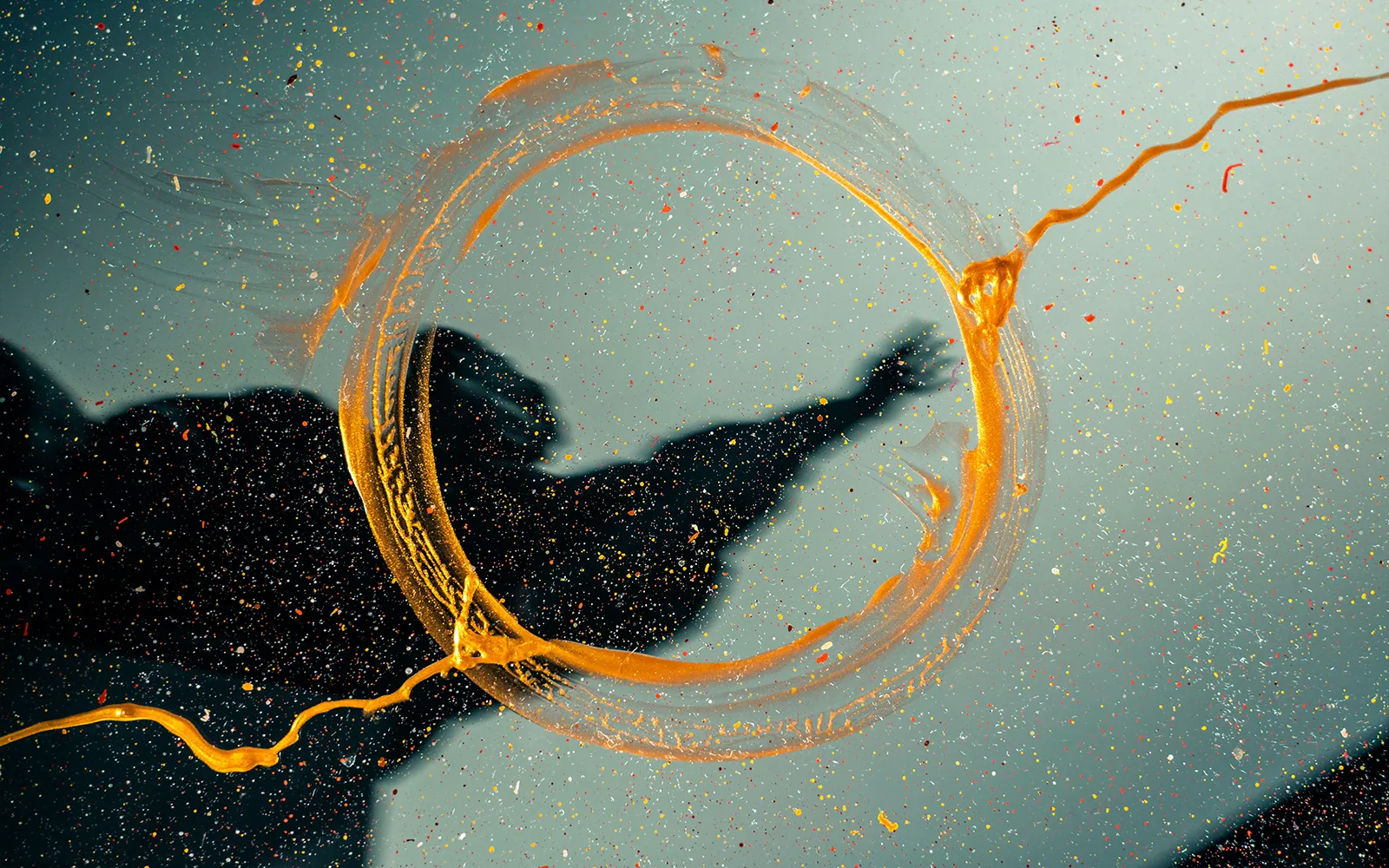
The mystery of life is not about what the body is made of. The mystery of life is how all of our components organize into an integrated whole, capable of self-healing and maintaining life. What is the “force” that animates life? And can we work with that animating force to live better, fuller, more vital lives?
Common Perspectives on Energy
“Energy” or “life force” has different definitions depending on the field or modality, so practitioners hold various intentions in their work depending on their views, which direct what we study, how we interpret what we study, and how we assess and treat clients. Let’s explore some of the most common perspectives on “energy” and how it can be applied in healing.
Prana is a Sanskrit word that means “breath,” though it represents a vital force beyond breathing. In Ayurvedic and yogic traditions, prana is believed to be the infinite energy that fills the universe and sustains life. Prana underlies breath, movement, sensation, awareness, and vitality. It can be impacted by pranayama (breath work practices), yoga asana (physical postures), meditation, diet, and other lifestyle habits. These practices are designed specifically to manipulate prana and the other organizing energies of the body to allow for more harmonious flow and expression of those energies.
Chi is the analogous energy in traditional Chinese medicine. It’s considered to be the force that animates and informs everything. There are different types of chi and different ways of conceiving it, but most models represent it as a continuum of continuously transforming energy. Everything, especially the physical universe, is a temporary manifestation of chi, like a wave taking shape in the ocean and then dissolving back into the ocean. Chi can be affected by acupuncture, herbs, movement practices such as tai chi and qigong, manual manipulation, and other lifestyle behaviors.
Energy Imbalance
From the viewpoint of these systems, “dis-ease” occurs when the flow of life force energy is disrupted or out of balance. It may become stagnant in some areas and excessive in others. Over hundreds (maybe thousands) of years, observant practitioners noticed that energetic dysregulation presented in certain patterns. Healing systems, complete with diagnostic criteria and treatment strategies, evolved from successfully addressing those patterns.
One important element of these philosophies is that the individual is the healer, not the practitioner. The practitioner uses their chosen intervention to facilitate the flow of energy within the client’s system with the intention of activating or optimizing the innate self-healing capacities. It could be through manual manipulation, like shiatsu to stimulate stagnant chi or clear blockages, or more subtle approaches like pranic healing.
Through a Western lens, the presenting patterns of chi or prana disruption often involve components that today might be identified as nervous system dysregulation, immune deficiency, or hormone imbalance. Other symptoms may emerge in a specific system, like musculoskeletal pain or digestive issues, but, as even modern medicine is starting to appreciate, everything is connected.
Anyone who has dealt with idiopathic, chronic conditions can attest to how disruptive they can be to everyday life and how challenging it can be to diagnose and treat when there isn’t a single organ to “fix” or biochemical level to correct. Lifestyle or holistic approaches that address diet, movement, sleep, stress management, integrative therapies, and social support are often significant components on the pathway to healing.¹
Learning Through Science
The term biofield therapies was coined at a US National Institutes of Health Conference in 1992. Biofield was defined as “a massless field, not necessarily electromagnetic, that surrounds and permeates living bodies and affects the body.”² A review of biofield therapy research in 2015 expanded that definition to “endogenously generated fields, which may play a significant role in information transfer processes that contribute to an individual’s state of mental, emotional, physical, and spiritual well-being.”³
The next time you begin to work with a client, ask yourself, “What’s animating these trillions of cells into a unified, vital individual?” Whether you believe in some universal life force or an informational network of complex processes, consider the more fascinating question: Is that field something you can interact with and affect through touch, words, or possibly just your presence?
Notes
These are crude oversimplifications of concepts that are not easily defined through a materialist lens. Prana and chi are expressions of complete paradigms that require immersion to fully appreciate their meaning and significance. Hopefully, we can acknowledge the limitations of our Western viewpoint. One doesn’t have to believe in a life force energy animating everything to recognize the wisdom these ancient systems expressed by treating the whole person—body, mind, spirit, environment, behavior, and beyond.
Rub your hands together vigorously for 30 seconds, then hold them about one foot apart. Slowly move your hands closer together and farther apart and notice the changing sensations between them. Maybe you feel a magnetic pulling or pushing or a sensation of dense static pulsing between your hands.
Now, adjust your hands so they’re no longer facing one another: Move one higher and one lower so you’re pushing into empty space instead of toward your other hand. You will notice those sensations cease. Go back to holding your hands so they’re facing each other, moving them slowly toward and away from one another, and notice what sensations return. There are different theories for what you’re sensing—heat fluctuation, stimulated proprioceptors—but what if there’s an energetic field that we can learn to sense?
To understand tissue-tension barriers, MTs must be constantly present and mindful. Too light and we will not become efficient at creating the healing change that is needed.