Regenerative medicine (RM) is a branch of medicine that focuses on recruiting the body’s own resources to regenerate cells, tissues, or organs. The use of autologous (from the patient), allogenic (from a donor), or synthetic materials to enlist the body’s own powerful healing mechanisms is an idea that has been in use for decades (and much longer, depending on how it’s described). In the last 20 years or so, that so-called RM entered the medical mainstream.
Getty Images.
A Tale of Two Cases
Let’s look at two hypothetical examples that might sound familiar to you.
Scenario 1: Frozen Shoulder
Off-Label Use
Much of regenerative medicine is in investigative stages. Many strategies are considered “off-label” applications right now because the FDA hasn’t approved them, but they are still in common use. Our two cases in the introduction—the woman with frozen shoulder and the man with burn scars—are examples of such off-label use.
Your new client has been dealing with frozen shoulder for many months. Physical therapy didn’t help. A cortisone injection helped for a few weeks, but her shoulder felt worse when it wore off, and she doesn’t want to repeat it. She emphatically does not want to have surgery. So, her orthopedist suggested something she’d never heard of: a single treatment with a platelet-rich plasma (PRP) injection. With some trepidation, she agreed.
Six weeks later, her shoulder has returned to almost full range of motion, and she can reach over her head and behind her back for the first time in a year. She is ecstatic! Her doctor has approved her gradual return to playing tennis, and she wants your help as she reconditions for this activity.
Scenario 2: Mature Burn Scars
Your 40-year-old client was in a kitchen fire as a child and has spent the rest of his life with thick, disfiguring, and movement-limiting scars on his arm and hand. You have worked with him for many months, but the scar tissue is fully formed and does not change with bodywork or any other intervention. He has not wanted to undergo surgery, in case his hand is more limited afterward.
Then his doctor proposes a new approach: Samples of his blood and fat cells are processed to create PRP with adipocyte stem cells. Then his scar is prepared with tiny incisions and needling. The processed fat and PRP are injected into the area, where they promote the growth of new blood vessels and remodeling of the connective tissue fibers. The procedure has to be repeated several times, and this is combined with physical and manual therapy—that’s where your work comes in. At the end of the sequence, it’s reasonable to predict his scar tissue will be less painful and restrictive and more pliable, making his hand easier to use.
The Evolution
The idea of transplanting or grafting tissues arose in the late 19th and early 20th centuries. Hematopoietic (bone marrow-derived) stem cells that could proliferate into various tissue types were isolated in the 1960s. This finding, along with more recent advances in lab-grown engineered tissues, led to new fields in biomedicine that could address previously untreatable conditions like burns and chronic wounds. Even whole internal organs were constructed and integrated into patients: The first engineered bladder was successfully implanted in 1999.
The main idea in RM is that when tissue is damaged, a person may have limited internal resources to heal. But if we insert the person’s own progenitor cells (cells that can proliferate into the desired tissue type) and/or engineered scaffolding for new growth, their body can take over the process of providing new, healthy cells.
This builds on our history of transplants and using other materials to help the body heal. Implanting cadaveric bone to repair fractures might be considered an earlier form of regenerative medicine.
Regenerative Medicine Applications
RM strategies that are used most often are designed to address orthopedic injuries or diseases, including the following interventions.
Mesenchymal stem cells (MSCs):MSCs can be harvested from bone marrow, fat cells, and other sources. These cells work with local inflammatory processes to promote the growth of new and healthy cartilage, so they show great promise in the treatment of various forms of arthritis, along with tendon, ligament, and joint injuries.
At the same time, MSCs have also gained some popularity as possible cosmetic applications and for other “wellness” or “anti-aging” purposes that have little or no basis in science. These are not risk-free, and the potential for harm when they are misused is substantial.
Prolotherapy: This treatment dates back to the late 1930s, although it has gone through many changes over time. It involves injecting combinations of dextrose, an analgesic, and other substances into damaged ligaments or tendons. The goal is to irritate and then stimulate tenocytes and fibroblasts to generate new collagen. This can improve the strength and function of injured or lax tendons and ligaments. One advantage with prolotherapy over other interventions is that it doesn’t involve open surgery. And with appropriate rehabilitation, the patient can expect much improved function.
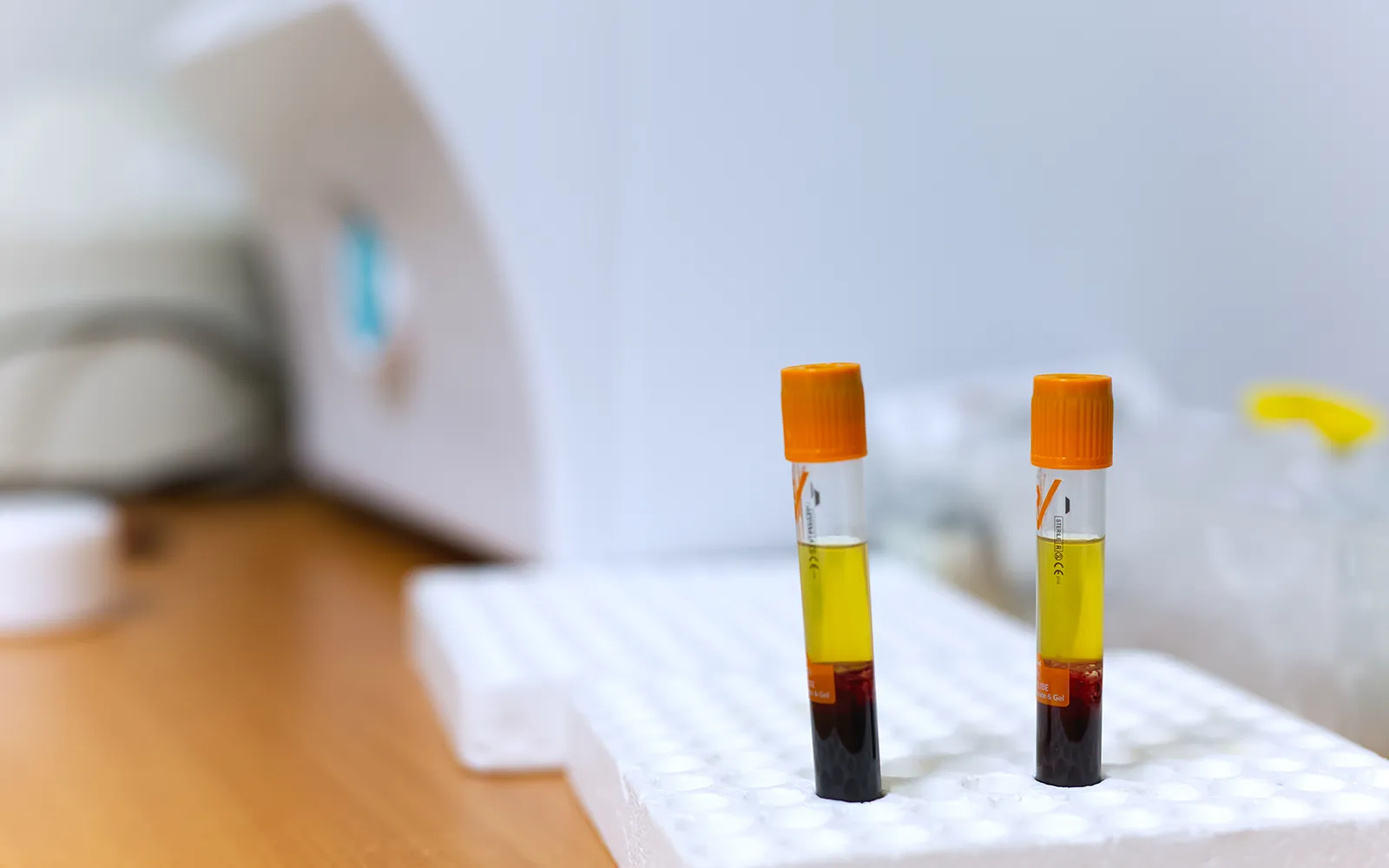
Platelet-rich plasma: This may be the most widely used form of RM today. For PRP, a patient provides a blood sample, which is spun to collect the platelets within a plasma medium at about five times the normal concentration. This is then injected into the target area. The platelets secrete cytokines and other chemicals that promote tissue growth, and—if all goes according to plan—the structure heals. This strategy can be used in isolated structures, like meniscus tears, or along with the implantation of bioengineered scaffolding to help repair larger areas, like the articular cartilage of the shoulder.
PRP is also anti-inflammatory, so it can be used to influence cells in areas where chronic inflammation has hindered the healing process.
Treatment with PRP can take longer than current medical interventions, but because this approach enlists the body’s own healing mechanisms, the results can be longer-lasting with a lower risk of complications.
Stem cells to treat cancer: As mentioned earlier, stem cells that can differentiate into different tissue types have been identified and isolated for decades. One use for isolated stem cells is in cancer treatment. The evolving ways stem cells have been used to treat various forms of cancer are many and varied—and beyond the scope of this article. However, this is a pioneering branch of RM and is part of the approach to using the body’s internal resources to repair, regenerate, and replace damaged cells and tissues.
Challenges in RM and What’s Next
RM is not quite ready to roll out beyond its currently limited uses. The FDA has not approved it except in limited cases, so at this point, its use is off-label (see “Off-Label Use” on page 75) and an out-of-pocket expense that puts it out of reach for many potential patients.
Further, while the risks for carefully applied RM are low, they are not zero. Serious adverse events have been documented, usually related to infection or inappropriate use.
More to the point, RM doesn’t always work. The injected cells may die, or the supportive material may not take. Many forms of RM, especially for orthopedic applications and nerve repair, may get better results with adjunctive support in the form of electrostimulation, ultrasound, and physical rehabilitation. We are still a long way from understanding best practices for this kind of therapy.
Research into RM proceeds with new discoveries and applications developing quickly. Within the next few years, we may see RM being used to control bleeding in hospitals or on battlefields, to rebuild damaged spinal cords, and to promote the regeneration of livers, pancreases, and kidneys—all built from the patient’s own cells so the risk of rejection is lower.
Where Does Massage Therapy Fit?
While RM isn’t a new phenomenon, its use so far has been so specified and limited that we haven’t had much opportunity to investigate whether massage therapy has a role to play in this context.
If you have the opportunity to work with a client who has been using regenerative medicine to deal with ongoing injuries . . . this would be a great time to consult with their health-care team to align your goals.
One study suggests massage might be helpful for someone who is in the process of rebuilding new muscle or tendon tissue, similarly to how electrostimulation or ultrasound can work with RM interventions to change the function of local cells.1 However, this remains entirely speculative, and we have virtually no data about this idea.
Amid all the speculation, many types of RM are currently in use. Most of them carry little risk in the way of adverse or severe side effects if they are used appropriately. Patients can often begin to return to their normal routines as soon as the soreness passes. This means a client undergoing PRP therapy for frozen shoulder, or someone who is working to heal old burn scars with bioengineered skin grafts, can probably receive massage when they have been cleared to do similar daily activities like applying lotion to the affected area or exercising and adding weight-bearing stress to bones and joints.
If you have the opportunity to work with a client who has been using RM to deal with ongoing injuries, and they are curious about whether massage therapy might help them, this would be a great time to consult with their health-care team to align your goals. Document what you find. The massage therapy world, focused as we are on musculoskeletal and orthopedic injuries, will likely be invited into the process of helping people who are undergoing these kinds of treatments, so the more information we can gather on what this looks like, the better.
RM is here to stay. And we seem to be finding new applications for the possibility of bioengineering cells or tissues to replace or rebuild what doesn’t work well in otherwise functioning human bodies. From growing new skin to growing new livers and even healing brain and spinal cord injuries, the possibilities for RM seem like something out of the most optimistic realms of science fiction. It won’t be fast, and many obstacles are still in the way, but this future field of health care holds immense promise.
Between 5 and 10 percent of those who are infected with COVID-19 may develop long COVID, a poorly understood, persistent, and sometimes serious syndrome that can lead to organ damage, chronic pain, and a much diminished quality of life.