Techniques that pin, twist, sling, and resist help clients engage with painful movement barriers by introducing novel stimuli that hold the brain’s attention.
Expressing a genuine interest in the client’s complaint is the first step to building trust between you and them. Knowing what information to delve into is part experience, part strategy.
Although there may be no way to completely relieve the existential pathos of aging and physical change, in our role as practitioners, we can be both companions and comforters to our clients who are experiencing physical and emotional loss.
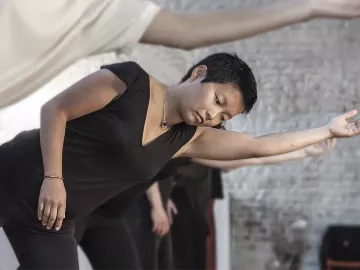
Rolf Movement Integration practitioners are trained to work with a person’s gravity response as the basis to evoke movement that is more effective and authentically expressive, uses less effort, minimizes counterproductive muscular contraction, and more.
By analyzing movement, you can determine where to focus your myofascial release on the held areas or your proprioceptive awareness work on the “forgotten” areas.
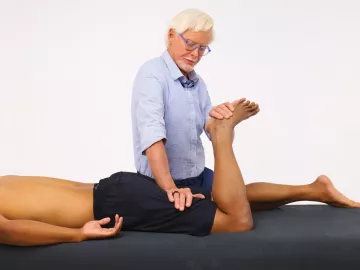
The beauty of applying the hill and valley approach to palpation of the hip flexor musculature is that the hip flexor muscles form an alternating contour of hill, valley, hill, valley, etc.
There are simple ways to help clients be more engaged, interested, and involved. Clients who know how to actively receive are great to work with and get even more out of their sessions.
It is easy to underestimate the personal impact of the switch from “alleviator” to “afflicted” when we’re dealing with our own injuries and physical challenges.
The sacroiliac joints (SIJs) move only slightly in the sagittal plane, but we can use this potential mobility to help with low-back, hip, gluteal, or pelvic pain, as well as pain or a feeling of stiffness in the SIJs themselves.