

Fascia: The Pericardium-Diaphragm Connection
Understanding how the pericardium relates to breathing can in turn help clients relax into their massage session.
The external oblique is a paired muscle located on the anterolateral trunk and is superficial to the internal oblique and lateral to the rectus abdominis.
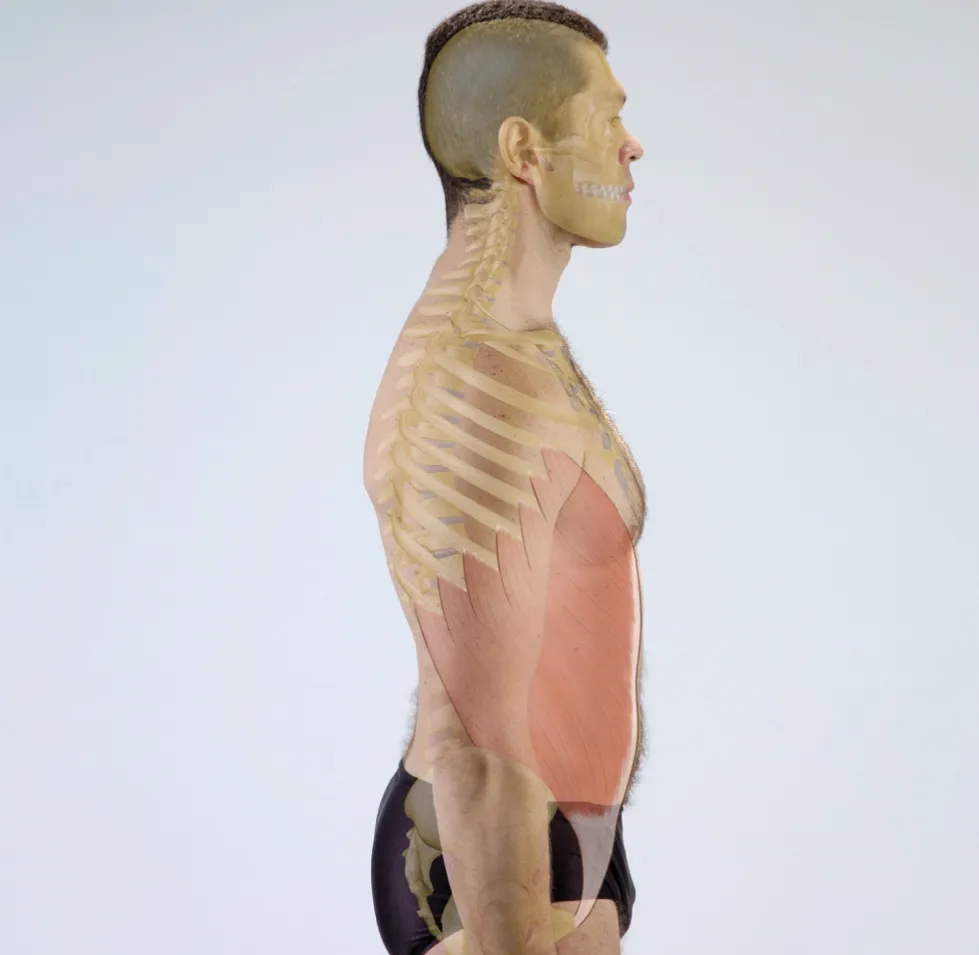
The muscle fibers run at an oblique angle from the lateral ribs anteriorly and inferiorly to the ilium, inguinal ligament, and linea alba. The origin of the external oblique interdigitates with the costal attachments of the serratus anterior and forms a distinct zigzag line on the lateral trunk, just below the armpit.
The external oblique is a thick, strong, prime mover muscle that works with the internal oblique and transverse abdominis to compress and protect the abdominal contents during forced exhalation. During movement, the right and left sides of the external and internal obliques work together in various combinations. Forward flexion is achieved when all four muscles (right and left external obliques and right and left internal obliques) are activated. Lateral flexion occurs with activation of the external and internal obliques on the same side. For rotation, the right external oblique teams up with the left internal oblique to turn the trunk to the left.
Conversely, the left external oblique works with the right internal oblique to turn the trunk to the right. As these motions occur, the transversospinalis muscles, located much deeper and attaching to the vertebral column, maintain vertebral alignment. The external obliques are active during large, powerful motions like swinging an axe, throwing overhand, or pushing with one or both hands.
Both excessive and inadequate activation of the external obliques can be problematic. If the deeper stabilizer muscles are underutilized or atrophied, the external obliques may become hypertonic and produce global "bracing" of the trunk during movement.
This often perpetuates vertebral stiffness and may lead to more serious chronic issues, such as intervertebral disk degeneration. Poor activation and associated muscle atrophy of the external obliques exacerbates postural deviations like anterior pelvic tilt and contributes to an overall lack of core strength.
Positioning: client supine.
Bilateral stretch: extension
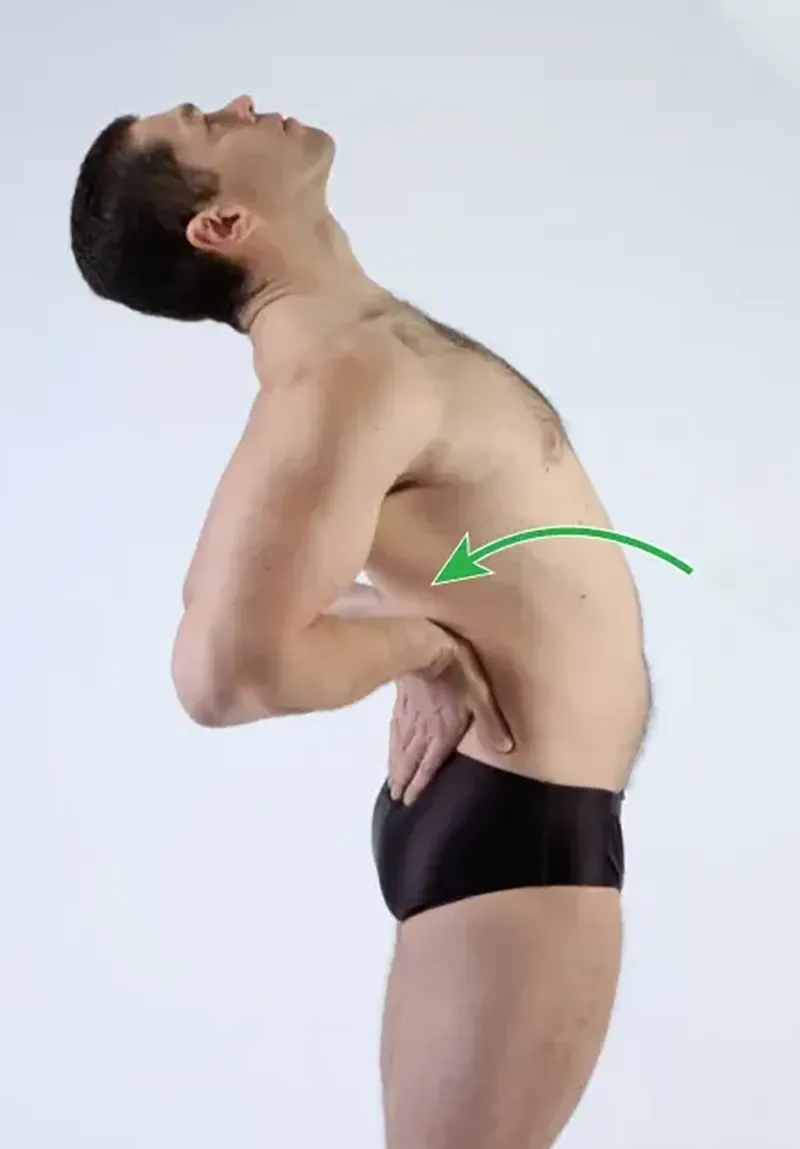
Unilateral stretch: lateral flexion
Editor's note: The Client Homework element in Functional Anatomy is intended as a take-home resource for clients experiencing issues with the profiled muscle. The stretches identified in Functional Anatomy should not be performed within massage sessions or progressed by massage therapists, in order to comply with state laws and maintain scope of practice.
Understanding how the pericardium relates to breathing can in turn help clients relax into their massage session.
Superficial fascia may not get the same attention as deep fascia, but it plays an extremely important role in the organization of tissues and the structure of the body.
Understanding tendons—their shapes, lengths, and organization—improves an MT’s touch vocabulary and facilitates a more skilled touch.
While the neck is a bridge, a pathway, the position of the neck and head can also indicate a multitude of other things happening beneath the surface.