During a history intake, do you look into your client's eyes when they're trying to tell you something? Or are you so busy writing down what they're saying that you give the impression you're not really listening? Maintaining eye contact displays interest and tells the client, "You are important, and I am actively listening." Implementing eye-contact techniques like eye gazing within your practice is one of the best investments you will ever make. In this column, I'll discuss the science behind the art of eye gazing and offer practical tips to enhance your hands-on work.
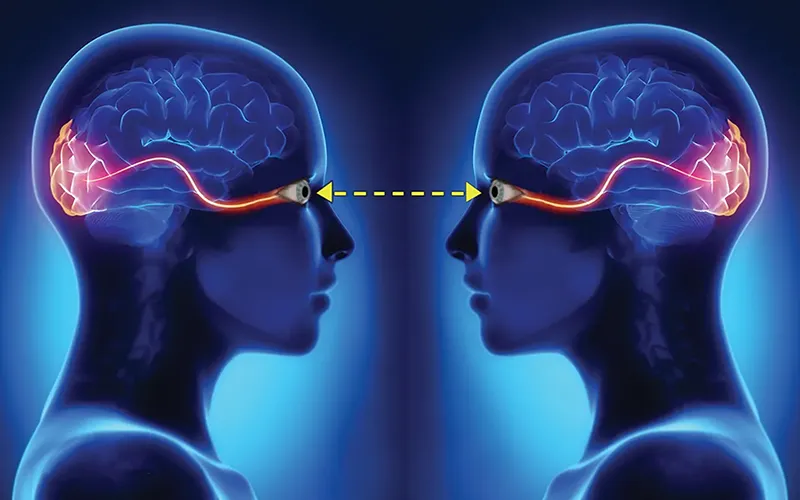
When performed in a safe and trusting environment, eye gazing creates a "neural duet" between the client's brain and the therapist's brain, due to reciprocal firing of social networking areas (Image 1). Sadly, eye contact appears to be falling by the wayside these days, both in our bodywork practices and in society in general. Technology may be bringing immeasurable benefits to humanity, but there are downsides as well, and reduced eye contact is one of them.
Image 1. Eye gazing creates a "neural duet" between the client's and therapist's brains.
William Shakespeare wrote "The eyes are the windows to the soul" and, indeed, modern neuroscience seems to support his claim. This is because our brains contain "mirror neurons" that are very sensitive to facial expressions and eye contact in particular. When a client is feeling an emotion, the same neurons that shine in their brain light up in our brain as we observe them. For example, when we see someone smile, our mirror neurons for smiling also fire, creating a sensation in our own mind of the feeling associated with smiling.
During a mirroring exchange, chemicals such as oxytocin and vasopressin are released, which help lower the physiologic stress response and even aid in wound healing.1 In a bodywork practice, this kind of client-therapist interaction can generate a positive feedback loop, where increased levels of oxytocin trigger an even greater desire for eye gazing. Over time, this leads to increased levels of empathy and trust. Moreover, this positive feedback loop stimulates the parasympathetic nervous system, causing it to decrease the client's perception of pain by reducing the release of stress-producing chemicals such as cortisol, and also quiets the brain's fear-centered amygdala, allowing the person to better deal with real and perceived threats. The scientific word for this is progressive desensitization.
"Easy 8" Eye-Contact Exercises
Bodywork assessment and treatment calls for sustained and concentrated observation, which can be enhanced through the conscious use of eye contact. Here are some practical eye-gazing tips I call the "Easy 8," which I picked up in psychology training. These confidence-boosting exercises have really helped me with my client communication skills.
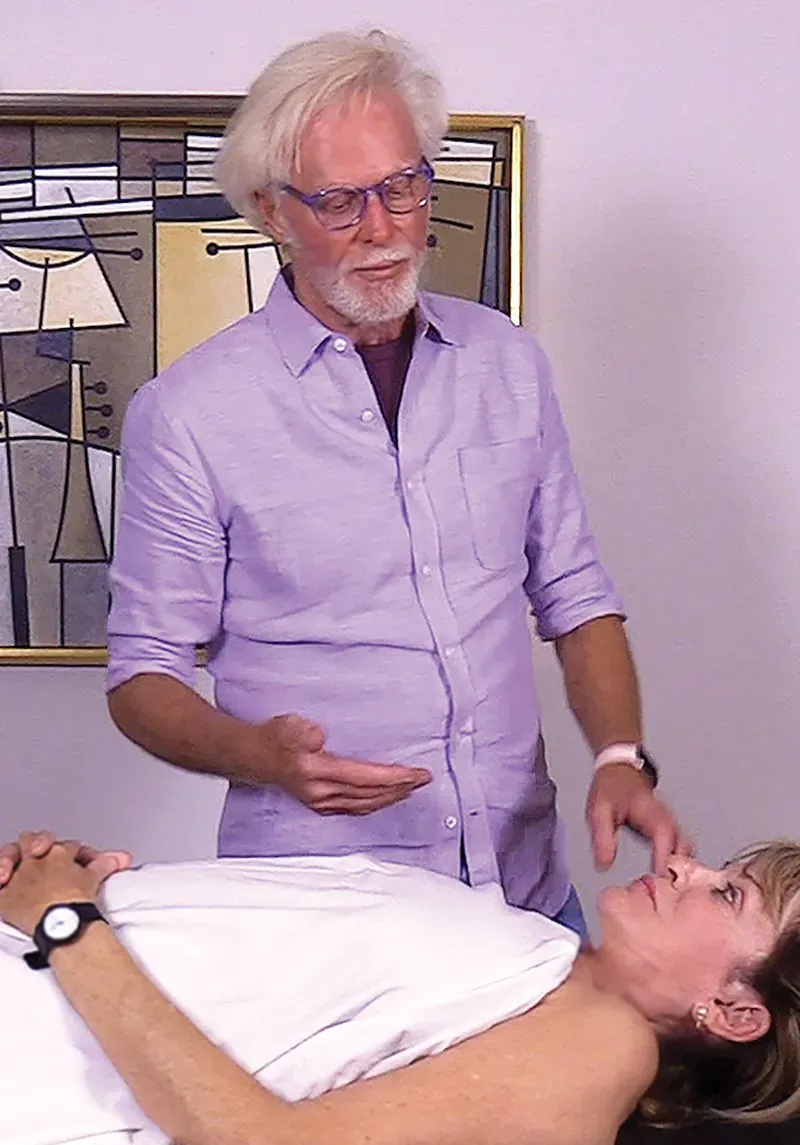
Image 2. Engage with the client verbally while practicing eye-gazing exercises.
Establish eye contact right away. Before you begin talking, focus on the client's eyes. Avoid looking down or glancing at something before you begin speaking.
Break eye contact every 4-5 seconds. After a few seconds, slowly glance to the side, then establish eye contact again. This prevents staring and avoids discomfort.
Try the 50/70 rule. Keep eye contact for about 50 percent of the time while speaking and 70 percent of the time while listening. This shows interest and projects confidence.
Use the triangle technique. Imagine an inverted triangle connecting the client's eyes and mouth. Every 5 seconds rotate your eyes to a different point on the triangle.
Make a gesture. If you begin to feel uneasy with the amount of eye contact, break your gaze by making a gesture, such as a nod, or use words and sounds like yes, uh-huh, and mmm. This is a great way to keep the client talking and show them you're interested in what they have to say.
Look away slowly to the side, not down. Try to refrain from darting your eyes, as this can make you appear shy or nervous. Remember to look from side to side, not down.
Listen with your eyes. Communication happens with your eyes while you're listening just as much as when you're talking. Remember to maintain eye contact and add a little smile to enhance the oxytocin.
Practice. Good eye contact may come easily to some but not others, so just keep practicing until you gain confidence. Try rehearsing in a mirror or even practice while watching TV.
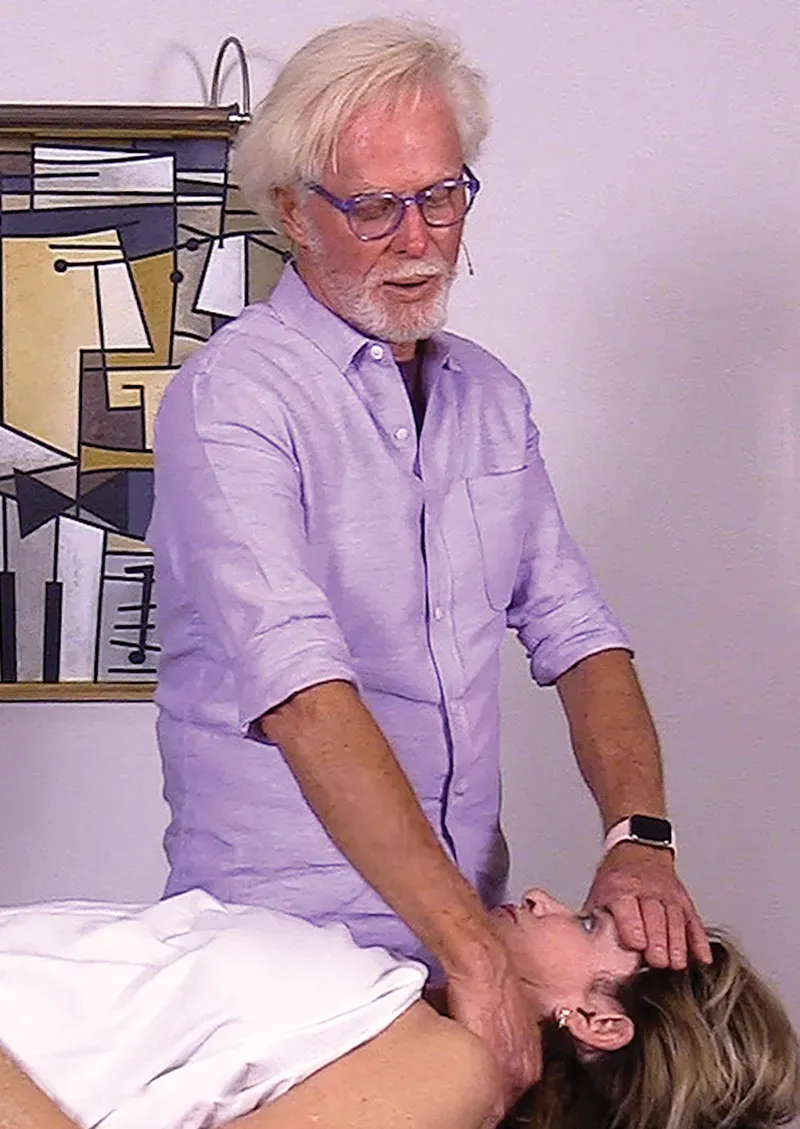
Image 3. The therapist performs relaxing neck massage techniques while practicing eye-gazing exercises.
To further embrace the therapeutic value of eye gazing, you can take these tips to the massage table. Try starting each bodywork session with the client in a supine position. Begin by connecting verbally, and then perform relaxing neck techniques (Images 2 and 3). Choose one or two of the "Easy 8" exercises, and as you're calmly talking, begin engaging the client's eyes while you work.
For many clients, massage therapy may be the only place where care, understanding, and nonjudgmental acceptance are reflected to them from the eyes of another person. As an added bonus for the bodyworker, honing your eye-contact skills is a great way to remember why working as a health-care provider is so meaningful.
Note
1. Kerstin Uvnas-Moberg and Maria Petersson, "Oxytocin: A Mediator of Anti-Stress, Well-Being, Social Interaction, Growth and Healing," Zeitschrift fur Psychosomatische Medizin und Psychotherapie 51, no. 1 (January 2005): 57-80, https://doi.org/10.13109/zptm.2005.51.1.57.
Context is powerful: Even light, mindful touch can significantly shift pain and proprioception, reminding us that how we work matters as much as what we do.